
Last updated November 15, 2026
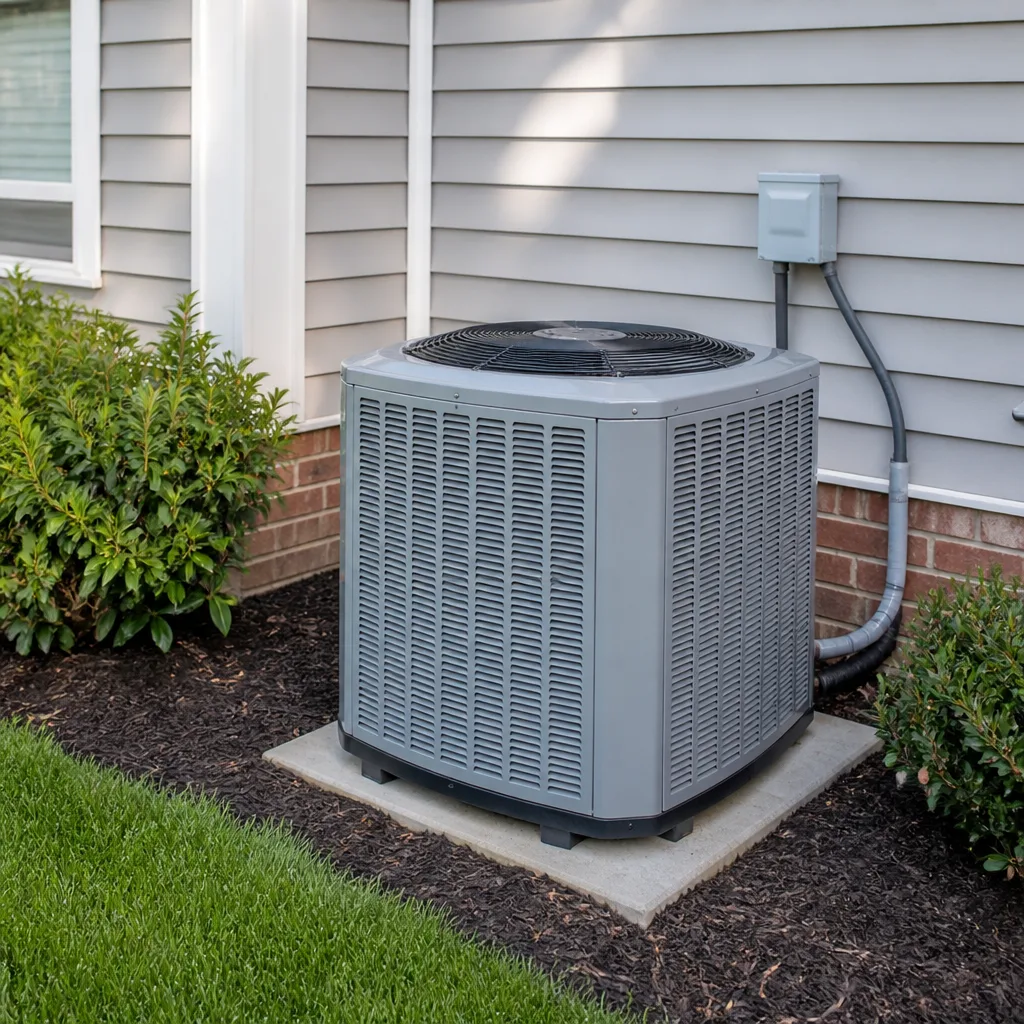 AC repair
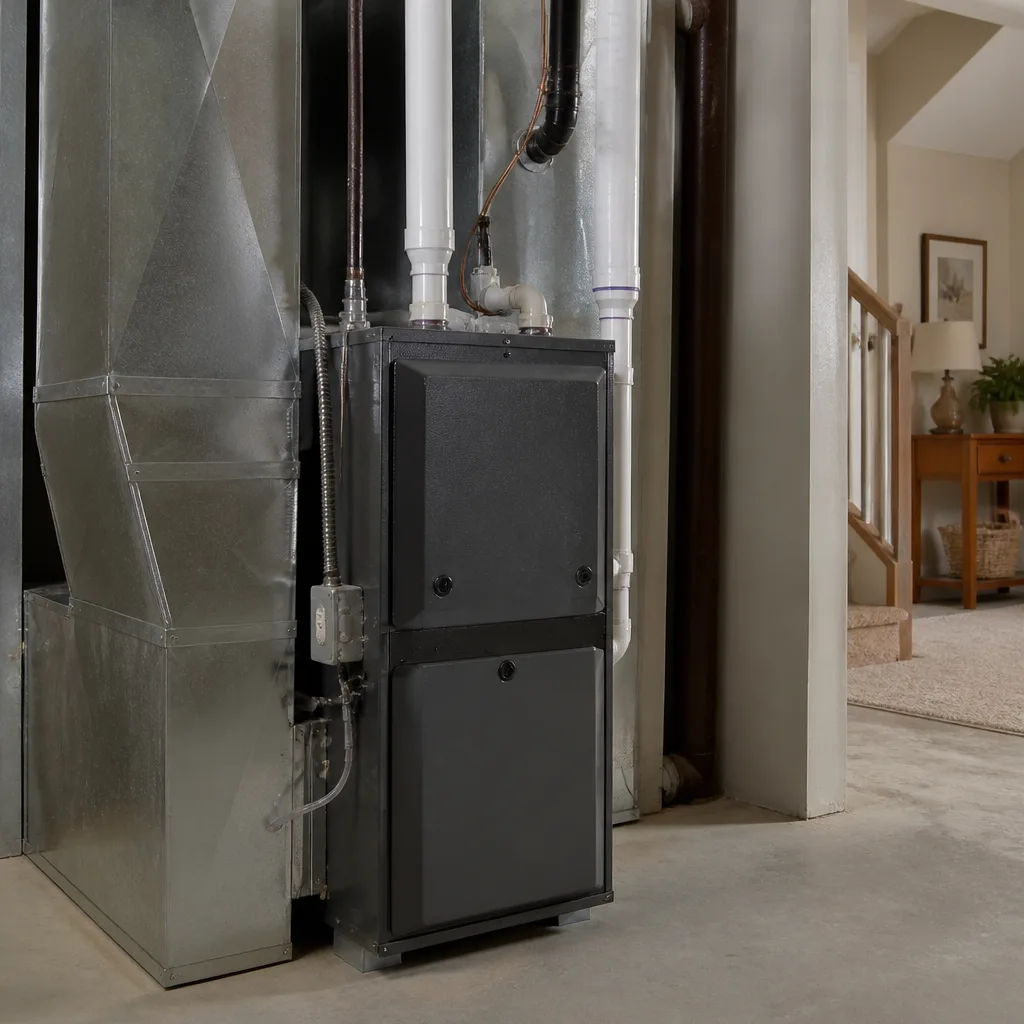 Furnace & heating
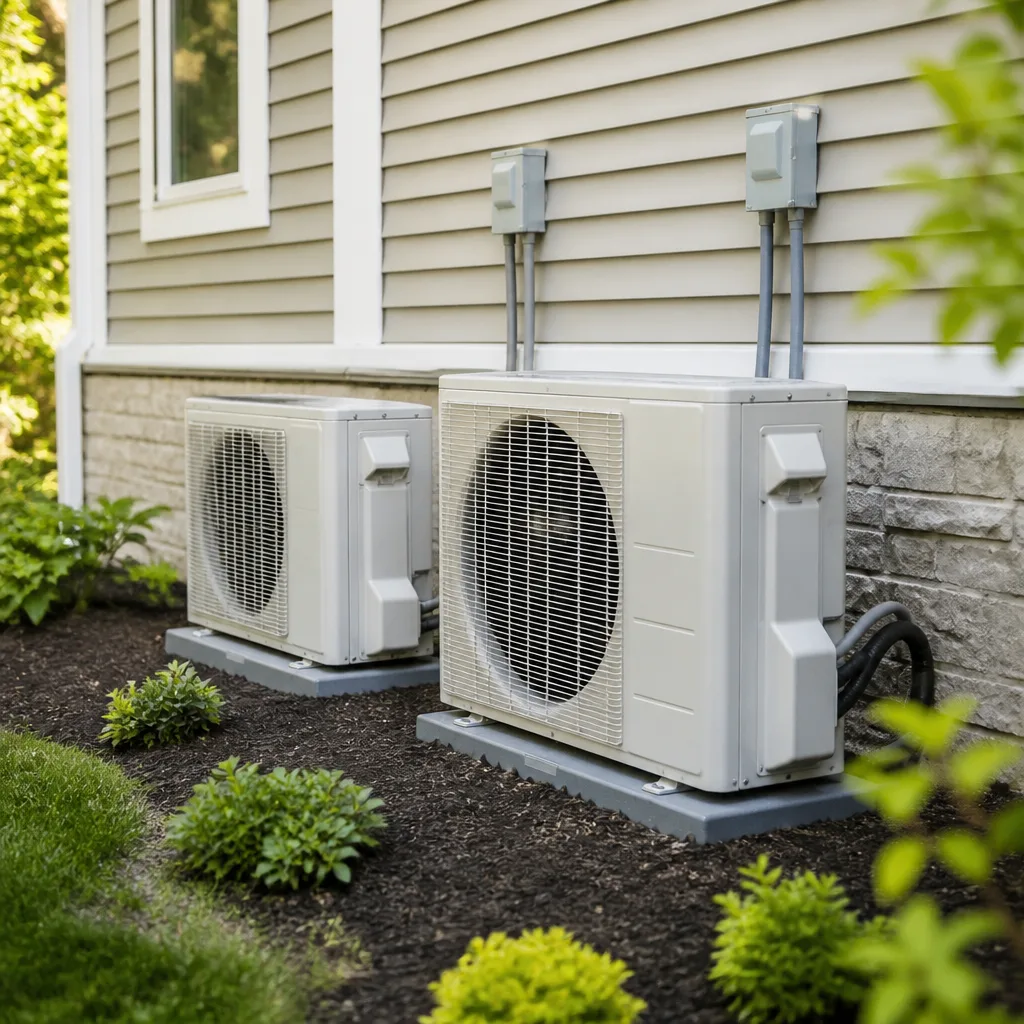 Heat pumps
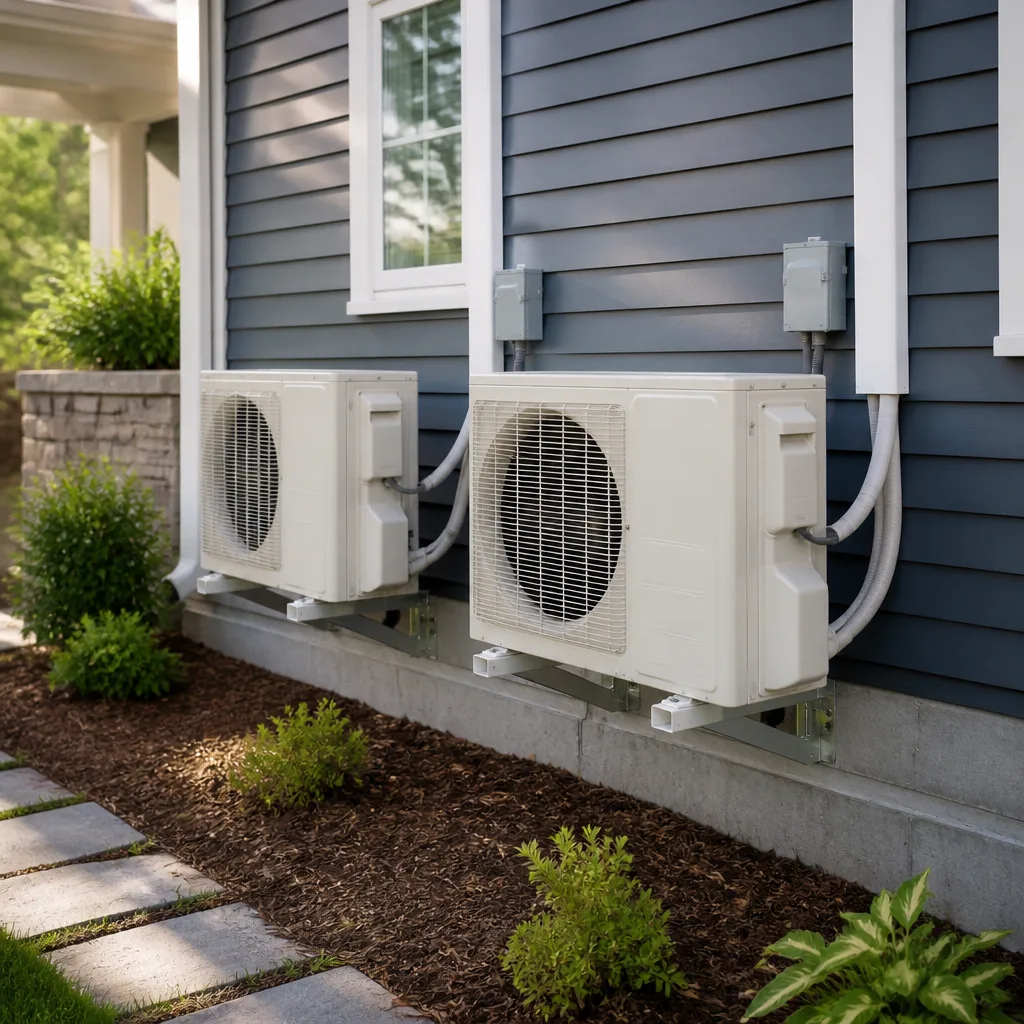 Ductless mini splits
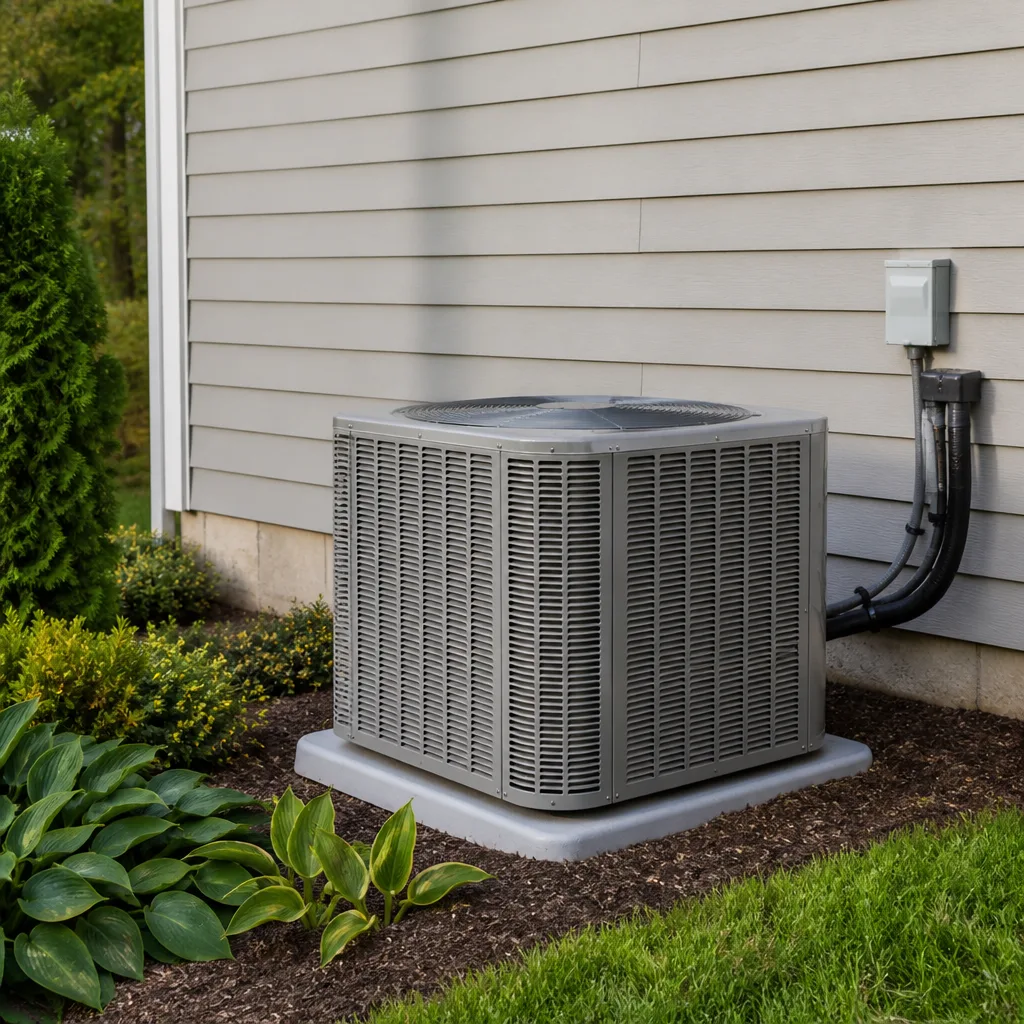 Carrier
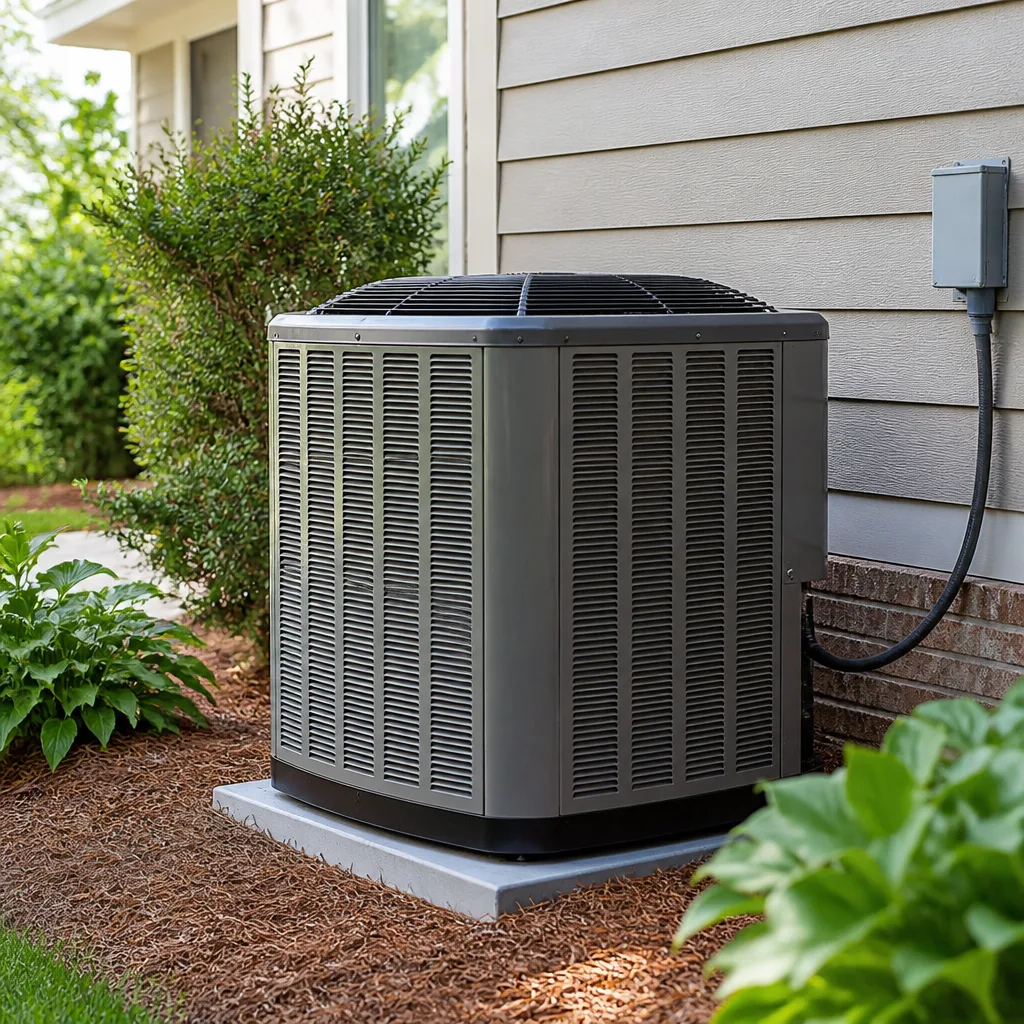 Trane
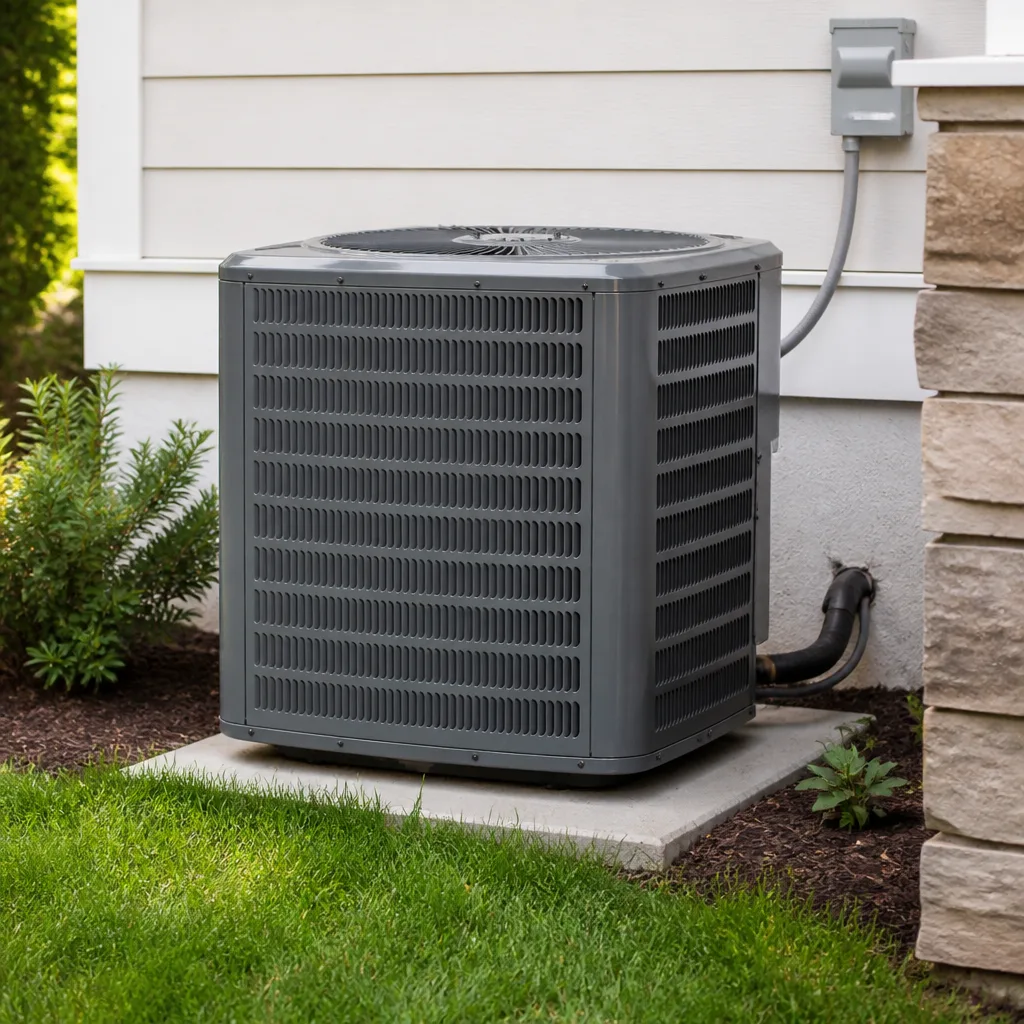 Goodman
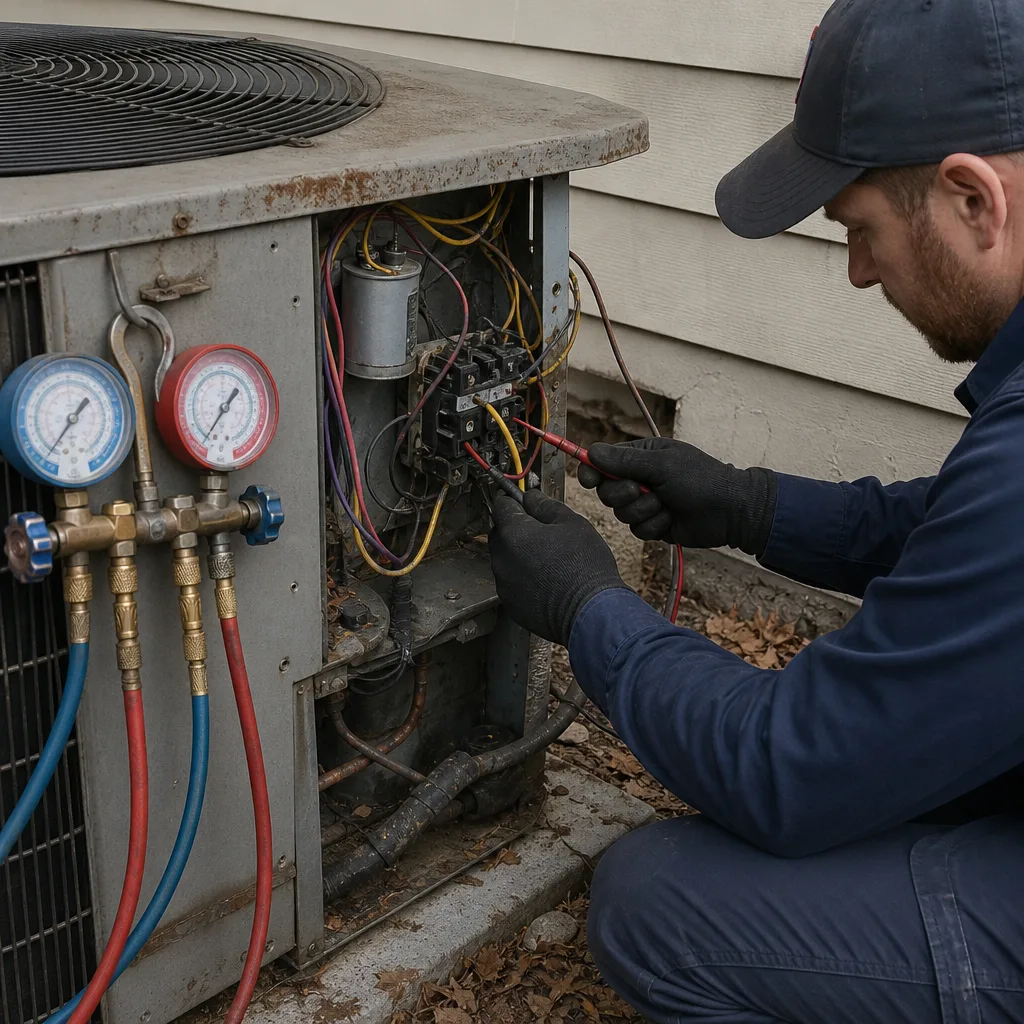
Seasonal tune-up and full diagnostic on your Carrier, Trane, or Goodman system - readings shown to you before any repair is proposed
Diagnosis first, numbers second - you approve the repair price before a single part goes in.
Get your free estimateDIY vs Professional HVAC: The Salt Lake City Homeowner’s Decision Guide
Replacing your own run capacitor costs about $15 in parts and 20 minutes of work, and it’s completely legal for a Utah homeowner to do. Recharging your own refrigerant is a federal violation, with penalties that can climb well past $40,000 per day. Most DIY guides never tell you where that line sits, and that gap is where Salt Lake City homeowners get hurt. This guide draws the line clearly: three buckets of HVAC work, the Utah rules that govern each, and the warranty terms hiding inside your equipment. You’ll learn what you can safely do yourself, what voids a manufacturer’s coverage the moment you open the panel, and what’s restricted by law no matter how handy you are.
Quick Answer
In Salt Lake City, homeowner DIY is safe and legal for about a dozen HVAC tasks, but it voids the manufacturer warranty on several of them and is flatly illegal for refrigerant handling, gas line work, and any installation covered by a permit. The dividing line isn’t your skill level. It’s federal EPA rules on refrigerants, Utah licensing law under Title 58, and the professional-installation registration clauses that most major brands tuck into their extended coverage. A homeowner can legally change a filter, a thermostat, or even a capacitor. A homeowner cannot legally recharge the system, touch the gas piping, or install a replacement without a permit and a licensed mechanical contractor.
Styles & brands we work with
- AC repair
- Furnace & heating
- Heat pumps
- Ductless mini splits
- Carrier
- Trane
- Goodman
Table of Contents
- The Three Buckets: What You Can Do, What Voids Coverage, What’s Illegal
- What Utah Law Actually Says About DIY HVAC Work
- Which Brands Enforce Warranty Clauses Strictest
- The Real Cost When a DIY Repair Goes Wrong
- What to Document If You Do It Yourself
- Why Salt Lake City’s Climate Changes the Math
- Repair vs Replace: The Decision You Should Not Make Alone
The Three Buckets: What You Can Do, What Voids Coverage, What’s Illegal
Start here. Every DIY HVAC task falls into one of three categories, and the category depends on the equipment involved, not on how confident you feel on a ladder.
Bucket 1: Homeowner-Legal and Warranty-Safe
These tasks don’t touch refrigerant, gas, or the sealed components the manufacturer covers. You can do them without worry, and doing them on schedule extends the life of your system.
- Changing the air filter (every 1-3 months in Salt Lake City’s dusty valley air)
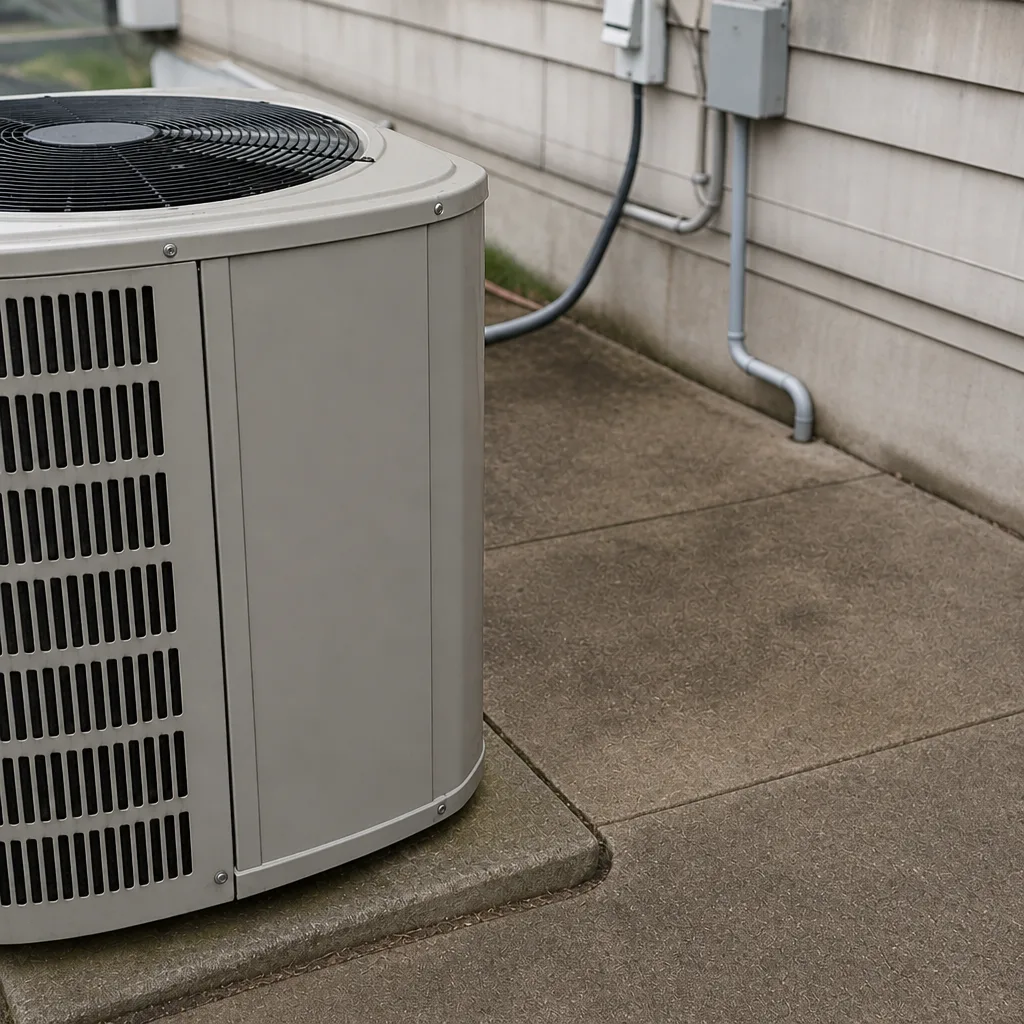
- Cleaning the outdoor condenser coils with a garden hose
- Keeping the outdoor unit clear of debris, leaves, and snow
- Straightening bent fins on the condenser with a fin comb
- Replacing a thermostat with a compatible model
- Clearing the condensate drain line with a wet-dry vac
- Checking and resetting a tripped breaker at the panel
- Replacing a furnace filter
Bucket 2: Homeowner-Legal but Warranty-Voiding
You can physically do these, and no law stops you. But most manufacturers treat them as evidence of unqualified tampering and will deny a claim on the whole system if a failure traces back to the work.
- Replacing a run capacitor or contactor
- Replacing a blower motor
- Swapping an igniter or flame sensor in a furnace
- Replacing a compressor (legal for a homeowner, but very few ever try)
- Opening the sealed refrigerant circuit for any reason
- Installing a replacement system without a permit
Bucket 3: Legally Restricted
These aren’t gray areas. They’re restricted by federal or state law, and no amount of YouTube research puts them in your hands.
- Refrigerant handling. The EPA’s Section 608 rules require certification to purchase, handle, or recharge refrigerant. Penalties can run up to $44,539 per day for violations.
- Gas line work. Running or modifying gas piping requires a licensed contractor and usually a permit. A leak is a fire and carbon monoxide risk, not a DIY project.
- Permitted installations. Any replacement of an AC condensing unit, furnace, or air handler in Salt Lake City pulls a mechanical permit through the city’s building department. Permits are issued to licensed mechanical contractors.
The takeaway: Bucket 1 is yours. Bucket 2 is a gamble on your warranty. Bucket 3 belongs to someone with a license. If you’re unsure where a task lands, call (855) 473-8712 and we’ll tell you straight.
What Utah Law Actually Says About DIY HVAC Work
Utah Code Title 58 governs the licensing of contractors and trades, and the Division of Occupational and Professional Licensing (DOPL) enforces it. Mechanical work, which includes HVAC installation, repair, and modification, is a licensed trade. Here’s how the law works in plain language, and where homeowners fit in.
The Homeowner Exemption
Utah allows a homeowner to work on their own primary residence without a contractor’s license, as long as the work is done by the homeowner themselves, for their own use, and not for compensation. That exemption covers a lot of small repairs. It does not cover:
- Any work that requires a permit the homeowner cannot legally pull
- Refrigerant work restricted by federal law
- Gas line modifications
- Work performed on a rental property, a second home, or a property being flipped for sale
What DOPL Enforces
If you hire someone who is not licensed and they perform mechanical work, you have limited recourse when things go wrong. A DOPL complaint only works against a licensed contractor. An unlicensed operator can disappear, and the homeowner is left with the repair, the damage, and no pathway to recovery. In Salt Lake City, our advice is simple: if you’re hiring someone, verify their license through DOPL before they touch a wrench. The Lockhart AC Repair team is licensed and insured, and we’re happy to point you toward the verification tool if you’ve got someone else’s bid in hand.
Permits and Inspections
Replacing a furnace or air conditioner in Salt Lake City requires a mechanical permit, and the installation gets inspected. That inspection protects you at resale. A buyer’s home inspector will flag an unpermitted mechanical installation, and an insurance adjuster may decline a claim on work done without permits. When we handle AC installation or a furnace replacement, the permit and inspection are part of the job, and we schedule the inspection so you’re never chasing paperwork.
The Practical Reading
Utah is not a state that punishes the handy homeowner. It’s a state that draws a clear line around anything that touches refrigerant, gas, or a permit. If your task lives in one of those three categories, put the tools down and call someone. The cost of doing it right is almost always less than the cost of doing it wrong.
Which Brands Enforce Warranty Clauses Strictest
Here’s the part most DIY guides skip entirely: your manufacturer’s warranty is a contract, and it has terms that survive your weekend project. Several of the nine major brands we service are stricter than the rest. Two stand out.
Trane and Carrier
Both require professional installation by a licensed contractor for the extended warranty to apply. The standard parts warranty may still cover a component that fails independently of your work, but the moment a manufacturer sees evidence of unqualified intervention, the claim gets denied. On a system with a ten-year parts warranty, that’s real money. Both brands also tie their extended coverage to installation registration, and only a licensed contractor can complete that registration. If your system is still under warranty and you’re considering a DIY repair, check the terms first. In our experience, the risk is rarely worth it.
Lennox, Bryant, and American Standard
These brands use similar language. American Standard and its sibling Trane share many internal policies; Bryant is a Carrier brand family member with parallel rules. The pattern is consistent across the major names: unqualified or nonprofessional work on the sealed system voids coverage. Even if the brand is not on the strict list, this is the safest assumption.
Goodman, Rheem, York, and Daikin
These brands sometimes take a more forgiving view of consumer-installed parts if the failure is unrelated to the part you touched. That’s not a reason to gamble. It’s a reason to read your specific warranty document, which is the only thing that actually controls your coverage. Our technicians work on all four of these brands plus the five above, so if you’re unsure what your coverage says, we can help you interpret it. Whatever brand is in your home, we know it.
What “Professional Installation” Actually Means
It isn’t a marketing phrase. It means the installation was done by a licensed mechanical contractor who pulled the permit, completed the registration, and followed the manufacturer’s spec for the refrigerant charge, airflow, and line set. A homeowner-installed system, even one that runs fine, may have no warranty coverage at all on the compressor or coil. That’s a cost hidden in plain sight until the day it fails.
The Real Cost When a DIY Repair Goes Wrong
Consider the smallest task on the list. A run capacitor costs about $15 and takes 20 minutes to replace. But when a capacitor fails, it often masks a deeper problem. A compressor that’s been short-cycling, a contactor that’s pitted and burning, a fan motor drawing too many amps. If you swap the capacitor and the system starts up again, you’ve fixed the symptom and buried the cause. Two months later, the compressor burns out. A $15 repair turned into a compressor replacement that can run well past $1,800 in this market.
Where DIY Goes Wrong Most Often
- Misdiagnosis. The part that failed is often not the part that caused the failure. Replacing what’s broken without testing why it broke is how small repairs become big ones.
- Wrong part. Capacitors have microfarad and voltage ratings that must match. An undersized or oversized capacitor stresses the motor. A wrong-rated igniter can cause an immediate failure, or worse.
- Refrigerant loss during a part swap. A homeowner who opens the sealed system, even accidentally, has created an EPA violation and voided the warranty, and now needs a licensed technician to recover, evacuate, and recharge.
- Electrical code issues. A wire that’s loose, undersized, or not properly grounded at the disconnect is a fire risk. In our experience, this is the most common shortcut in DIY HVAC work.
- Furnace heat exchanger mistakes. A cracked heat exchanger is a carbon monoxide hazard. Any DIY work near the combustion side of a furnace should stop the moment you see something that looks wrong. That’s a job for a trained technician, period.
The Cost Math
A professional diagnosis and repair on a capacitor-style fault typically lands in a range that’s a fraction of a compressor replacement. The honest calculation for a Salt Lake City homeowner is this: if the repair is worth doing, it’s worth having it diagnosed before you swap parts. If it’s not worth diagnosing, it’s worth replacing, and you can have that conversation once instead of after the third guess. Call (855) 473-8712 for a free estimate and we’ll tell you which path makes sense.
What to Document If You Do It Yourself
Suppose you’ve decided to handle a permitted piece of work yourself, or you’ve done a Bucket 2 repair and want to protect yourself at resale. Documentation is the difference between a fast sale and a stalled inspection. Here’s what to keep.
- The permit number and the final inspection sticker. Photograph the sticker and store the permit number in your closing file. This is the single most valuable record you can have.
- Photo records of every stage. Before, during, and after shots. Serial numbers on the old and new equipment. The model plate on the air handler and the outdoor unit.
- Test results from the final inspection. Static pressure, temperature rise for a furnace, refrigerant subcooling for an AC, and the charge verification if applicable. Keep the technician’s or inspector’s sheet.
- Receipts for every part. Serialized parts with receipts close the loop on warranty claims.
- A dated log of service. Filter changes, coil cleanings, and any diagnostic work you or a technician performed. It’s simple, and it demonstrates care to a buyer.
Why This Matters at Resale
Salt Lake City’s housing market moves. A buyer’s home inspector will look at the furnace and AC data plates, note the installation date, and ask for permits. If you can produce the permit number, the inspection report, and the equipment serials, the conversation ends there. If you can’t, the buyer asks for a credit, the sale gets delayed, or the deal goes sideways. The same records protect you with an insurance adjuster after a fire or flood that’s traced to the mechanical system.
Why Salt Lake City’s Climate Changes the Math
Salt Lake City sits in a high desert valley with strong seasonal swings: hot, dry summers and cold, snowy winters. The Wasatch Front’s air inversions trap cold air and pollution in the valley during winter, and the summer heat rises sharply on the east bench and in the Avenues. Both seasons stress equipment in ways you don’t see in coastal or mild-climate markets.
Summer Load
The valley regularly sees stretches of 100°F-plus heat, and equipment runs long cycles to keep up. A system that’s slightly undercharged or slightly overcharged will fail faster here than it would in a milder climate. That’s one reason refrigerant charge verification isn’t a luxury; it’s the difference between a compressor that lasts and one that doesn’t. If you’ve done a DIY part swap that touched anything electrical, have a technician verify the fan motor amps and static pressure before the heat hits. The Salt Lake City summer doesn’t give you a second chance on a marginal system.
Winter Load
Furnaces in Salt Lake City run long, hard hours from November through March, and the valley’s cold-air pooling means equipment near the floor or in a cold basement has to work a little harder. A furnace that has a cracked heat exchanger or a dirty flame sensor is not something you want to discover in January. We treat any concern about the combustion side of a furnace as urgent, and we’d encourage you to do the same.
Dust and Coils
The valley’s spring dust and cottonwood season clog condenser coils faster than most homeowners expect. Cleaning the outdoor coil once a month during the spring and early summer is a ten-minute task that belongs on your DIY list. It’s also the cheapest efficiency improvement you can make.
Repair vs Replace: The Decision You Should Not Make Alone
This is where the DIY-versus-professional question gets the most expensive. Replacing a part is a small decision. Replacing a system is a large one, and it’s the one most homeowners are least equipped to make without help. Our team handles both furnace repair and furnace replacement, plus AC installation and repair, so our advice isn’t tied to which side of the decision we get paid on. Repair or replace? We’ll tell you the truth.
How to Tell You’re at the Replace Point
We look at a handful of factors, and we encourage homeowners to think them through the same way.
- Age of the equipment. Furnaces and ACs have expected service lives, and once you’re past that window, efficiency losses and repair frequency start stacking up.
- Repair cost relative to replacement. If a single repair costs a large fraction of a new system, replacement is usually the better long-term move, even though it’s a bigger check today.
- Refrigerant type. Some older systems use refrigerants that are being phased out of production, and the cost of a recharge can climb as supply shrinks.
- Comfort and efficiency. A system that can’t keep up in July or January, even after repair, is telling you something.
- Warranty status. A system that’s near the end of its parts warranty is a different calculation than one still covered for years.
The Salt Lake City Market View
In this valley, cooling capacity matters more than it does in many markets, and a house that was fine at design conditions ten years ago may not be fine now. If you’re weighing a replacement, ask for a load calculation, not just a like-for-like swap. A properly sized system runs shorter cycles, lasts longer, and handles the valley’s heat better. We install systems from all nine of the major brands we service, so the recommendation you get is based on your home and your budget, not on a manufacturer relationship.
Common Mistakes to Avoid
- Opening the refrigerant circuit. Even a small accidental release is a federal violation, and the cost of recovery and recharge lands on you. If a refrigerant line needs to come apart, call someone.
- Replacing a capacitor without testing anything else. It’s the most common DIY mistake we see. A new capacitor on a failing compressor is the setup for a much larger bill.
- Pulling a permit you aren’t licensed to pull. In Salt Lake City, mechanical permits are issued to licensed contractors. Homeowners who try to route around that end up with an unpermitted installation that bites them at resale.
- Assuming your brand warranty will cover a DIY part. Trane, Carrier, Lennox, and Bryant are among the strictest. Read the terms, or ask someone who knows them.
- Ignoring a cracked heat exchanger. If you see cracks, soot, or flame roll-out near the burners, stop and call a professional. That’s a carbon monoxide risk, not a DIY job.
- Letting dust build up on the outdoor coil. Spring and early summer in the valley clog coils fast. Ten minutes with a hose saves real money on efficiency.
- Skipping the documentation. No permit number, no photos, no receipts means no proof of work at sale time. Keep records from day one.
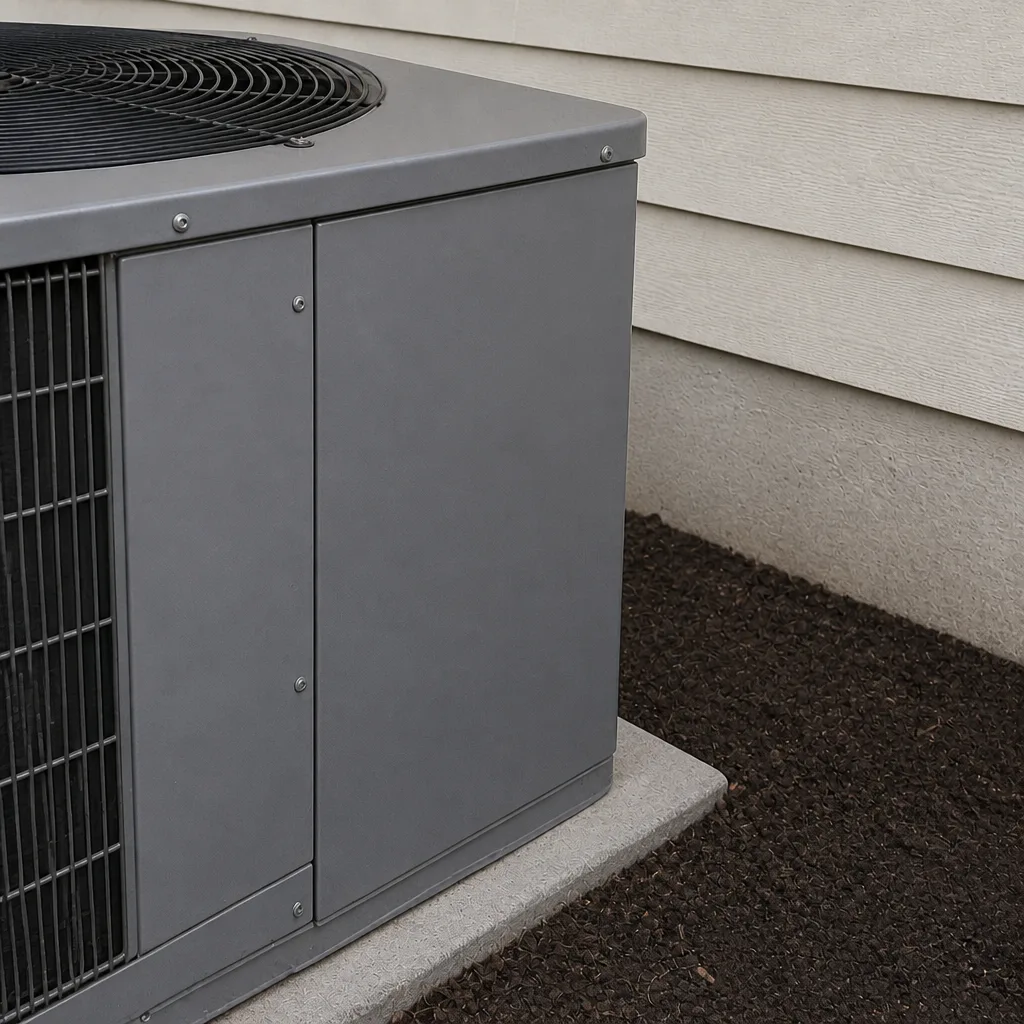
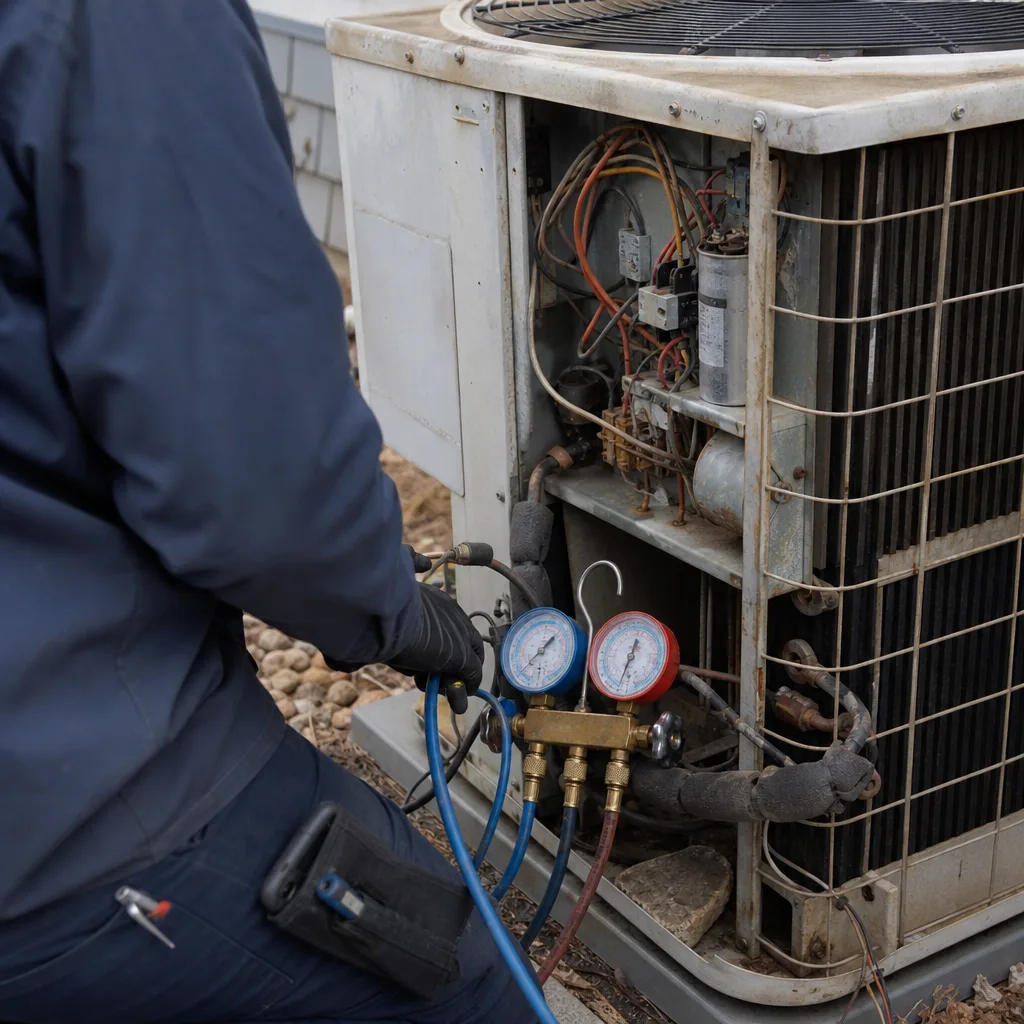
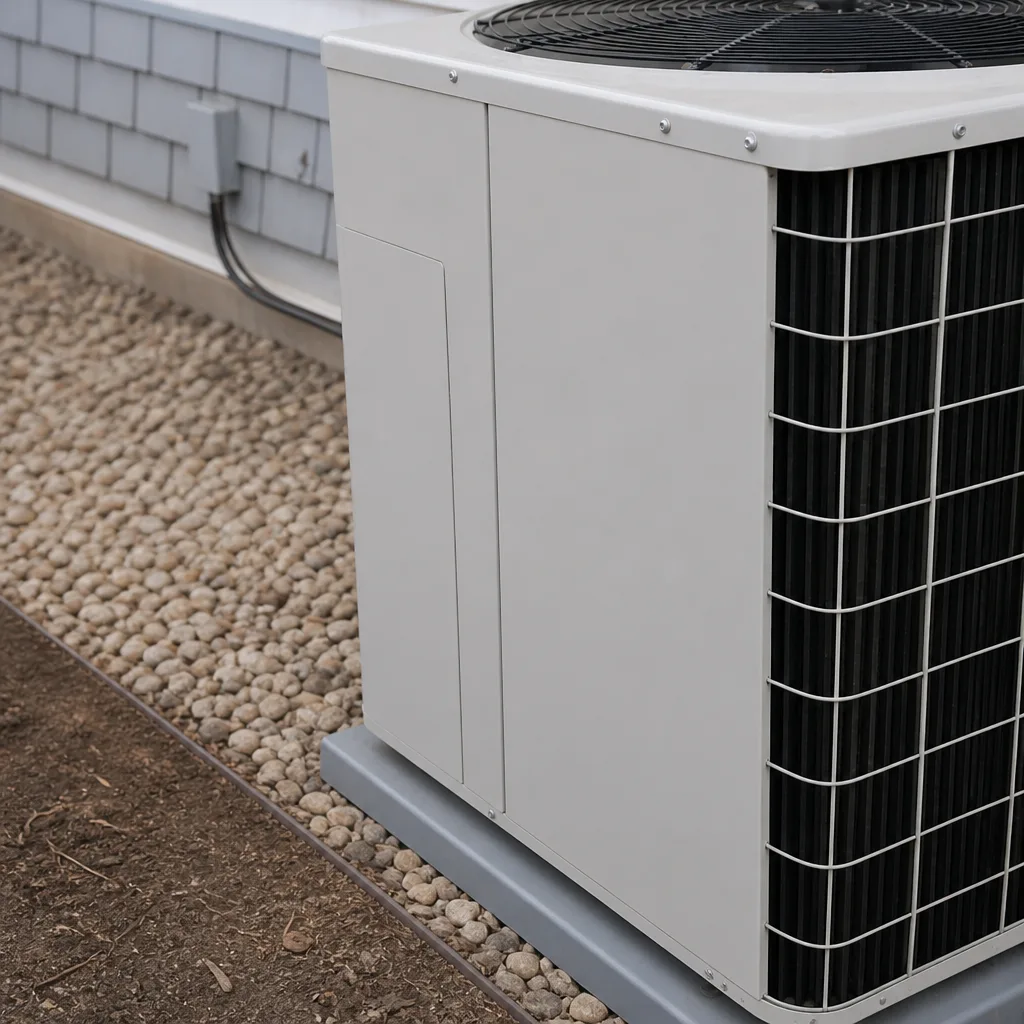
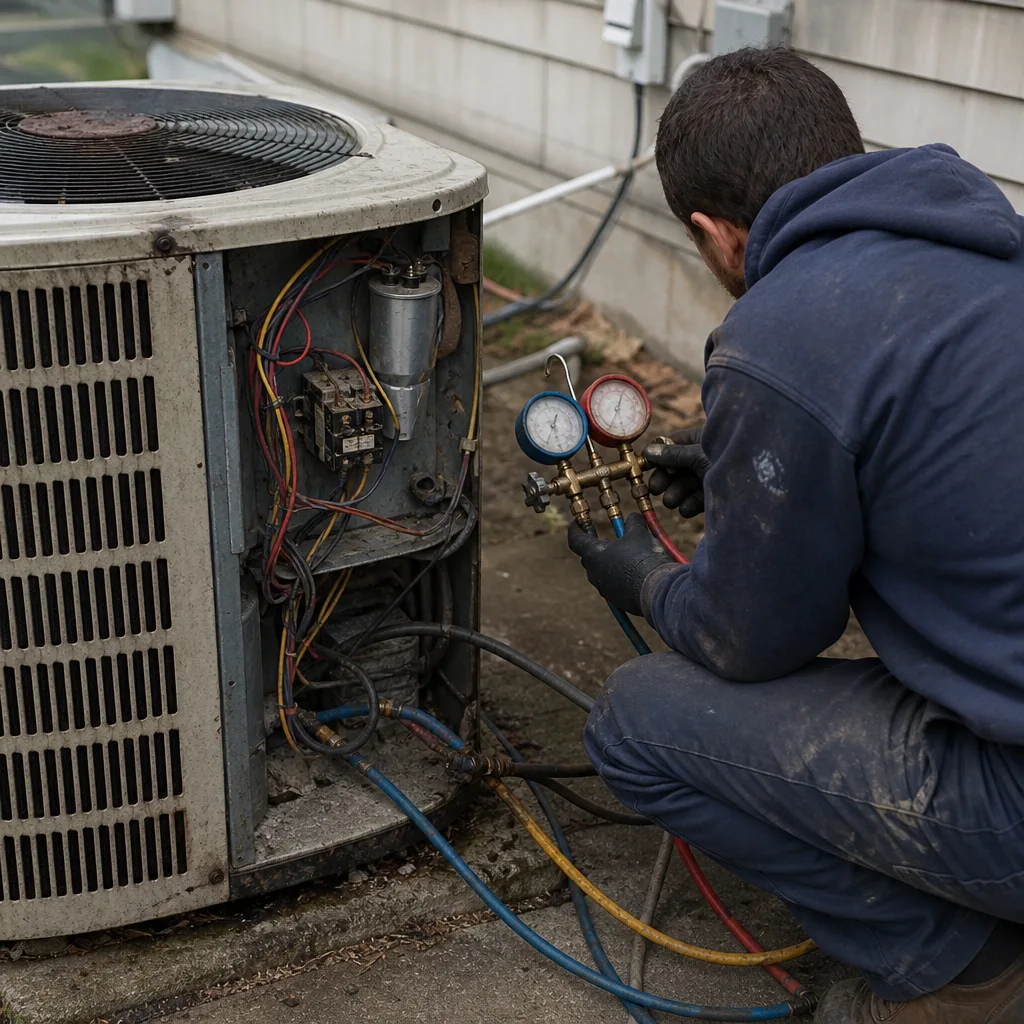
See the difference
 Before
 After
 Before
 After
 Before
 After
When to Call a Professional
Call us when the task lives in Bucket 3 (refrigerant, gas, permits), when you’re not certain what’s actually wrong, or when a repair is going to touch the sealed system, the combustion side of a furnace, or the electrical panel. Call us when a system is still under warranty and you’re not sure how the manufacturer will read the repair. Call us when you’re at the repair-or-replace decision, and you’d like a load calculation instead of a guess. Call us when a furnace is making a sound you don’t recognize, or when an AC isn’t keeping up on a hot salt-lake summer afternoon. Lockhart AC Repair offers free estimates in Salt Lake City. Call (855) 473-8712. We answer 24/7. Fast dispatch from 7am to 7pm, Sunday through Friday.
Frequently Asked Questions
No. Federal EPA Section 608 rules require certification to handle refrigerant, and homeowners are not certified. Violations can carry penalties up to $44,539 per day. Call (855) 473-8712 and we’ll schedule a certified technician for the recharge. Estimates are free.
Often, yes. Trane and Carrier require professional installation and registration for the extended warranty, and most major brands treat unqualified work on the sealed system as warranty-voiding. American Standard and Bryant use similar language. Read your warranty document, then call (855) 473-8712 if you want help interpreting it.
Yes. Furnace and AC replacements require a mechanical permit through the city, and the work is inspected. Permits are issued to licensed mechanical contractors. Call (855) 473-8712 and we’ll handle the permit and inspection as part of the job.
Filter changes, condenser coil cleaning, and thermostat swaps are all safe, legal, and warranty-safe. None of them touches refrigerant, gas, or the sealed system. Keep a log, and call (855) 473-8712 when a task moves outside that list. Estimates are free.
You can legally install equipment on your own home in Utah, but the manufacturer’s warranty may not apply, and the installation is unpermitted, which creates resale and insurance problems. The manufacturer registration most brands require can only be completed by a licensed contractor. Call (855) 473-8712 before you buy a unit.
Keep the permit number, the final inspection sticker, photos of every stage, equipment serial and model numbers, receipts for every part, and any test results (static pressure, temperature rise, refrigerant subcooling). All of it protects your resale value and your insurance claim. If you’re unsure what’s needed, call (855) 473-8712.
Check the data plate on the outdoor unit and air handler for the model and serial numbers, then look up the registration with the manufacturer or ask the contractor who installed it. If you can’t find it, call (855) 473-8712 and we’ll help you identify the equipment. Estimates are free.
Sometimes, and the failure mode is misdiagnosis. A short-sighted part swap can mask a compressor problem and turn a small repair into a large one. The safest approach is a professional diagnosis first, even if you plan to do the repair yourself. Call (855) 473-8712 for a free estimate.
The Bottom Line
DIY HVAC work in Salt Lake City isn’t about skill. It’s about three lines you should not cross: refrigerant handling, gas line work, and permitted installations. Those belong to licensed professionals, and no amount of research changes that. Everything else is a judgment call about your warranty, your time, and the chance of a misdiagnosis that turns a $15 part into a much larger repair. Our advice is simple: keep the filter, coil, and thermostat work yourself. Call a pro for anything electrical, sealed-system, or combustion-related. If you’re at the repair-or-replace line, get a load calculation and an honest opinion from someone who isn’t paid on the outcome. One call covers your furnace and your AC. Nine brands. One team. We service the system you have, not the one we prefer to sell.
Call (855) 473-8712 for a free estimate. We answer 24/7. Fast dispatch from 7am to 7pm, Sunday through Friday. Lockhart AC Repair serves homeowners across Salt Lake City with AC installation, furnace repair, and furnace replacement on all nine major brands: Carrier, Trane, Lennox, Goodman, Rheem, York, Daikin, Bryant, and American Standard. Our technicians have up to 15 years of experience and are licensed and insured. If you’re weighing a DIY repair against a professional diagnosis, call us first.
Written by the team at Lockhart AC Repair.