
Last updated November 15, 2026
 AC repair
 Furnace & heating
 Heat pumps
 Ductless mini splits
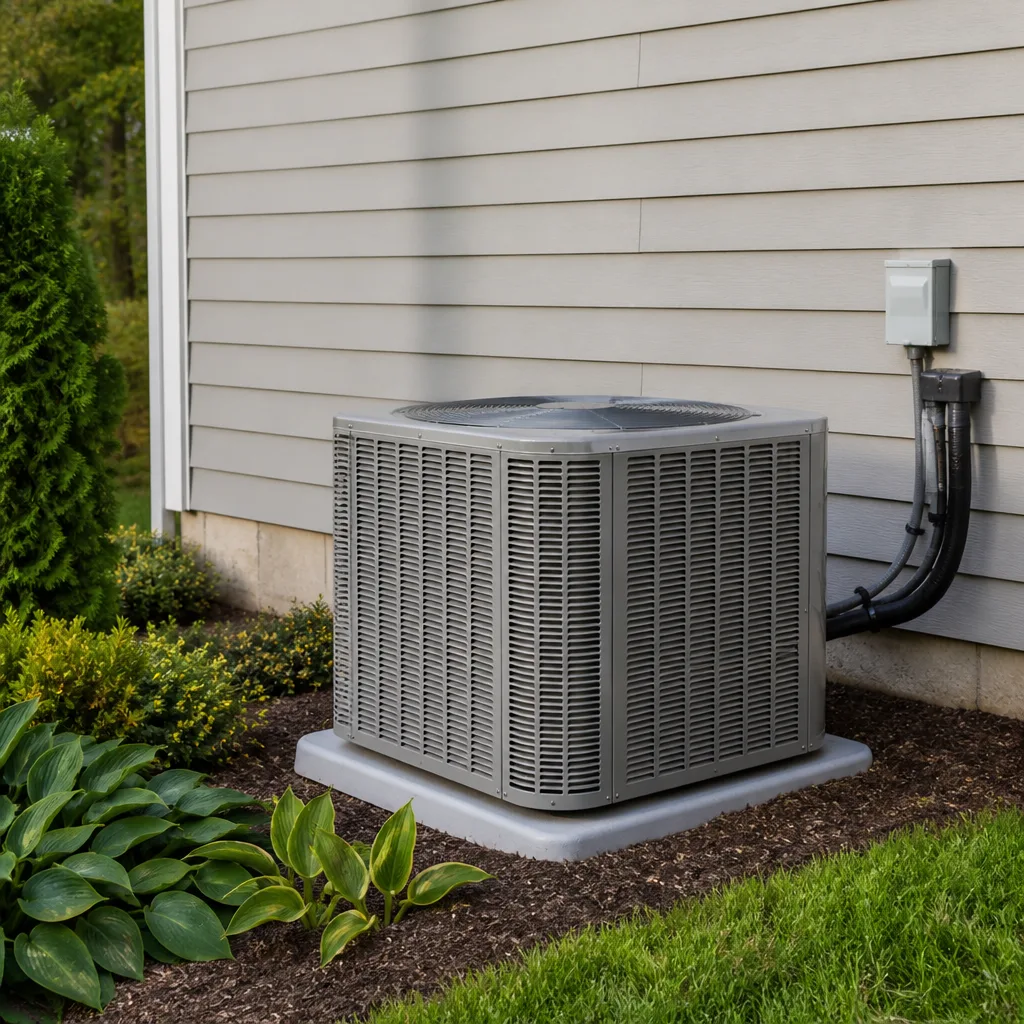 Carrier
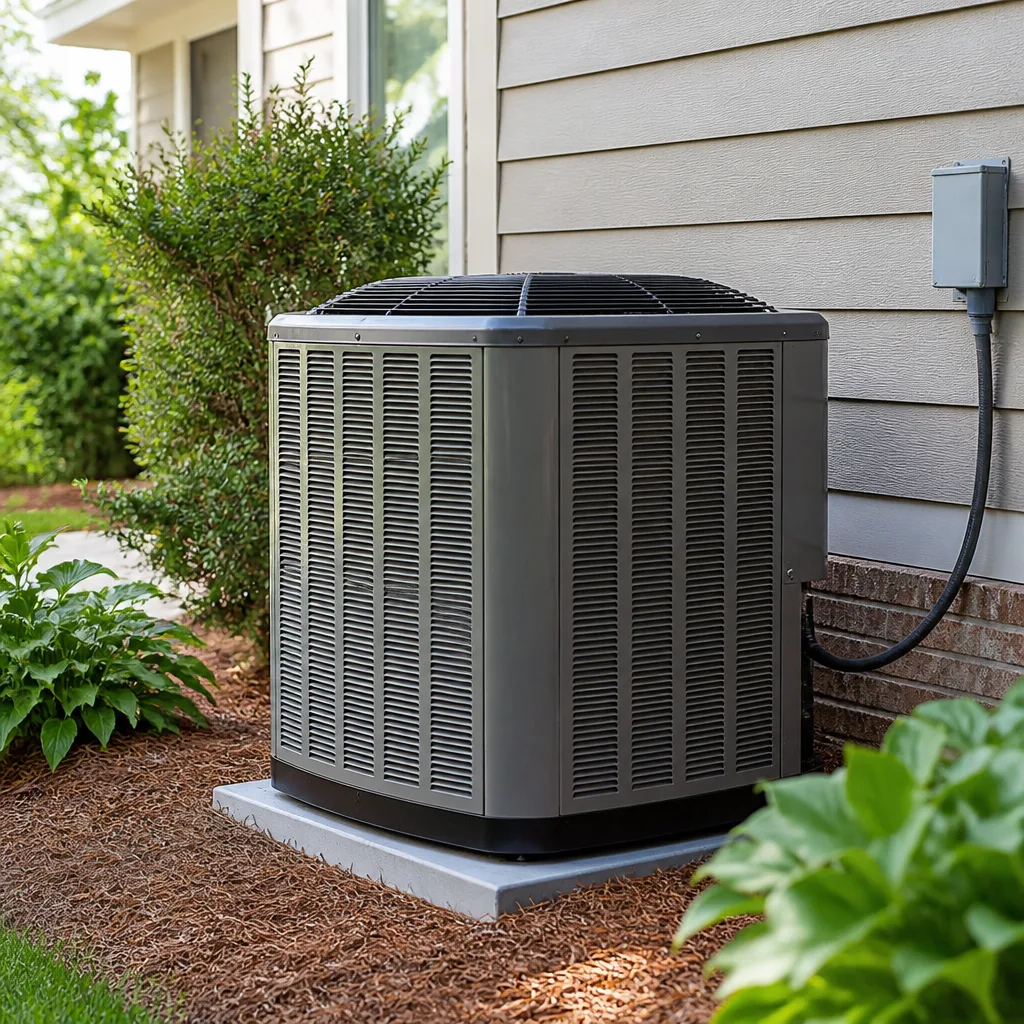 Trane
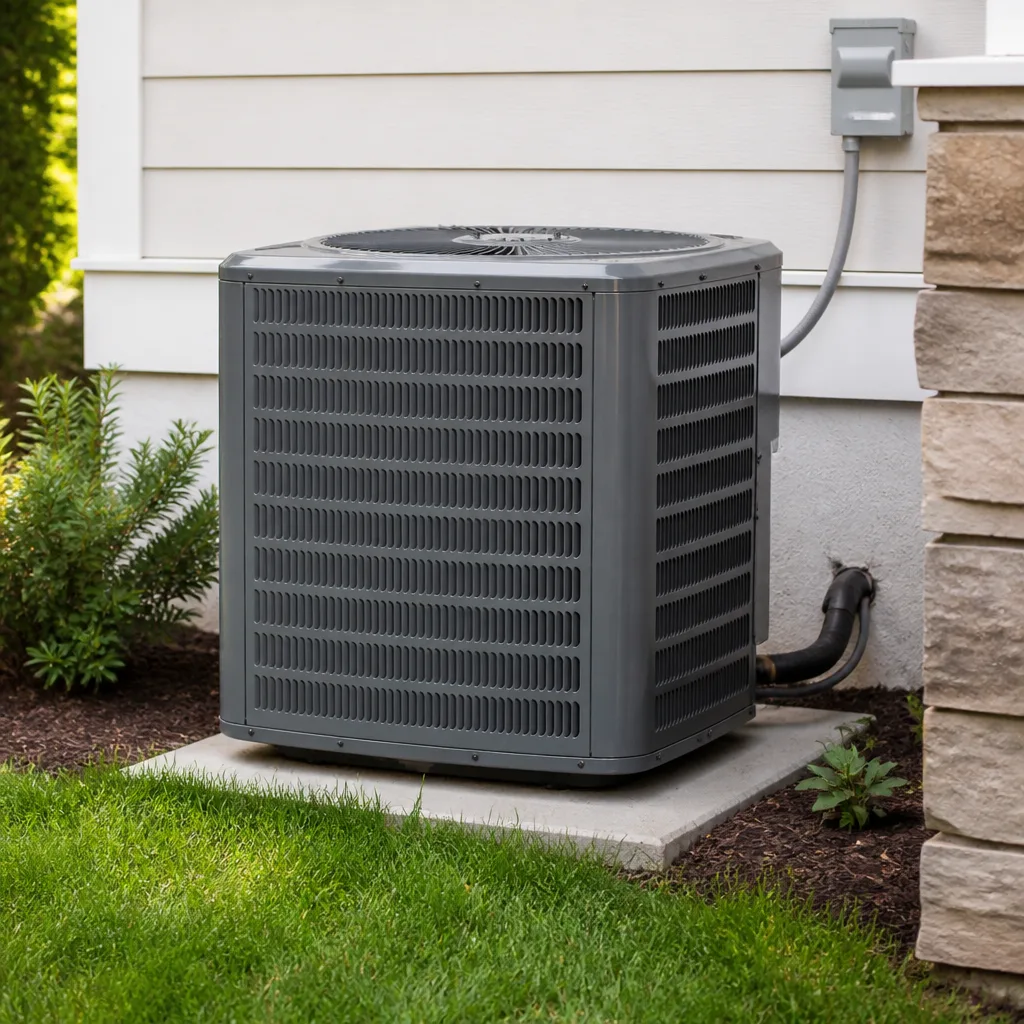 Goodman
Seasonal tune-up and full diagnostic on your Carrier, Trane, or Goodman system - readings shown to you before any repair is proposed
Diagnosis first, numbers second - you approve the repair price before a single part goes in.
Get your free estimateHow to Hire an HVAC Contractor in Salt Lake City: A Step-by-Step Guide
A Utah HVAC contractor can hold a valid license and a wall of five-star reviews and still quote you a system that’s wrong for your home. That happens because the recommendation is being driven by something other than your house: an equipment supply relationship, a dealer program, a quota. Most homeowners have no framework for spotting it, because the questions they know to ask cover competence and licensing but never independence. In this guide, we’ll walk through the Salt Lake City hiring process the way we’d walk a neighbor through it, from verifying the right Utah license classification to reading a quote line by line and comparing multiple bids on something more useful than total price. You’ll finish with questions no salesperson enjoys and every honest contractor should answer easily.
Quick Answer
To hire an HVAC contractor in Salt Lake City, verify the Utah DOPL license classification for the scope of work (an S200 covers HVAC work, and some jobs also need an electrical sign-off), insist on a Manual J load calculation and a home visit before any quote, confirm the contractor is brand-agnostic, and compare bids by equipment model, SEER2 rating, warranty terms and commissioning work rather than by total price. A contractor who can’t or won’t explain why a particular system fits your home, beyond that it’s what they install, has told you what you need to know.
Styles & brands we work with
- AC repair
- Furnace & heating
- Heat pumps
- Ductless mini splits
- Carrier
- Trane
- Goodman
Table of Contents
- Which Utah License Classifications Should You Verify?
- How Do You Spot a Brand-Aligned Contractor?
- Five Questions That Reveal Whether a Contractor Is Brand-Agnostic
- How to Read an HVAC Quote Line by Line
- Red Flags Specific to Salt Lake City’s Contractor Market
- How to Compare Multiple Bids Fairly
- Why Altitude and Cold Matter More Than You’d Think
- When to Call a Professional
Which Utah License Classifications Should You Verify?
Start with the license, but know what you’re checking for. Utah regulates contractors through the Division of Occupational and Professional Licensing (DOPL), and HVAC work falls under a specific classification rather than a general contractor umbrella. An S200 classification is the mechanical contractor license that covers heating, ventilation and air conditioning work. What it does not automatically cover is every electrical task that touches your system: the disconnect, the line voltage run to a new condenser, the low-voltage control wiring in some configurations. Depending on the job and the scope on the permit, you may need to see that both a mechanical contractor and an electrical contractor are properly licensed, or that the HVAC contractor’s paperwork clearly accounts for the electrical portions.
Here’s what to verify before anyone sets foot in your home:
- Current DOPL status. Look up the license number on the state’s public database and confirm it’s active, not expired or suspended. Check that the classification matches the work being quoted.
- Classification fit. An S200 for HVAC work. If the job involves new electrical circuits, ask who is licensed to handle that portion and confirm that name appears on the permit.
- Permits pulled in your name. In most Salt Lake City-area jurisdictions, a system replacement requires a mechanical permit, and an inspection follows. Ask who pulls it. A contractor who suggests skipping the permit because “it’s just a swap” is telling you something useful about how the rest of the job will go.
- Insurance. Ask for a certificate of general liability and workers’ compensation coverage. Salt Lake City code and state law expect it; verifying it takes one email.
Licensing is the floor, not the ceiling. A licensed contractor can still be a poor fit for your house, which is the part most homeowners miss. If you’re working through the process for a new cooling system specifically, our AC installation page walks through what the job actually involves from the contractor’s side. For heating work, the same verification steps apply before anyone touches your furnace.
How Do You Spot a Brand-Aligned Contractor?
Brand alignment isn’t illegal, and it isn’t always bad. What it means is that a contractor has a formal relationship with one or more manufacturers, often a dealer program that rewards selling certain equipment tiers, sometimes with marketing support or preferential pricing. The contractor may genuinely believe in the brand. The problem is what happens when your home would be better served by a different system, or a smaller one, or a simpler one: the recommendation still lands on what the program rewards.
In our experience, the signs are usually in the conversation, not the brochure:
- The brochure match. Every proposal comes with the same manufacturer’s literature, and the range of options is narrow: good, better, best, all from one brand.
- The single-brand storefront. There’s nothing wrong with specializing. The issue is a single-brand shop presenting itself as full-service and then steering every replacement toward their line, including homes where the existing equipment is a different brand entirely.
- The “we don’t service that” dead-end. A contractor who can’t work on the three or four major brands they don’t sell is a contractor you’d have to fire the moment you buy something different.
- The unbranded silence. When you ask what brand they would not install, brand-aligned contractors tend to pause. Independent contractors usually don’t.
We’re an example of the other model. Our technicians are trained across nine major brands: Carrier, Trane, Lennox, Goodman, Rheem, York, Daikin, Bryant and American Standard. That breadth isn’t a marketing line; it’s what lets us recommend based on the home and budget rather than on a dealer agreement. When you’re hiring in Salt Lake City, a contractor who can service what you already own and would be comfortable installing any of several major brands is the one less likely to push you somewhere the equipment relationship, not the load calculation, decided.
Five Questions That Reveal Whether a Contractor Is Brand-Agnostic
Ask these during the home visit, before you request a quote. Listen for specifics. Anyone can say they’re independent; the follow-up answer is where the truth lives.
- “What brand would you NOT install, and why?” The best answer names something concrete about reliability, parts availability, service life or fit for your home’s specific load. A dodge or a blank “we work with all the good ones” is a tell.
- “If my house were your house, what would you put in and where would you economize?” This asks for a personal recommendation, not a sales pitch. Brand-locked contractors will still name their line, which is fine, but the reasoning should reference your home.
- “Which brands do your technicians train on, and how often?” Vague answers here usually mean one brand’s factory training and little else. A contractor covering several brands has to keep up on several, which takes structure.
- “Can you service my existing system if I don’t replace it, and will that change your recommendation?” If the answer to the first half is no, the second half is already decided. A repair-only vs. install-only contractor has a built-in incentive one way or the other.
- “Walk me through what you’d do if the equipment you recommend isn’t the right fit after a month.” This is a warranty and follow-through question in disguise. A contractor with no relationship to a single manufacturer’s dealer program can typically discuss options more freely.
None of these questions are traps. They’re the questions a homeowner is entitled to ask, and an independent contractor will answer them without checking a quota sheet. Whatever brand is in your home, we know it, and that’s the standard to hold any Salt Lake City contractor to before you sign anything.
How to Read an HVAC Quote Line by Line
A useful quote is a document, not a phone call. If you’re comparing replacements, the line items matter as much as the number at the bottom, because the number is only meaningful if you know what it includes. Here’s what should appear on a complete quote for a system replacement or install:
- Specific equipment models. Model numbers, not just brand names. “Carrier” tells you nothing; a model number tells you the efficiency tier, the capacity and the parts spec.
- A Manual J load calculation. This is the sizing calculation based on your home’s square footage, insulation, window area, orientation and envelope. A contractor who sizes by rule of thumb (“about a ton per 500 square feet”) is skipping the work that determines whether your new system actually fits.
- The permit fee, itemized. If it isn’t there, ask whether the contractor is pulling one.
- Line-set condition and refrigerant handling. Reusing old line sets on a new refrigerant is sometimes fine and sometimes not. The quote should say what the plan is.
- Commissioning and a startup test. Refrigerant charge verification, airflow measurement, temperature split. This is the step most cut-rate installs skip because it takes time.
- Warranty terms in writing. Parts and labor separated, with duration stated for each.
What signals a cut-rate job? A quote with only a brand name and a total. A quote with no mention of the load calculation. A quote that says “permit included” without a line item. A quote that offers the same system to every home on the block with no adjustment for what you actually have. If you’ve ever wondered how a neighbor got a quote forty percent lower than yours, it’s usually one of those items quietly missing. We’ve watched homeowners in Salt Lake City discover it two winters later when the equipment never quite kept up.
Red Flags Specific to Salt Lake City’s Contractor Market
Every market has its shortcuts. Ours has a few you’ll want to watch for during the hiring process.
- A quote delivered over the phone without a home visit. A proper HVAC quote requires someone to see your equipment, your ductwork, your window layout and your insulation. No legitimate load calculation can be built from a phone call. If the quote arrives before the contractor does, it’s an estimate of nothing.
- No mention of altitude in system sizing. Salt Lake City sits around 4,300 feet, and altitude affects how combustion equipment performs. A contractor sizing a furnace or water heater without asking about your elevation isn’t accounting for derating or airflow adjustment. If the words “altitude” or “elevation” never come up, that’s a gap you should raise.
- Single-brand shops presenting themselves as full-service. Ask explicitly: “If I already own a different brand, can you service it, and can you install something other than your primary line?” The answer should be straightforward.
- Ductwork promises bundled with a replacement quote. If the bid suddenly includes duct sealing or duct repair you didn’t ask about, the price creep is worth investigating. Ask what it addresses and why.
- “We don’t pull permits, we save you money.” You’re buying a reason to worry at resale, and potentially a reason your warranty is void. Permits exist for a reason.
- The pressure close. A legitimate quoted price should hold still while you think about it. “This quote expires tonight” is a sales tactic, not a scheduling fact.
One more: a contractor who can’t tell you their DOPL classification without looking it up isn’t necessarily dishonest, but it’s a sign they haven’t had to answer the question often. The good ones will recite it. If you’re narrowing your list and want a frame for the heating side, our furnace repair page details how a competent diagnosis should go. A contractor who diagnoses well is a contractor who’ll install well.
How to Compare Multiple Bids Fairly
Comparing quotes by total price alone is the most common way homeowners get a system that under-performs. The helpful comparison is at the equipment and scope level. Build a simple table or spreadsheet and line up each bid against the same fields:
- System model and efficiency tier. Compare the model numbers. A Trane and an American Standard at the same SEER2 rating aren’t necessarily the same equipment, but they can be product families. What matters is tier consistency: are you comparing two entry-level systems or one entry-level against one premium?
- SEER2 rating. The current efficiency standard matters here, and Utah’s climate puts a premium on cooling performance but also on heating efficiency. Ask what the rating means for your home’s specific usage.
- Capacity match. Did both bids arrive at the same tonnage and BTUs, and did both show a Manual J calculation? If one contractor sized to 3 tons and the other to 4, you have two completely different systems on paper. Ask which calculation produced which number.
- Included labor and commissioning. Line-set replacement, refrigerant charge verification, airflow adjustment, thermostat setup. One bid may include these, the other may assume they’re part of the day.
- Warranty terms. Parts, labor and heat exchanger (for furnaces) each with their own duration. Compare those separately, not as “full warranty.”
- Permit and inspection handling. Confirm each bid includes it and that the contractor will schedule the inspection.
- Equipment tier context. Understand where each quote sits in the manufacturer’s lineup. A great price on an entry-level system may be fair; the same price on a mid-tier system from another brand may not be.
When totals differ by thousands, the reason is almost always a difference in one of the fields above: a smaller system, a lower tier, a skipped load calculation, or a missing commissioning step. Figure out which one first. Then the price comparison makes sense, and if you’re still deciding which Salt Lake City contractor to hire, the one who can explain every line is the one whose number means something.
Why Altitude and Cold Matter More Than You’d Think
Salt Lake City sits in a valley with a climate that treats HVAC equipment differently than a lower-elevation market. Winter cold snaps are real, and the valley holds cold air in ways that affect how hard a heating system works. Summer heat is drier than coastal markets, so humidity control plays less of a role, but the cooling load still builds on south- and west-facing rooms during afternoons in July and August. A system sized for a milder climate will struggle here, and one sized without accounting for our specific combination of altitude and temperature swings will either short-cycle or run constantly.
Altitude is the one most homeowners don’t ask about. Furnaces, water heaters and any gas-fired equipment derate at elevation, which is why the commissioning step on a proper install includes gas pressure and airflow adjustment. A contractor who doesn’t mention elevation when sizing a furnace in Salt Lake City has either skipped a step or is installing equipment already designed for the range. Both are worth asking about. The practical takeaway: the sizing and the commissioning are where the real differences between contractors live, and where a cheerful low bid often hides its savings. Whether you end up choosing us or someone else, insist on the calc and the test.
When to Call a Professional
Some HVAC issues are genuinely a job for a licensed professional, and it’s worth knowing where the line sits. Any work on gas lines, electrical panels or the wiring feeding your equipment is not a homeowner project: those components carry real risk, and Utah licensing exists for a reason. If you see a scorched control board, smell gas near your furnace, or the breaker keeps tripping, stop and call a professional. For replacements, the load calculation, permit and commissioning all require a licensed contractor. Same-day repair is often available when a system fails in extreme weather, and that’s a genuine health concern, not a sales urgency. If your system is on its last legs and you want to talk through repair versus replacement honestly, Lockhart AC Repair offers free estimates in Salt Lake City: call (855) 473-8712 to schedule one.
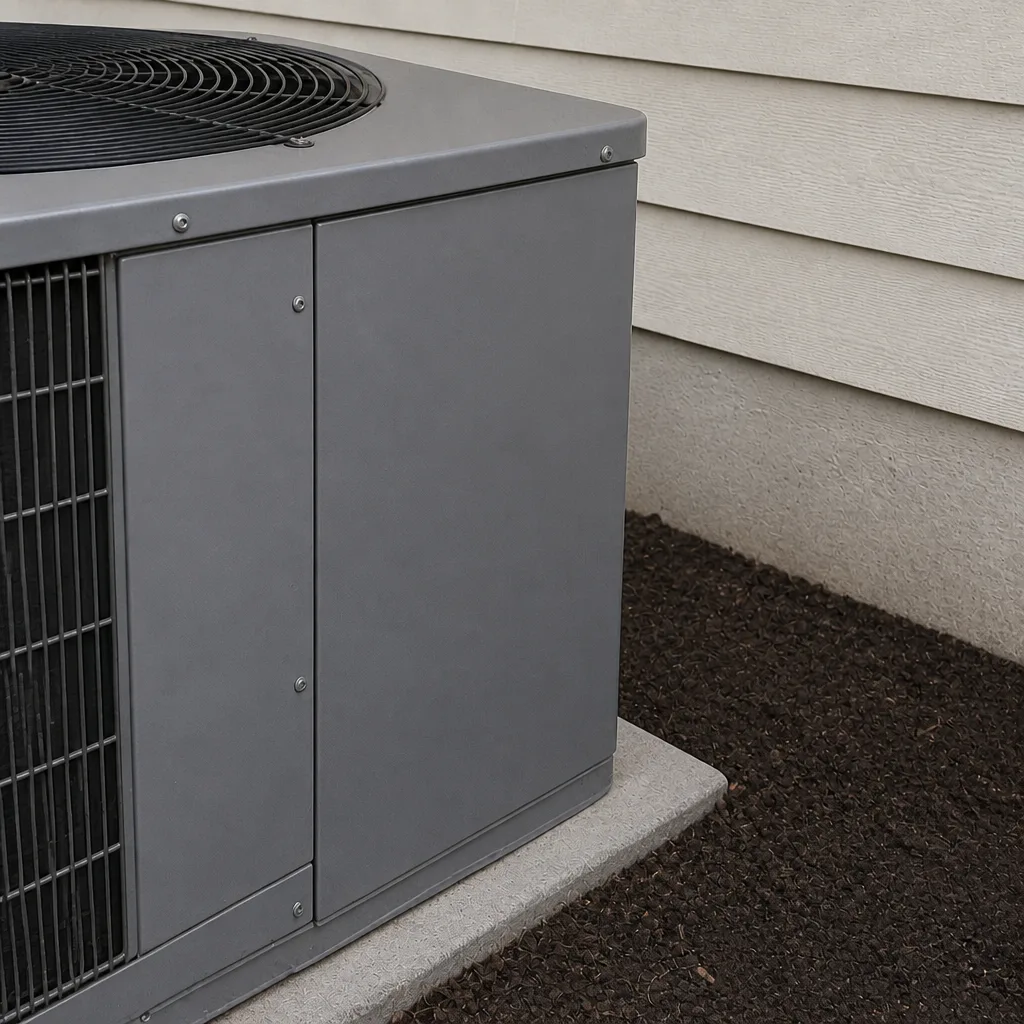
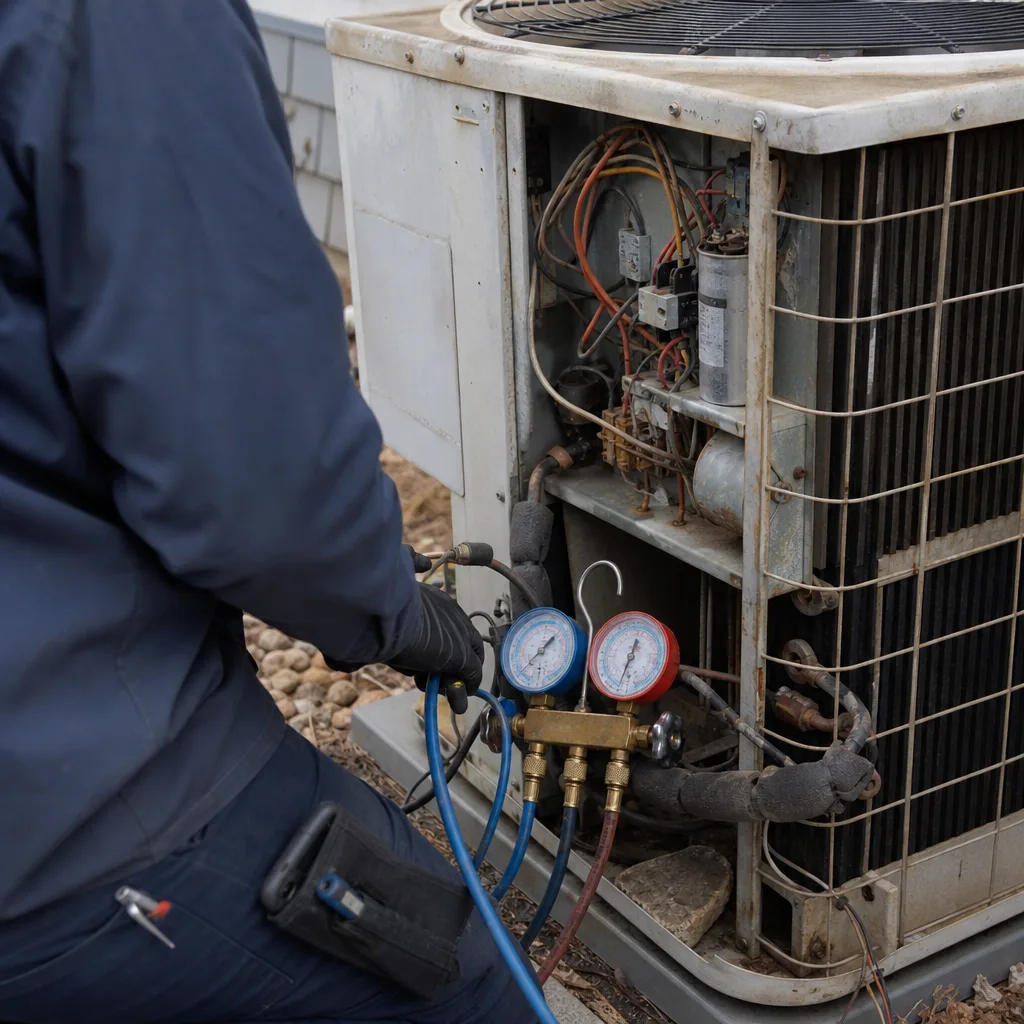
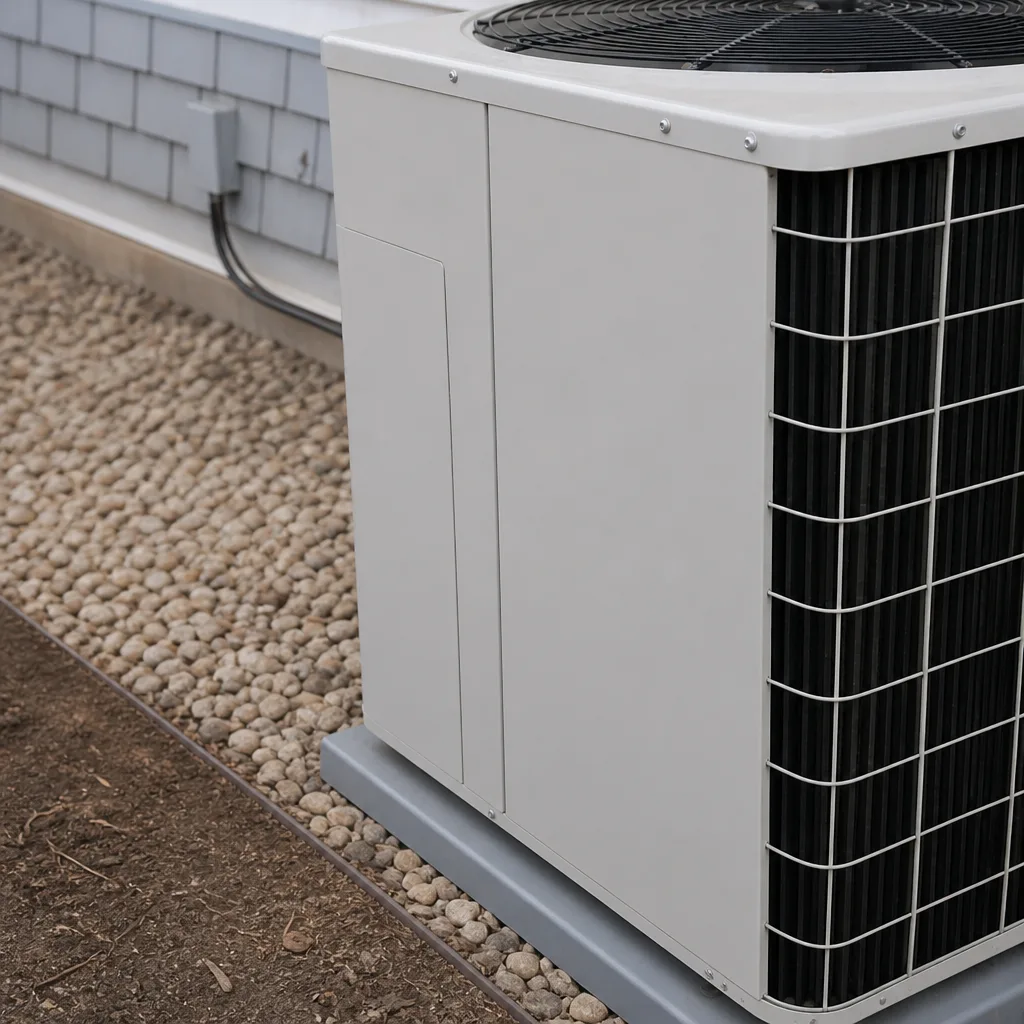
See the difference
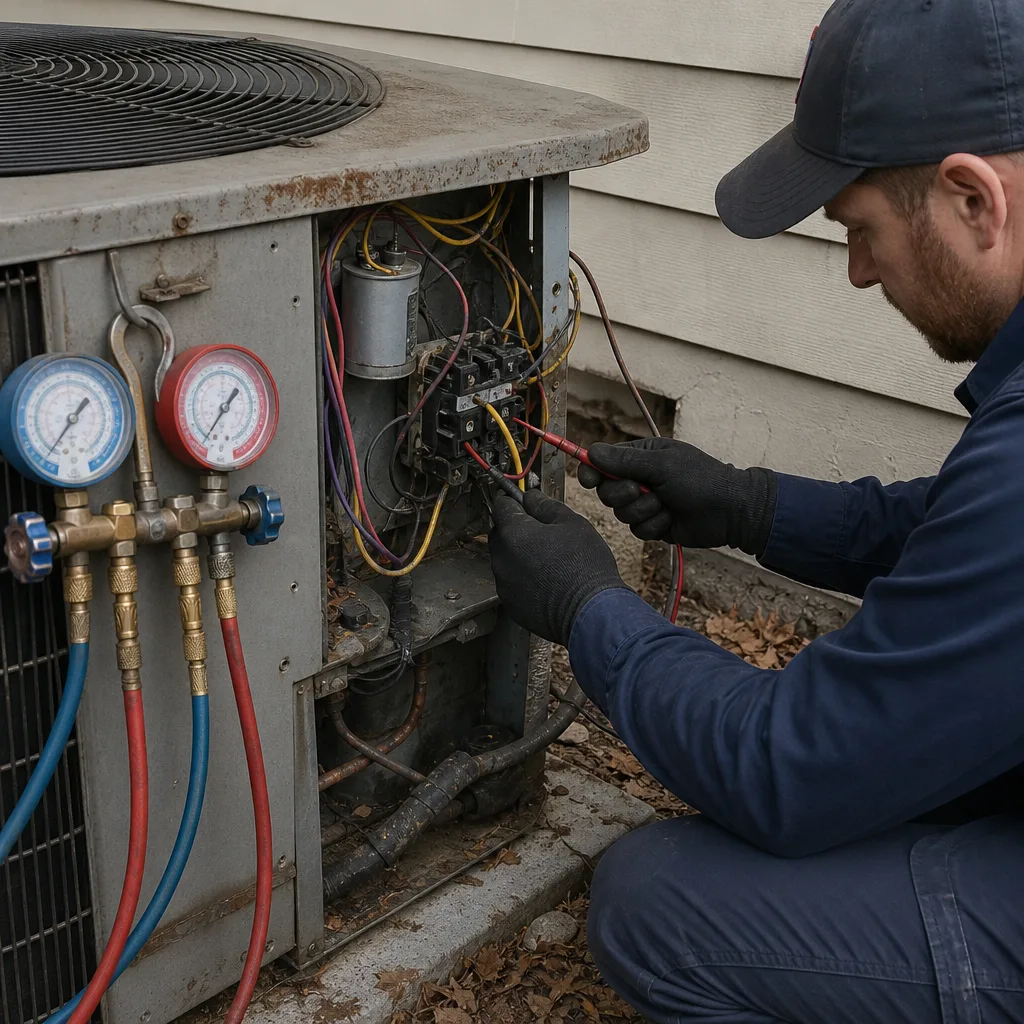 Before
 After
 Before
 After
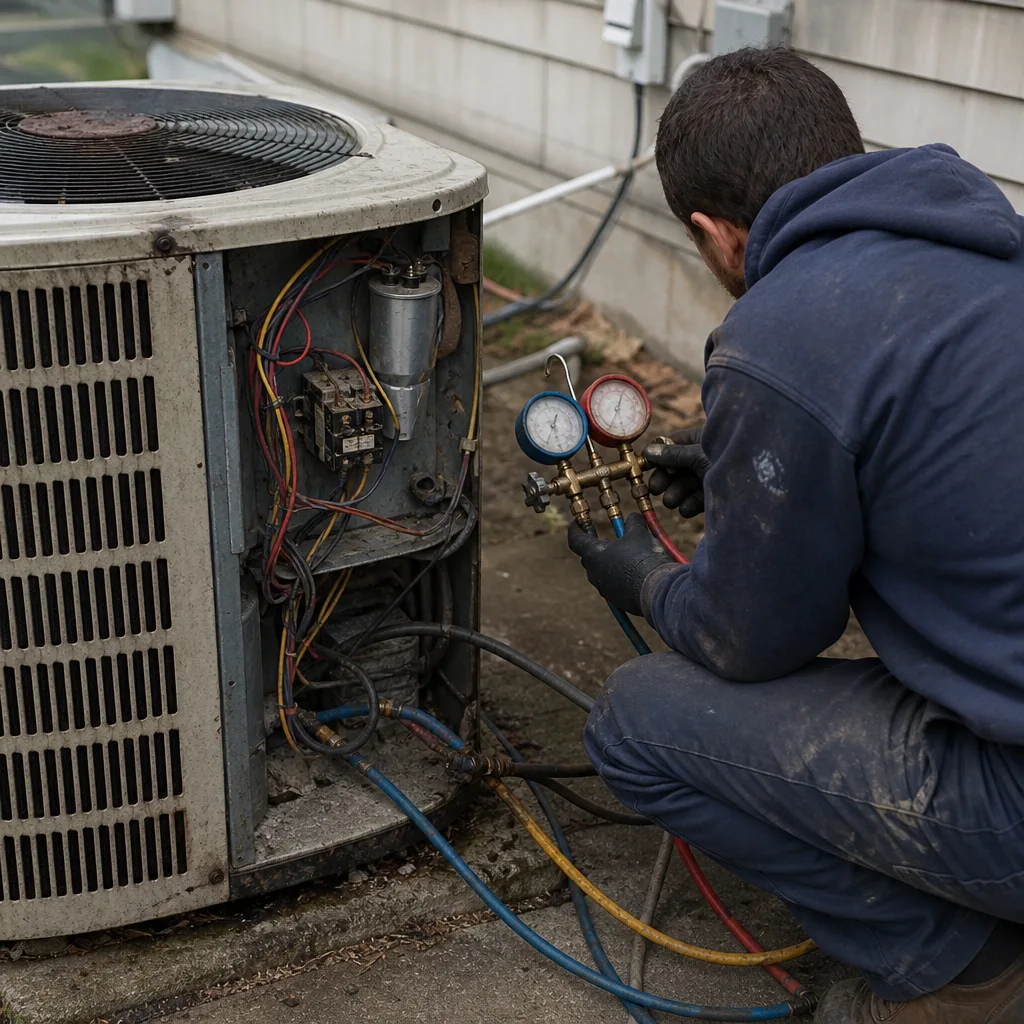 Before
 After
Frequently Asked Questions
An HVAC contractor working in Salt Lake City should hold a current mechanical contractor classification through Utah DOPL, with S200 being the relevant HVAC classification. Some jobs also require electrical sign-off, so confirm both are properly handled on the permit. Verify the license status on the state’s public database before the first visit.
Ask what brand they would not install, and why. A brand-agnostic contractor will answer with specifics about reliability, parts or fit. A brand-aligned contractor typically hesitates or answers in generalities. You should also check whether their quotes always come back to one manufacturer and one tier range, or whether the options genuinely vary by home.
Yes, and you should insist on it. A Manual J calculation sizes the system based on your home’s actual envelope, window area, orientation and insulation, not square footage alone. Without it, you don’t know whether the equipment fits your house, and the quote is guesswork dressed as a price. Our technicians have up to 15 years of experience and can walk you through what the calculation shows for your home.
Salt Lake City sits around 4,300 feet, and gas-fired equipment derates at elevation. That affects how furnaces are sized and how they’re commissioned: gas pressure, airflow and combustion have to be adjusted for the elevation. A contractor who never raises altitude during a furnace replacement has skipped a step you’ll pay for later.
Compare by system details: model number, SEER2 rating, Manual J result, warranty terms and included commissioning work. Total price means nothing without knowing which fields are inside it. Two quotes with a wide gap almost always differ in equipment tier, system size or included labor, and the cheaper one usually isn’t cheaper for the reason you’d hope.
No, not a useful one. A legitimate quote for a replacement or new install requires a home visit, a look at the existing equipment and ductwork, and a Manual J calculation. A phone quote is a guess, and a guess can’t be compared fairly to a real bid. Call (855) 473-8712 to schedule a free in-home estimate in Salt Lake City.
The Bottom Line
Hiring an HVAC contractor in Salt Lake City is about independence as much as qualification. Verify the Utah DOPL license and electrical coverage, insist on a home visit and a Manual J calculation, read every quote line by line, and ask the questions that separate a brand-agnostic contractor from a single-brand shop. Compare bids by model, SEER2, warranty and commissioning, not by total price. A contractor who can honestly tell you whether to repair or replace, and who services the system you have rather than the one they’d prefer to sell, is the one worth keeping for the life of your equipment. If you’re ready to put those questions in front of a real team, call us for a free estimate and see how the answers hold up.
Written by the team at Lockhart AC Repair.
Ready to Schedule a Free Estimate?
We serve homeowners across Salt Lake City with AC installation, furnace repair and furnace replacement, and we work on nine major brands. One call covers your furnace and your AC. Call (855) 473-8712 for a free estimate. We answer 24/7. Fast dispatch from 7am to 7pm, Sunday through Friday.