
Last updated November 15, 2026
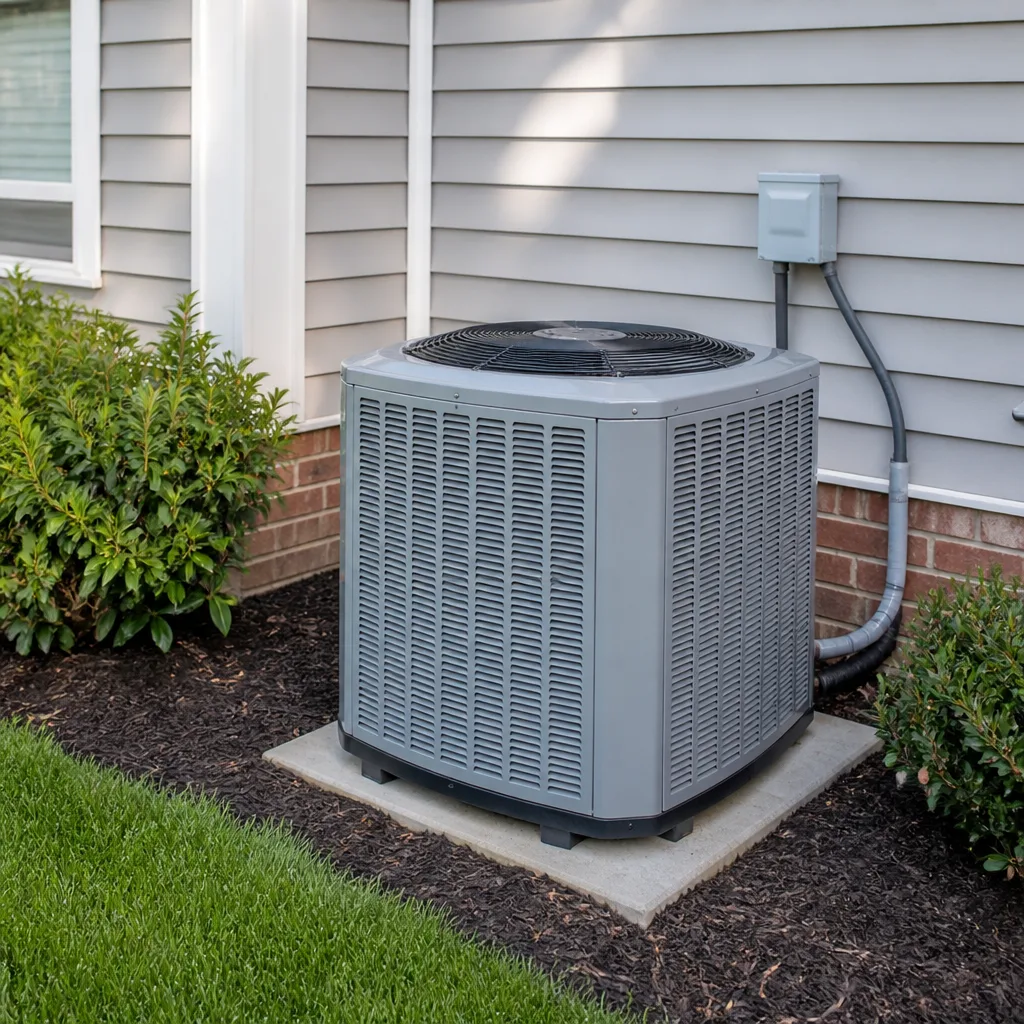 AC repair
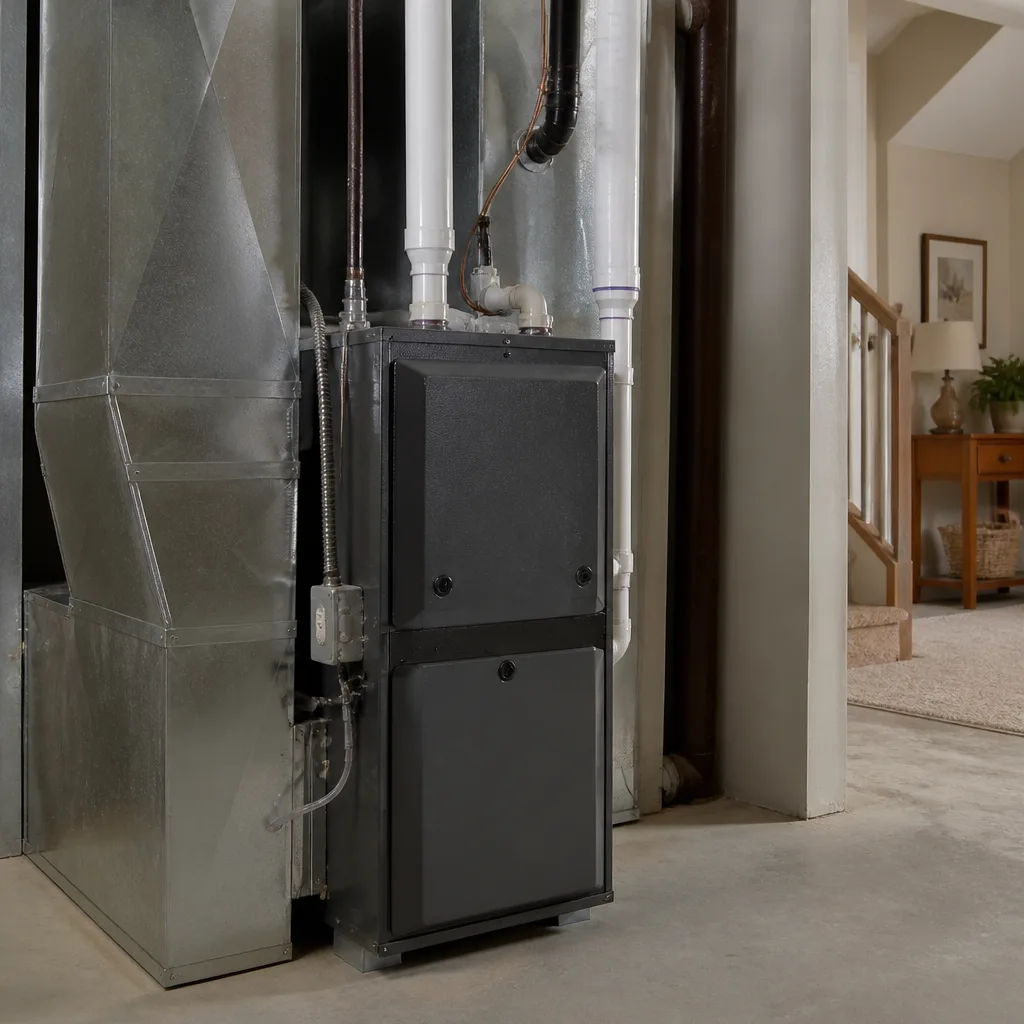 Furnace & heating
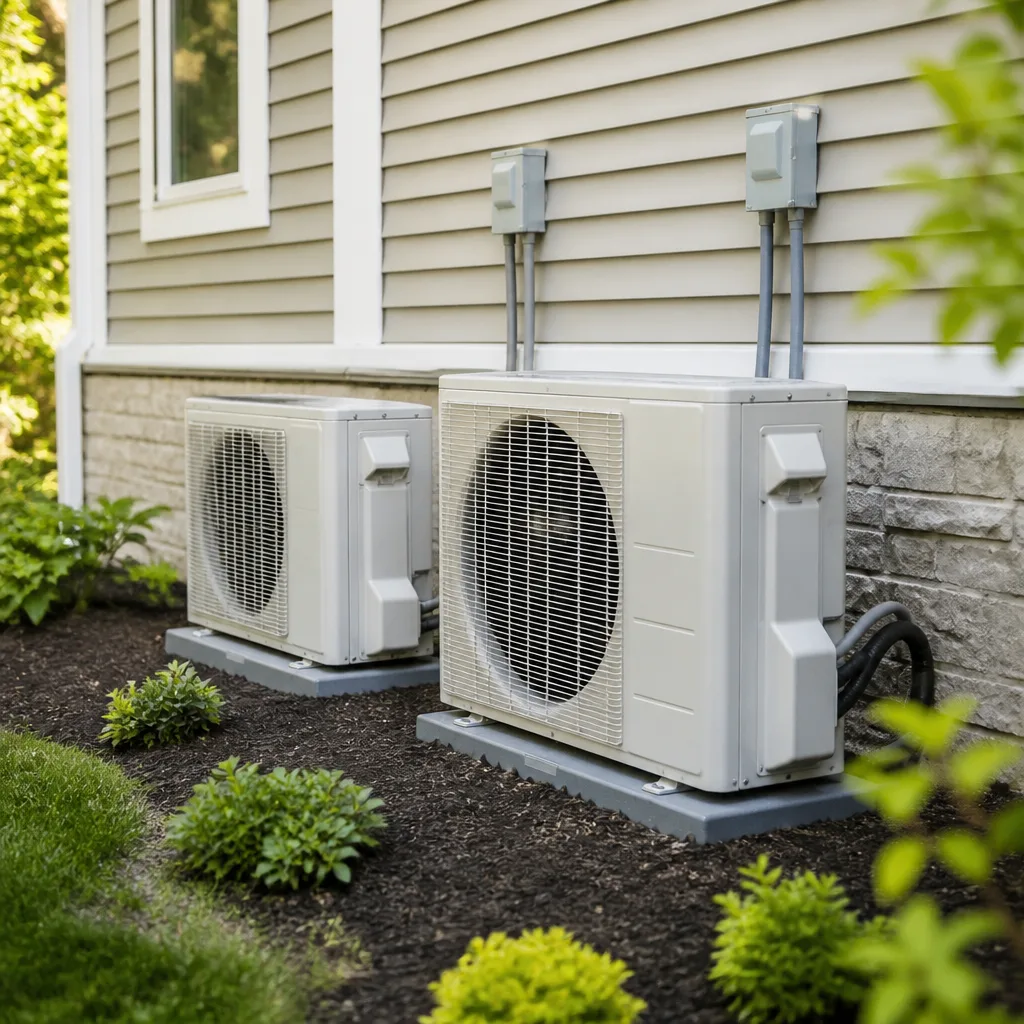 Heat pumps
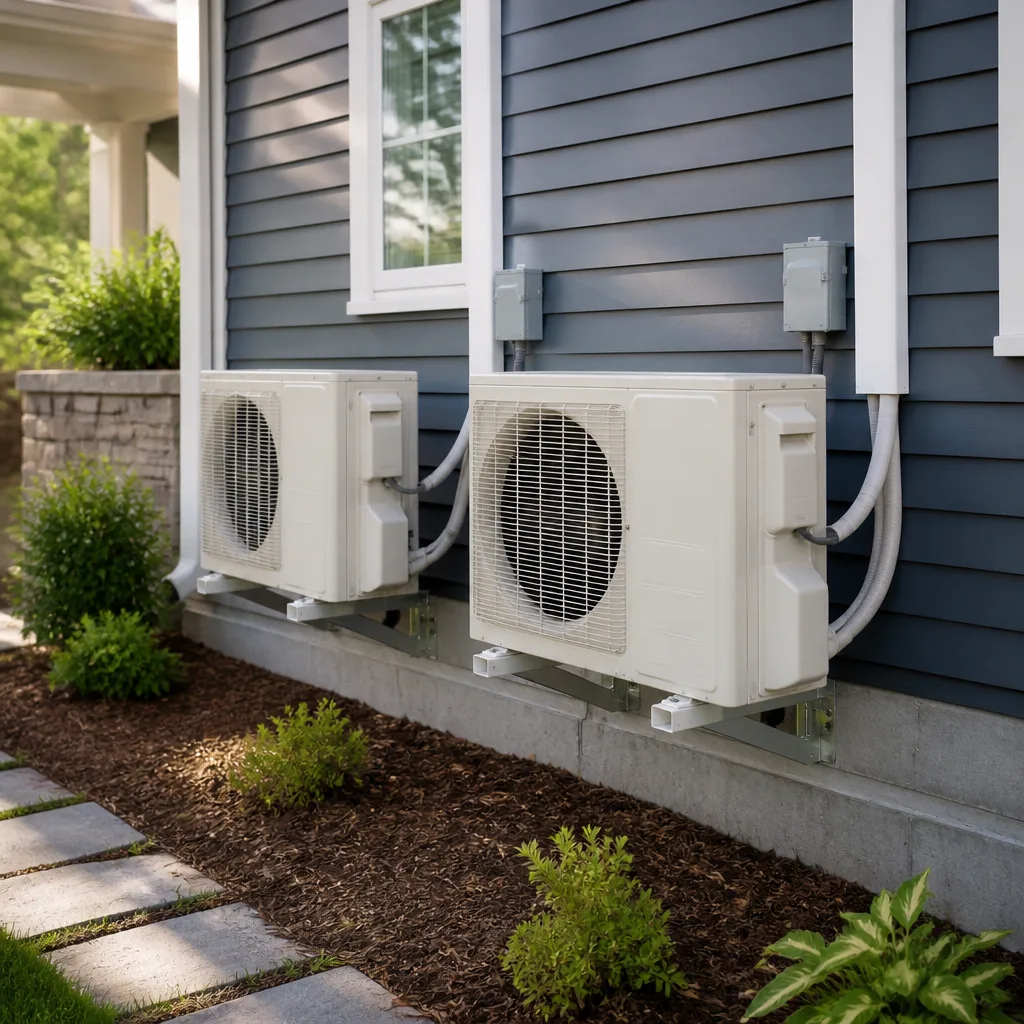 Ductless mini splits
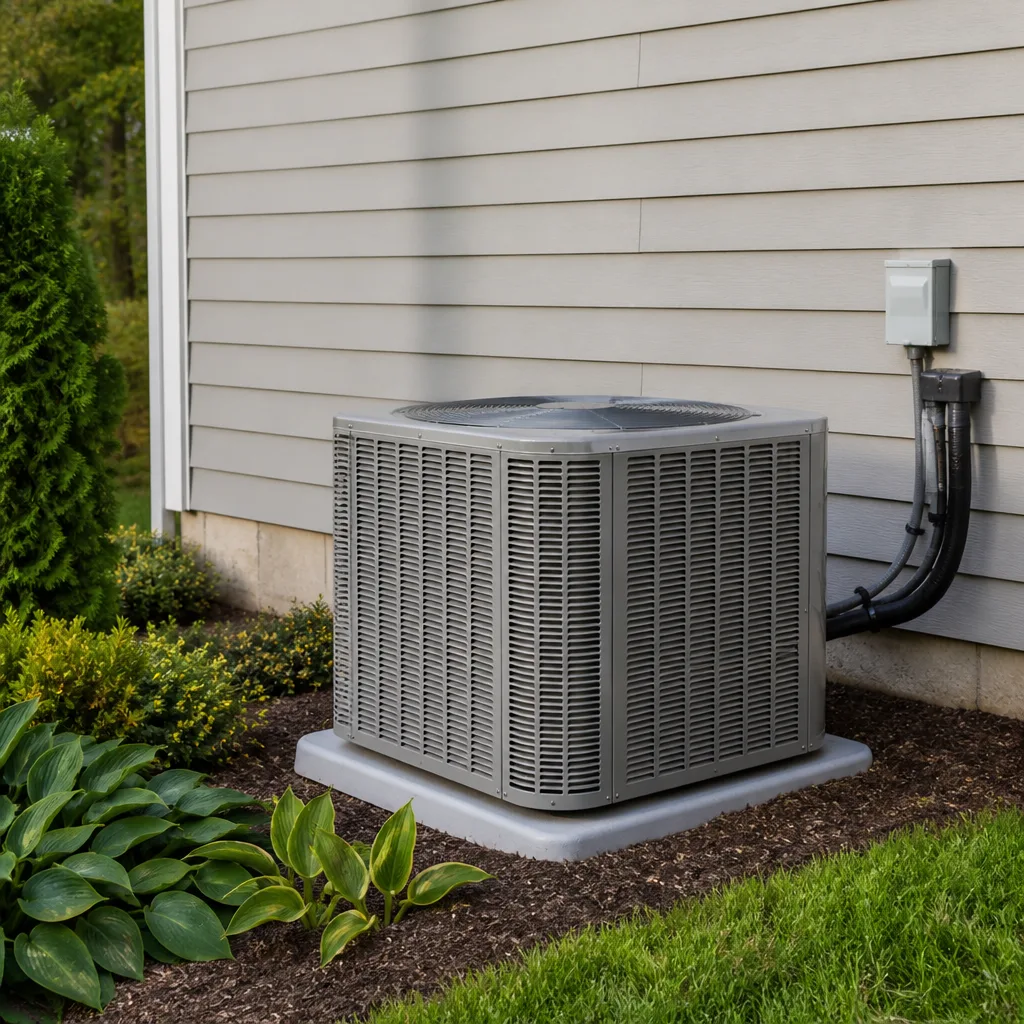 Carrier
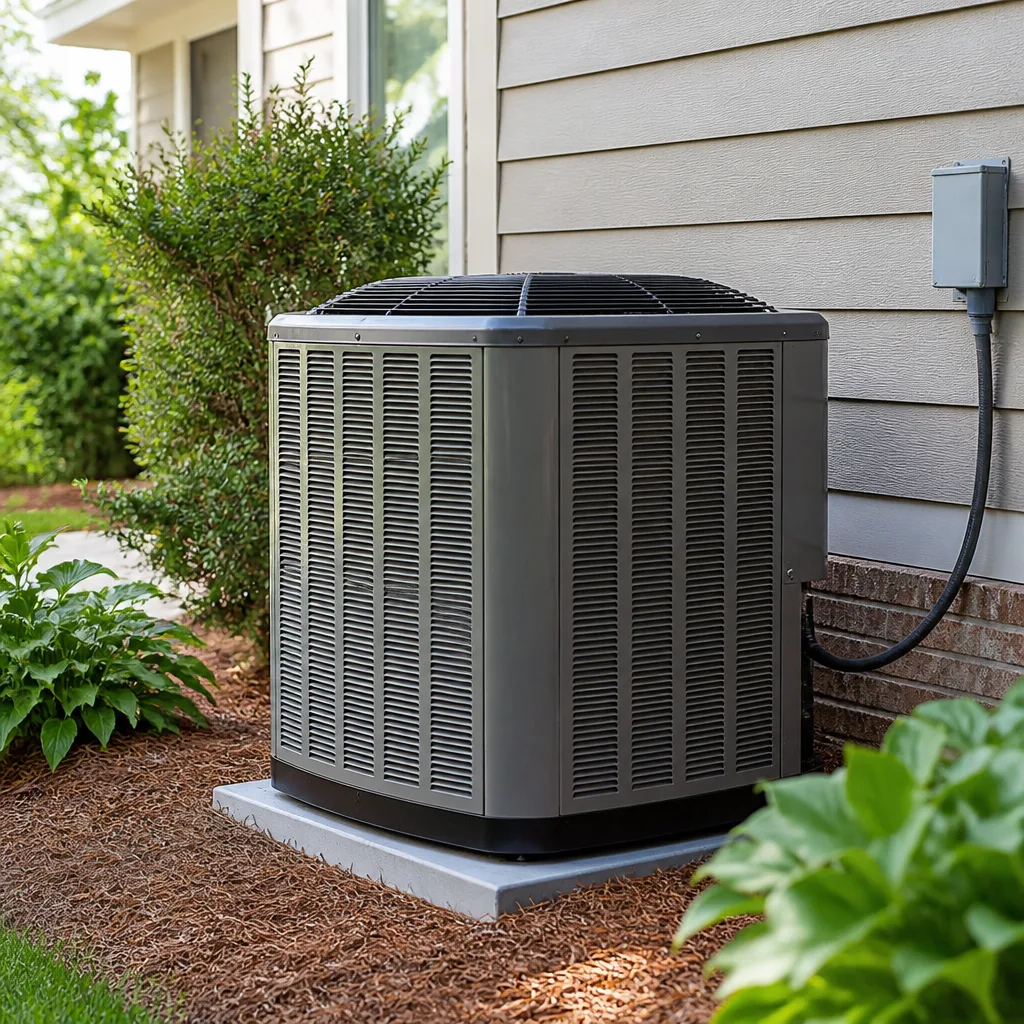 Trane
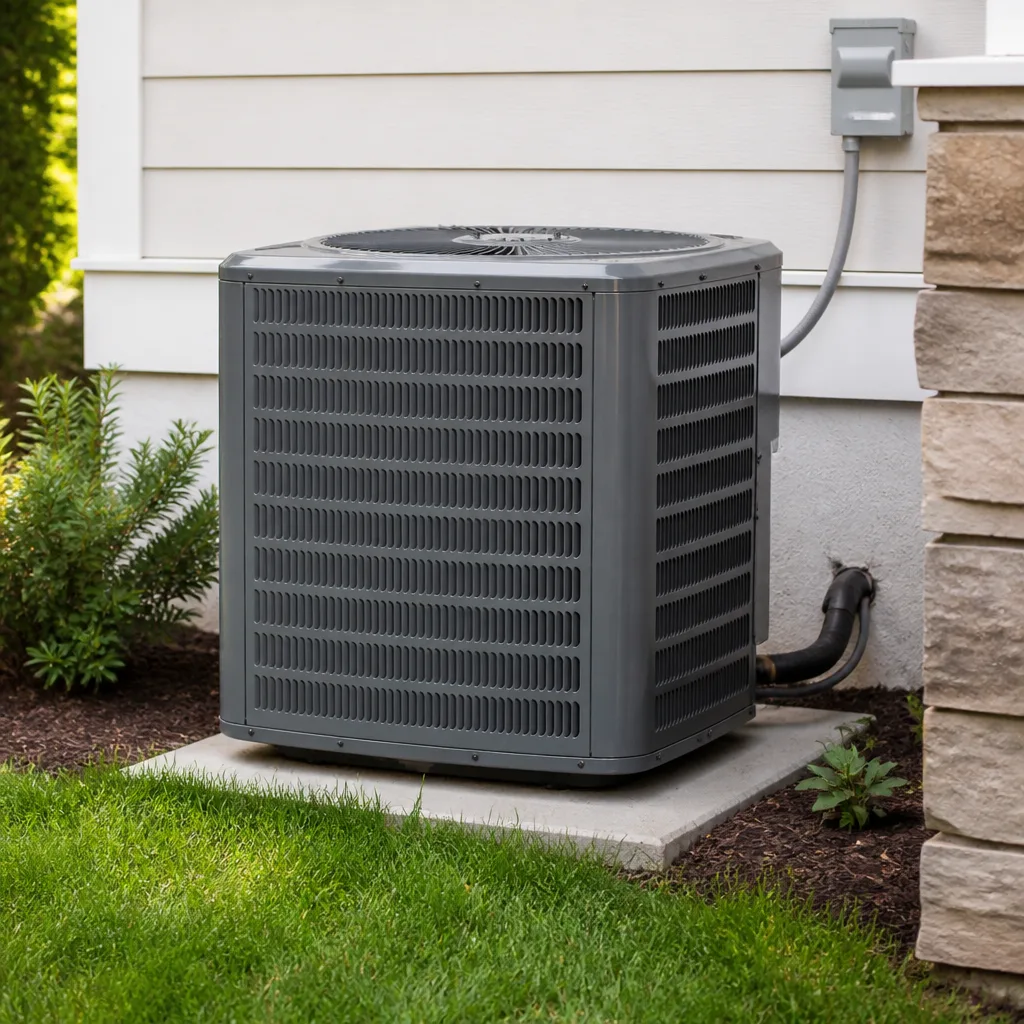 Goodman
Seasonal tune-up and full diagnostic on your Carrier, Trane, or Goodman system - readings shown to you before any repair is proposed
Diagnosis first, numbers second - you approve the repair price before a single part goes in.
Get your free estimateHVAC Emergency Preparedness Guide for Salt Lake City Homes
The most dangerous HVAC failure in Salt Lake City winters usually isn’t the furnace that won’t start. It’s the furnace that runs perfectly, cycles on and off like always, and quietly cracks a heat exchanger into the air your family breathes. Carbon monoxide doesn’t announce itself, and tighter, well-sealed newer homes here hold that gas longer than draftier houses do. The good news: nearly every HVAC emergency in this valley follows a predictable pattern tied to our seasons. This guide gives you the timing, the first-15-minute steps, and the pre-season checks so the worst night of the year never catches you flat.
Quick Answer
Most Salt Lake City HVAC emergencies fall into three predictable windows: compressor failures on the first 95°F day of June, igniter failures on the coldest January night, and carbon monoxide events from heat exchangers stressed by winter’s dry-air cycling. Prevent them with pre-season checks in spring and fall, know your gas shutoff and breaker locations before you need them, and never run a system with a known problem. If you’re mid-emergency now, call Lockhart AC Repair at (855) 473-8712. We answer 24/7 and offer free estimates.
Styles & brands we work with
- AC repair
- Furnace & heating
- Heat pumps
- Ductless mini splits
- Carrier
- Trane
- Goodman
Table of Contents
- The Three HVAC Emergencies Salt Lake City Homes Actually Face
- What to Do in the First 15 Minutes of Each Emergency
- The Pre-Emergency Information Sheet Every Home Should Have
- Temporary Measures: What’s Safe and What Makes It Worse
- When HVAC Fails During an Inversion Event
- Pre-Season Checks That Prevent Each Emergency
- Repair or Replace? Making the Call Under Pressure
- Common Mistakes to Avoid
The Three HVAC Emergencies Salt Lake City Homes Actually Face
HVAC failures here aren’t random. They cluster around stress events we can name by month, and knowing the pattern is half the preparation.
1. Compressor failure on the first 95°F day (June)
The first savage heat of the season is the hardest day of the year for an air conditioner. A compressor that limped through mild spring temperatures suddenly runs flat-out for twelve hours straight, and whatever was marginal in May gives out in June. Systems with dirty coils, low refrigerant charge, or a failing capacitor are the usual casualties. In Salt Lake City, the dry air means your AC is working hard while the outdoor unit is baking in direct sun on the south or west side of the house.
2. Igniter failure on the coldest January night (heating season)
Furnace igniters are the most common no-heat call we see when temperatures drop into single digits. The igniter is a fragile ceramic part that heats up to light the burners, and it gets brittle with age and repeated thermal cycling. It usually fails without warning, on the coldest night, when the furnace has been running nonstop. A failed igniter means no flame, no heat, and a house that drops temperature fast.
3. Carbon monoxide event from a cracked heat exchanger (winter)
Winter in Salt Lake City brings dry air and heavy heating demand. Furnaces cycle constantly, and the heat exchanger metal expands and contracts with each cycle. Over years, that stress can crack the exchanger, allowing combustion gases to mix with the air moving through your ducts. Homes here tend to be well-sealed against the cold, which means CO has fewer escape routes. This is the emergency that hides, and it’s why a CO alarm and an annual furnace inspection matter more than any other preparation on this list.
What to Do in the First 15 Minutes of Each Emergency
The first quarter hour sets up how the rest of the day goes. These steps protect your household and, in most cases, keep a repairable system from becoming a replacement.
If the furnace won’t start in winter
- Check the thermostat first. Confirm it’s set to heat and the temperature is above the current room reading. Replace batteries if it’s a battery model.
- Check the breaker at your electrical panel. A tripped furnace breaker is common after a power flicker.
- Check the furnace switch. Many furnaces have a toggle switch nearby that can get bumped off.
- If the furnace has a flame but no heat, or the blower runs with cold air, shut the system off at the thermostat and call. That combination can point to a serious issue.
- If you smell gas, leave the house, don’t flip any switches, and call your gas utility from outside before calling anyone else.
If none of the basic checks bring heat back, call us at (855) 473-8712. We answer 24/7, and fast dispatch runs from 7am to 7pm, Sunday through Friday.
If the AC fails during a heat event
- Check the breaker and the outdoor disconnect. A tripped breaker is the most common cause of a dead outdoor unit.
- Check the air filter. A clogged filter can ice the coil or trip the system on high pressure.
- Look at the outdoor unit. If the fan isn’t spinning or the unit is humming without starting, shut it off at the thermostat to protect the compressor.
- Close blinds on sun-facing windows and use fans to move air. Keep the house closed up during the hottest hours.
- Call for service. A compressor that’s been trying to start against a fault can fail completely if it keeps running.
If a CO alarm triggers
- Get everyone, including pets, outside immediately. Don’t stop to gather belongings.
- Call 911 from outside.
- Don’t re-enter until emergency responders clear the home.
- Once cleared, don’t run the furnace until a technician has inspected the heat exchanger. A CO event is a furnace-off event until proven otherwise.
Carbon monoxide is odorless and can cause symptoms that feel like flu. If anyone in the home has a headache, dizziness, or nausea that improves when they leave the house, treat it as a possible CO event and act.
The Pre-Emergency Information Sheet Every Home Should Have
When your furnace quits at 11pm, you don’t want to be crawling through a cold basement looking for a model number. Build this sheet now, keep a copy on the fridge and a photo on your phone, and hand it to whoever services your system.
- System model and serial numbers. Both the furnace and the AC or heat pump. These are on a metal plate on the unit itself. A photo of each plate is the fastest option.
- Refrigerant type. Older systems may use R-22, newer ones R-410A or a newer blend. This affects what a technician can do and what a replacement involves.
- Breaker panel labels. Confirm which breaker controls the furnace, the AC condenser, and the air handler. Label them clearly if they aren’t already.
- Gas shutoff location. Find the shutoff valve on the gas line to your furnace and confirm you can turn it. Know it before you need it.
- Your HVAC contractor’s line. Ours is (855) 473-8712. We answer 24/7.
- Filter size. Write down the exact size so a replacement is easy to grab.
- Age of the system. Check the manufacture date on the data plate. A system near the end of its life changes the repair-or-replace decision in an emergency.
This sheet takes twenty minutes to build once. It saves that time and more on the worst night of the year, and it helps any technician, whichever brand is in your home, get to the answer faster.
Temporary Measures: What’s Safe and What Makes It Worse
When the system is down, the instinct is to improvise. Some improvisation is fine. Some causes damage, and some is genuinely dangerous.
Usually safe
- Running a window unit or portable AC against a failed central system. This is generally fine as long as the unit is on a circuit that can handle it. Don’t overload one circuit with several units.
- Using space heaters in occupied rooms. Keep them away from curtains and furniture, plug them directly into a wall outlet, and never leave them running unattended or overnight.
- Closing off unused rooms. Shutting doors to rooms you aren’t using helps concentrate whatever heating or cooling you have.
- Using fans to move air. Ceiling fans and box fans help in a heat event, especially in the evening.
Not safe, or causes more damage
- Running a gas oven or stovetop for heat. This is a carbon monoxide hazard and can be fatal. Never do it, no matter how cold the house gets.
- Running a system with a known refrigerant leak. A system low on refrigerant runs the compressor hotter and harder, and it can fail completely. Shut it off and call for service.
- Running a furnace with a suspected heat exchanger crack. This is the CO scenario. Shut the furnace off at the thermostat and don’t run it until it’s inspected.
- Blocking vents or returns to “focus” heat. This raises pressure in the system and can damage the blower or the heat exchanger.
- Repeatedly resetting a breaker that keeps tripping. A breaker that trips repeatedly is telling you something is wrong. Reset once, and if it trips again, call.
If you’re not sure whether something is safe, call before you try it. We answer 24/7 at (855) 473-8712.
When HVAC Fails During an Inversion Event
Salt Lake City’s winter inversions create a compound emergency that most preparedness guides ignore: your HVAC fails, and the outside air is exactly what you’d normally open the windows to escape.
During a strong inversion, cold air traps warmer air and pollutants near the valley floor, and air quality advisories can issue for days. If your furnace quits during one of those stretches, you’re facing two problems at once. Opening windows for ventilation trades a heating problem for an air-quality problem. Running the furnace without knowing its condition risks a CO problem on top of both.
Here’s how to handle the overlap:
- Keep the house closed. Don’t open windows during an air quality advisory. Use whatever heating you have that’s safe: space heaters in occupied rooms, layered clothing, and closed doors to unused rooms.
- Don’t run a furnace you suspect. If the furnace shut down on its own or you smell anything unusual, leave it off. A CO event during an inversion is worse than a cold house.
- Run a CO alarm in the living area. If you don’t have one, get one. This is the single most important item for any Salt Lake City home during heating season.
- Call for service early. During an inversion, demand for HVAC service goes up and the air quality makes every hour indoors less comfortable. Call (855) 473-8712. We answer 24/7.
The inversion will pass, usually within a few days. Your job is to get through it safely without adding a CO event or a refrigerant problem to the mix.
Pre-Season Checks That Prevent Each Emergency
Almost every emergency on this list has a pre-season check that would have caught it. These are the two windows that matter in Salt Lake City.
Spring (before the first heat)
- Change the air filter. A dirty filter is the most common cause of AC problems.
- Clear debris from around the outdoor unit. Cottonwood fluff and leaves clog coils fast here.
- Have the system checked before the first 95°F day. A technician can catch a weak capacitor or low charge before it becomes a June breakdown.
- Test the AC on a mild day. Turn it on in May and confirm it’s cooling before you need it.
Fall (before the first hard freeze)
- Change the furnace filter.
- Test the furnace on a cool evening in early fall. Run it for fifteen minutes and confirm it heats.
- Have the heat exchanger inspected. This is the check that prevents CO events.
- Test your CO alarms and replace batteries.
- Confirm your gas shutoff and breaker labels are correct.
Pre-season checks cost far less than a mid-winter emergency and catch the problems while there’s still time to schedule.
Repair or Replace? Making the Call Under Pressure
An emergency is a bad time to make a big decision, but sometimes you have to. Here’s how to think about it.
Age matters. A furnace or AC near the end of its expected life with a major failure is usually a replacement candidate. A younger system with a single failed part is usually a repair. The decision also depends on the part: a failed igniter is a simple repair, a cracked heat exchanger is a safety issue, and a failed compressor is often the deciding factor.
Because we service nine major brands, including York, Daikin, Bryant, and American Standard, we’re not locked into a single manufacturer’s equipment. That matters when a replacement is on the table. Our recommendations are driven by your home’s needs and your budget, not by which brand pays the best dealer incentive. Whatever brand is in your home, we know it.
We also handle both heating and cooling, which means you don’t need a separate contractor for each side of your system. If you’re facing a replacement, we can advise on furnace repair versus a new furnace honestly, because we’re not a repair-only or install-only shop. And when it’s cooling season, the same team handles AC installation.
If you’re not sure which way to go, call (855) 473-8712 for a free estimate.
Common Mistakes to Avoid
- Running a furnace with a suspected heat exchanger crack. This is the most dangerous mistake on the list. Shut it off and have it inspected before you run it again.
- Using a gas oven for heat. It’s a CO hazard and can be fatal. Use space heaters instead, safely.
- Ignoring a tripping breaker. A breaker that trips repeatedly is telling you there’s a fault. Reset once, and if it trips again, call.
- Running an AC with a known refrigerant leak. Low refrigerant runs the compressor harder and can destroy it. Shut it off and call.
- Skipping the fall furnace check before the first freeze. Igniter failures are far cheaper to prevent than to handle on the coldest night of the year.
- Not knowing where your gas shutoff is. Find it now, before an emergency, not during one.
- Opening windows during an inversion to “air out” the house. It brings in polluted air at the worst possible time. Keep the house closed and run a CO alarm.
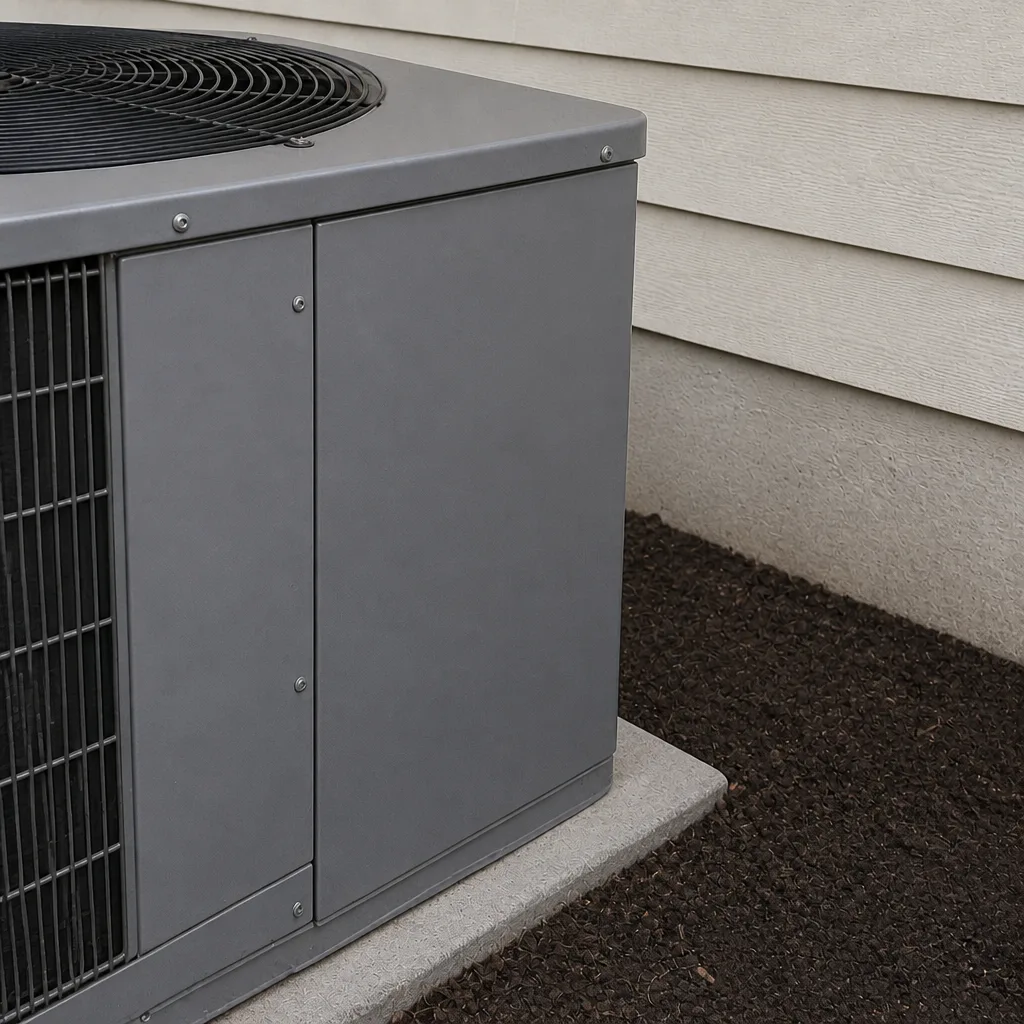
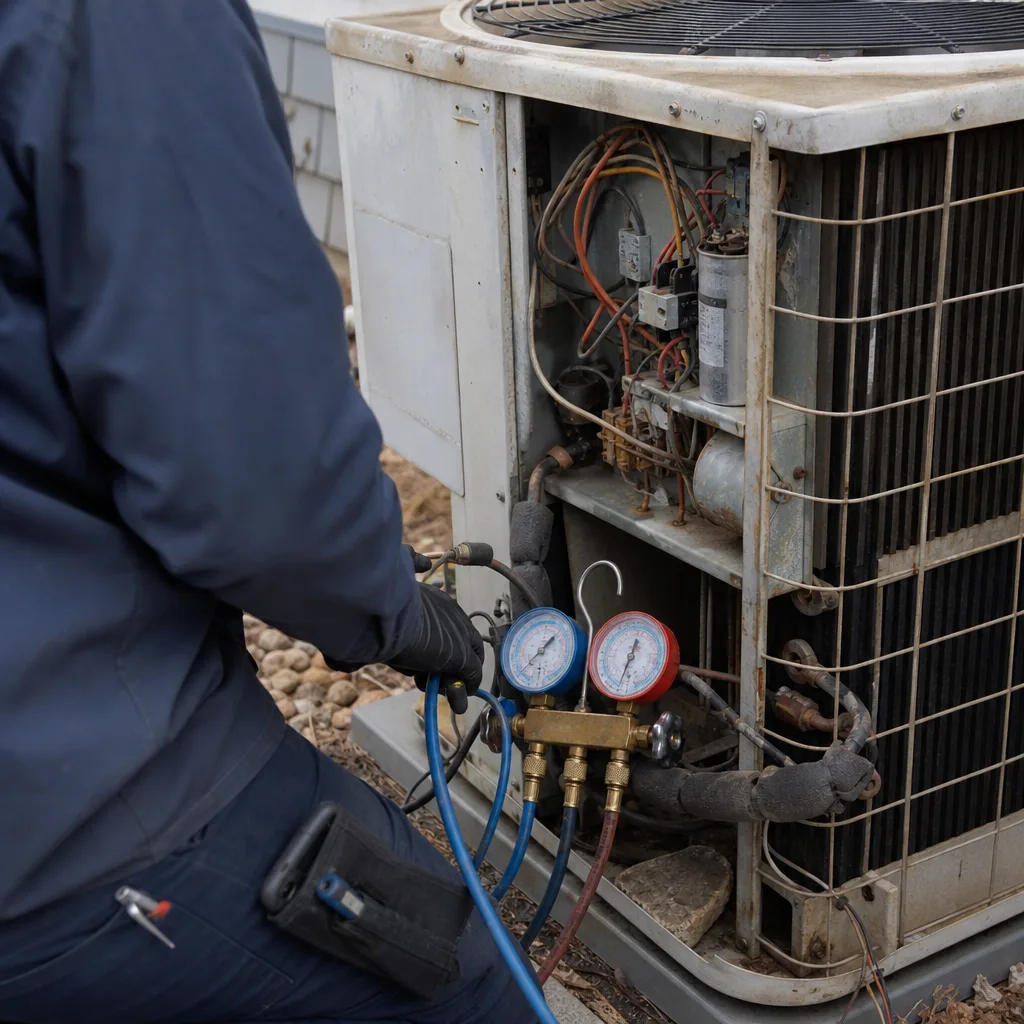
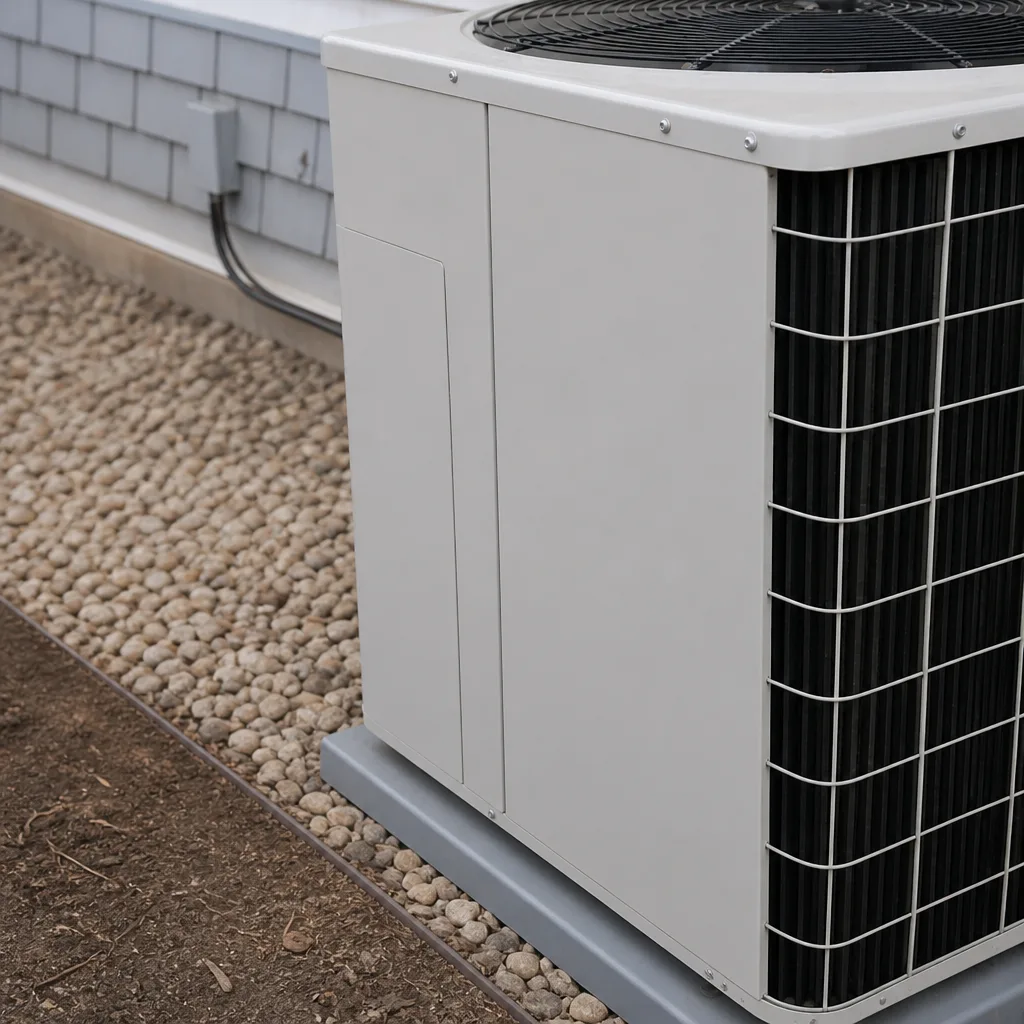
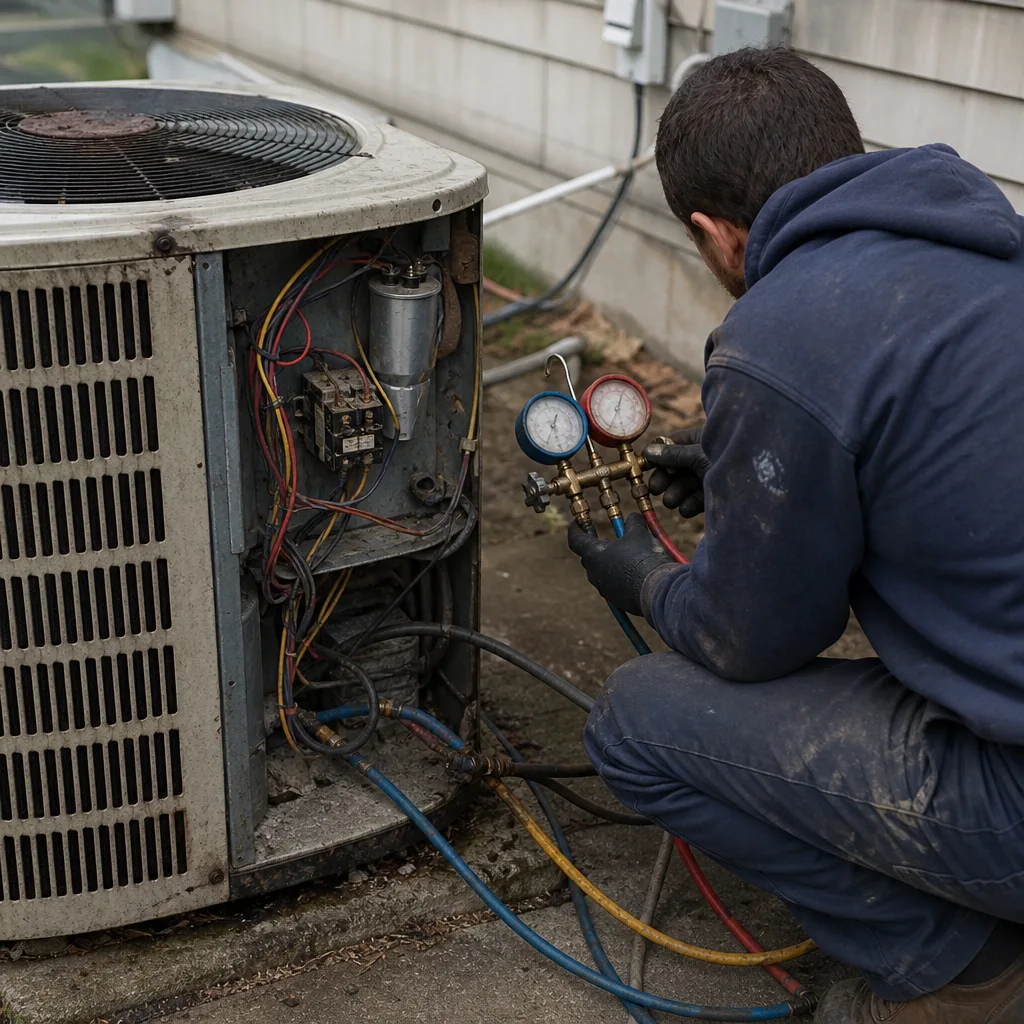
See the difference
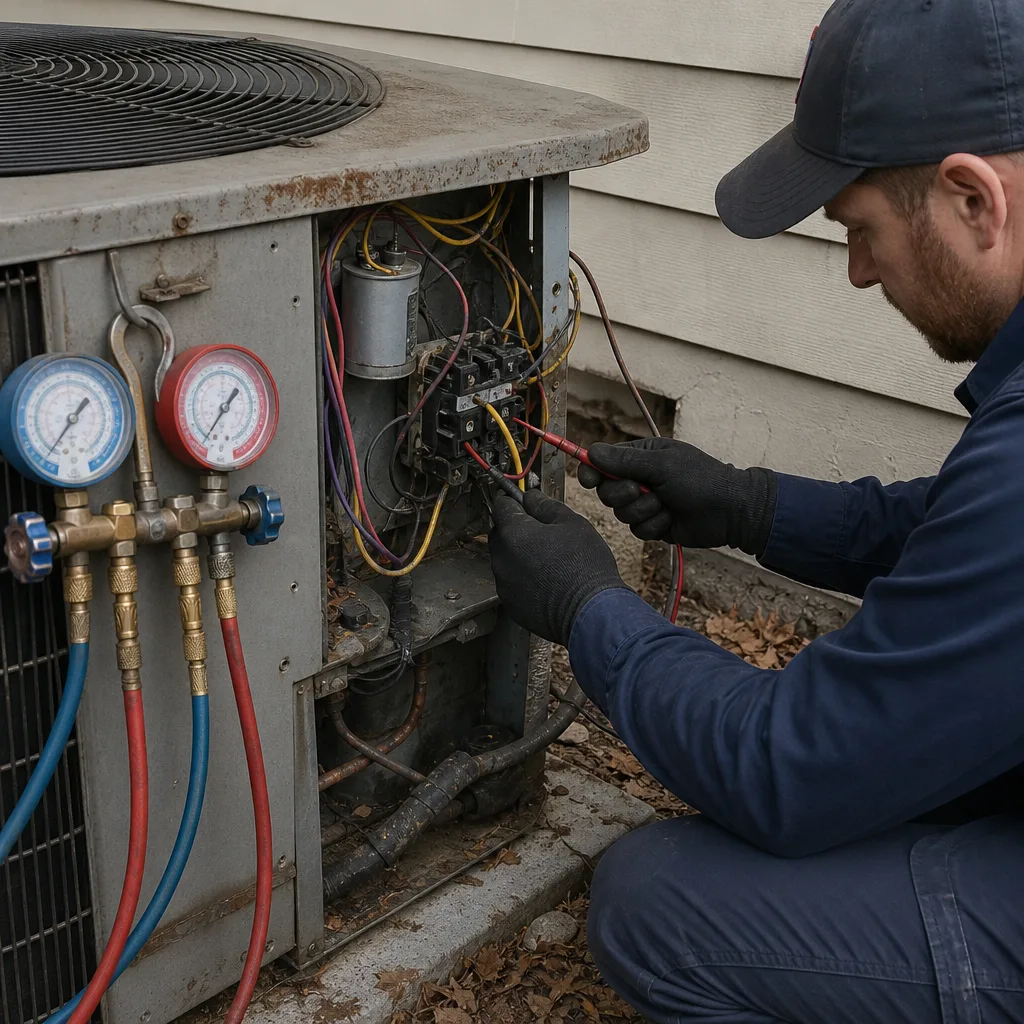 Before
 After
 Before
 After
 Before
 After
When to Call a Professional
Call for service whenever the furnace won’t light after basic checks, whenever the AC won’t cool, whenever a CO alarm goes off, and whenever you smell gas. Don’t run a furnace you suspect has a cracked heat exchanger, and don’t keep resetting a breaker that trips. Some problems you can handle yourself: a filter change, a thermostat battery swap, a tripped breaker reset. The rest need a technician with the right tools and training. Our technicians have up to 15 years of experience across nine major brands. Lockhart AC Repair offers free estimates in Salt Lake City; call (855) 473-8712. We answer 24/7. Fast dispatch from 7am to 7pm, Sunday through Friday.
Frequently Asked Questions
The most common is a furnace igniter failure on one of the coldest nights of the year, followed by compressor failures on the first hot days of June. Both follow seasonal stress patterns and are preventable with pre-season checks. Call (855) 473-8712 for an exact quote; estimates are free.
You can’t always tell without an inspection. Warning signs include a CO alarm going off, soot on the furnace, a yellow or flickering burner flame instead of a steady blue one, and symptoms like headaches or dizziness in the home. If you suspect a crack, shut the furnace off and call a technician. Our technicians have up to 15 years of experience and inspect heat exchangers as part of a furnace service.
Usually, yes, as long as the unit is on a circuit that can handle it and you don’t overload one circuit with several units. It’s a reasonable stopgap while you wait for service. Portable AC units work too. Just don’t try to run the central system if it has a known refrigerant leak.
Get everyone, including pets, outside immediately and call 911 from outside. Don’t re-enter until responders clear the home, and don’t run the furnace until a technician inspects the heat exchanger. A CO event is a furnace-off event until proven otherwise.
No. During an inversion, outside air quality is poor, and opening windows brings pollutants indoors. Keep the house closed, use safe heating alternatives like space heaters, and run a CO alarm. Call (855) 473-8712 if your heating fails during an inversion; we answer 24/7.
We dispatch fast and offer same-day service when you call. Fast dispatch runs from 7am to 7pm, Sunday through Friday, and we’re closed Saturday. If you call outside dispatch hours, we’ll book you into the next opening. Call (855) 473-8712. We answer 24/7.
The Bottom Line
Salt Lake City’s HVAC emergencies are predictable. Compressor failures hit in June, igniter failures in January, and CO events hide in furnaces that seem to be running fine. The preparation that matters happens before the emergency: pre-season checks in spring and fall, a CO alarm in the living area, a pre-emergency information sheet on the fridge, and a contractor you can call. We service nine major brands, handle both heating and cooling, and offer free estimates in Salt Lake City. Call (855) 473-8712. We answer 24/7. Fast dispatch from 7am to 7pm, Sunday through Friday.
Written by the team at Lockhart AC Repair.