
Last updated November 15, 2026
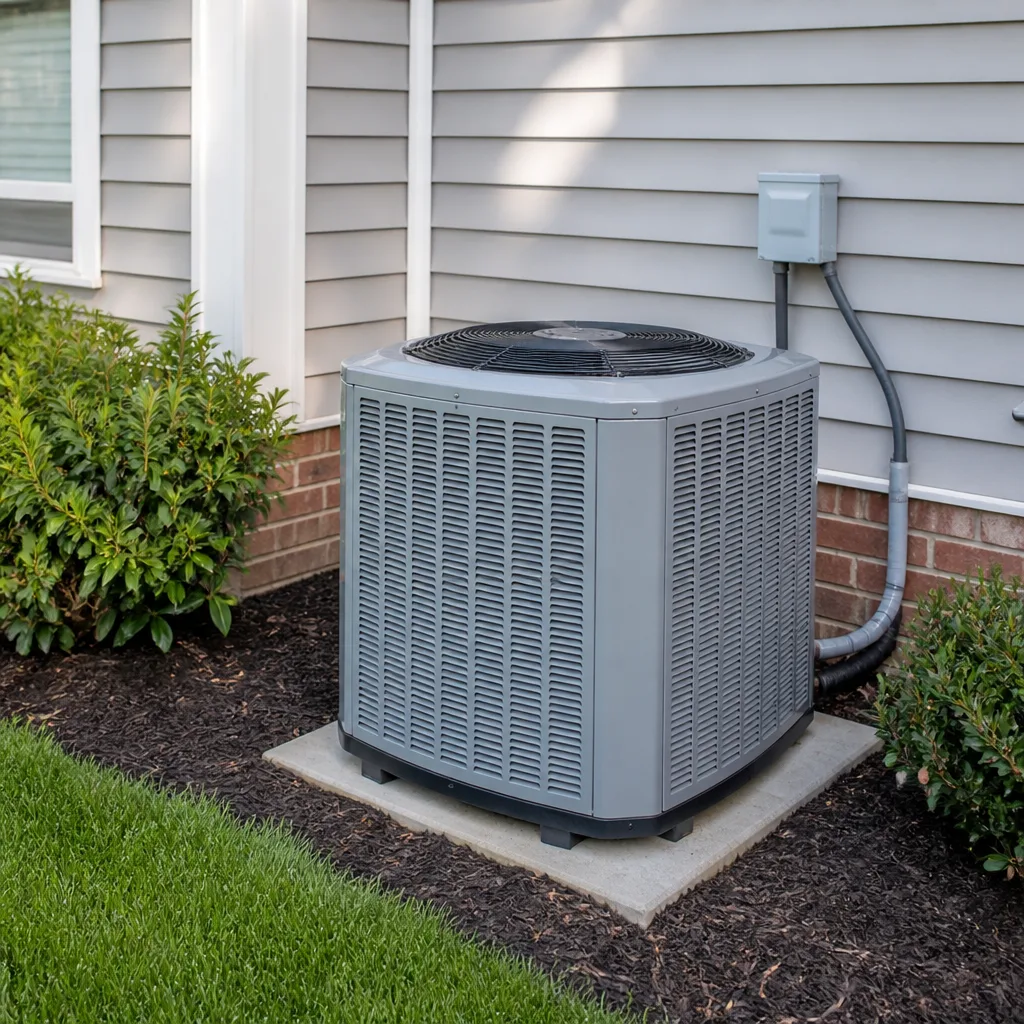 AC repair
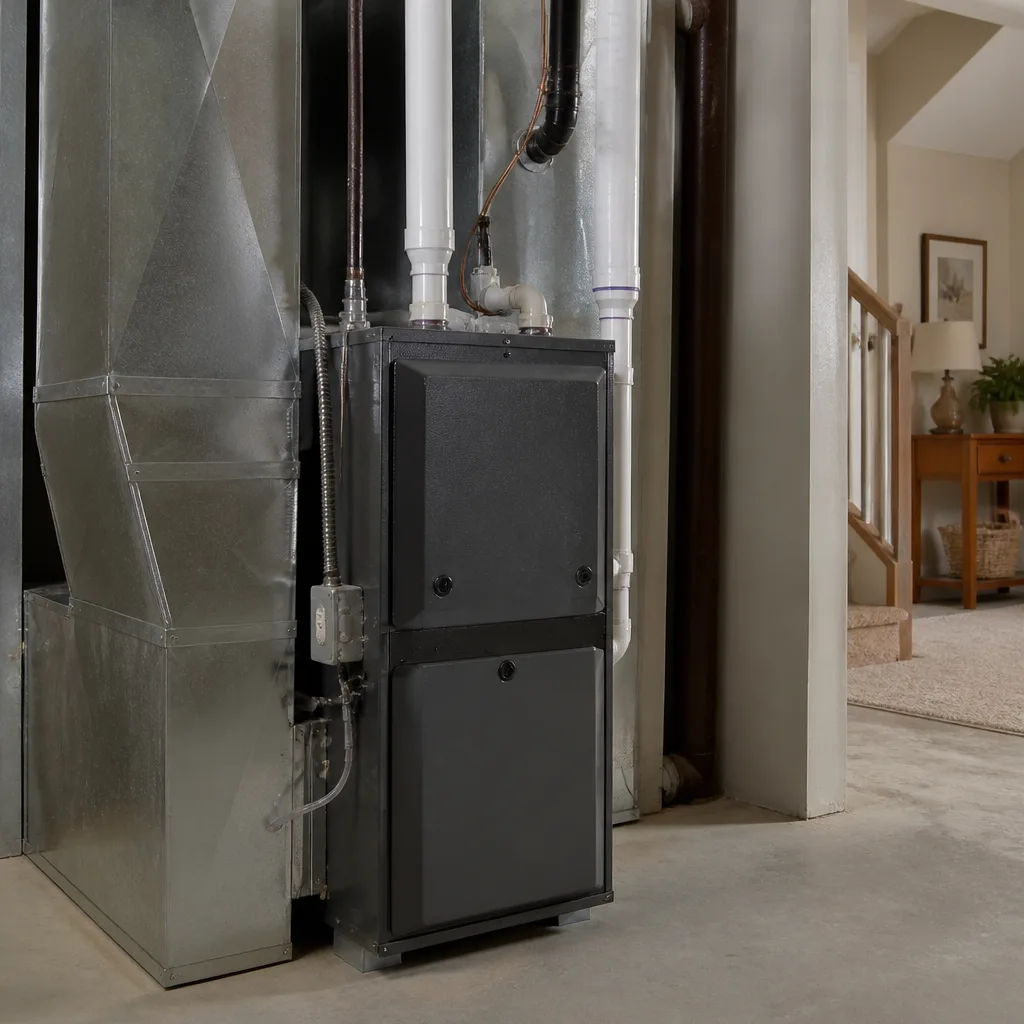 Furnace & heating
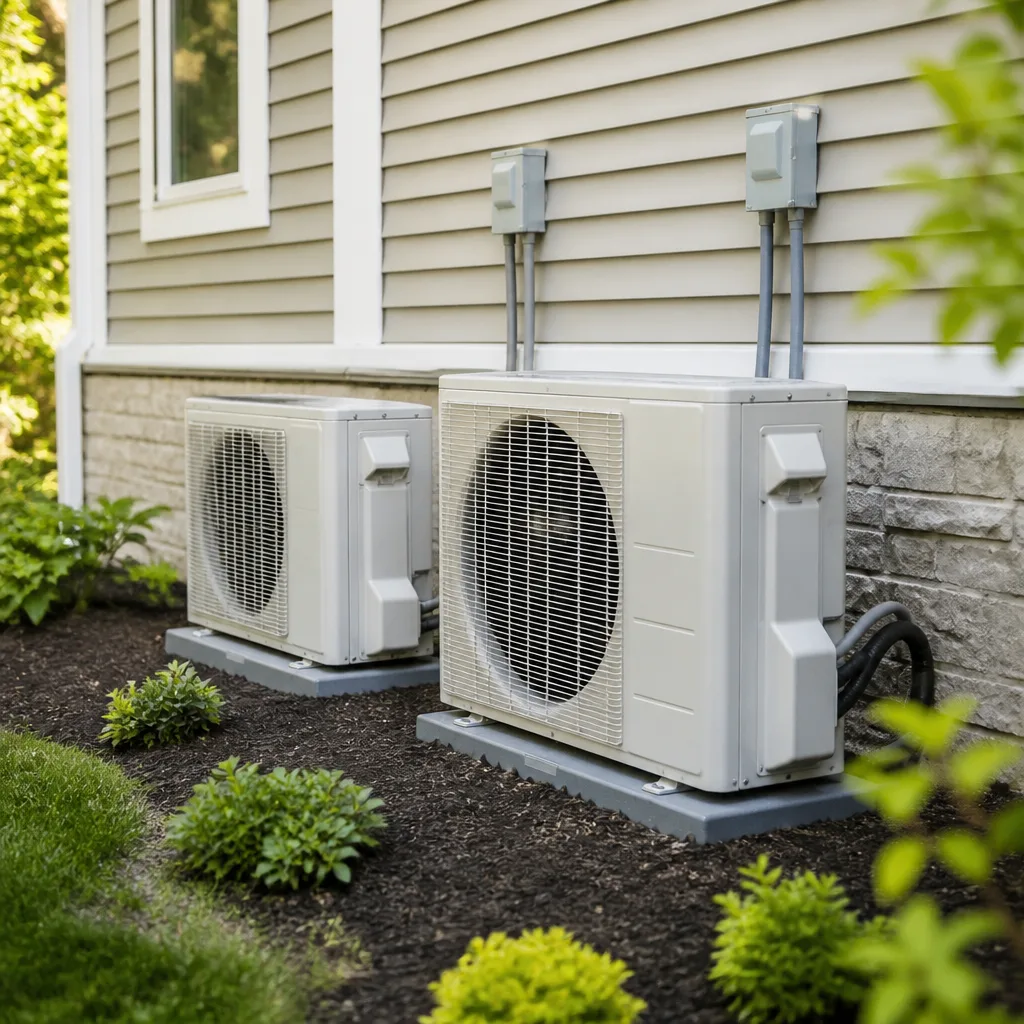 Heat pumps
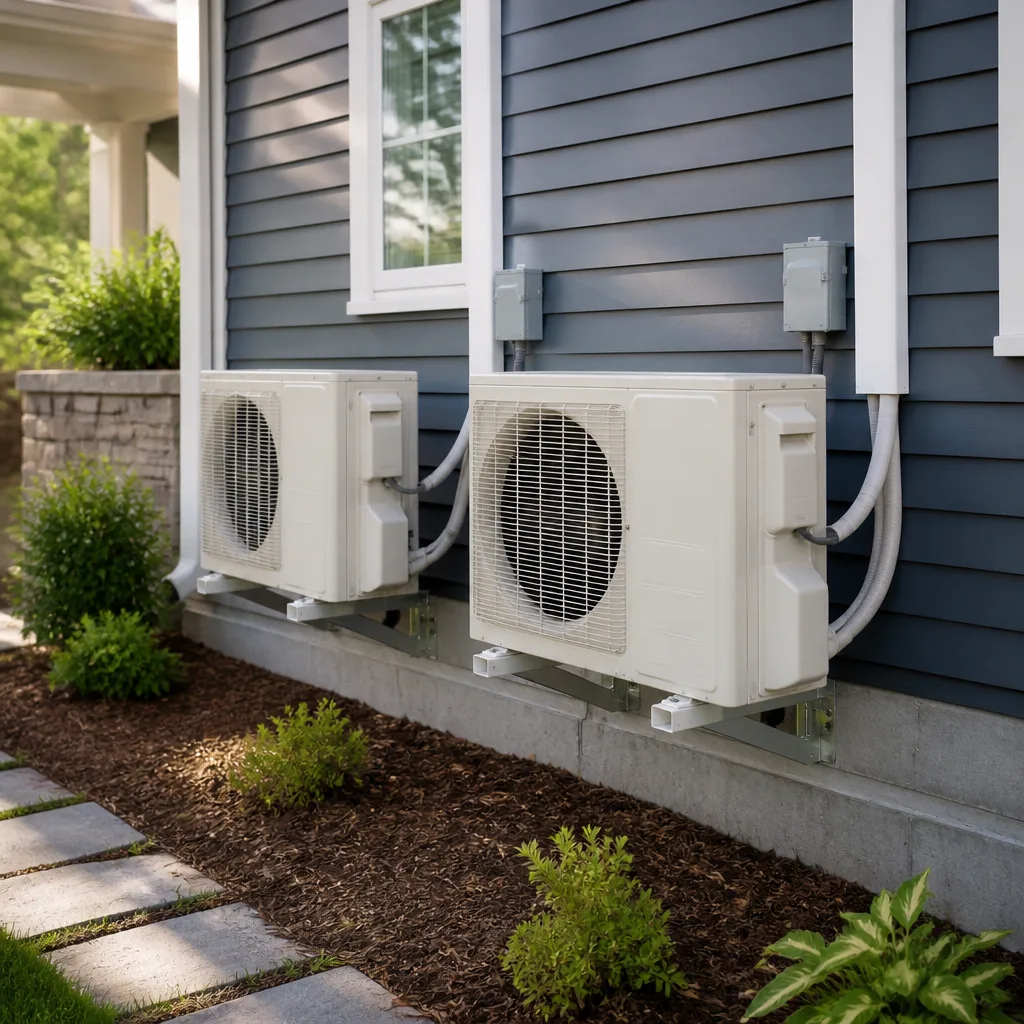 Ductless mini splits
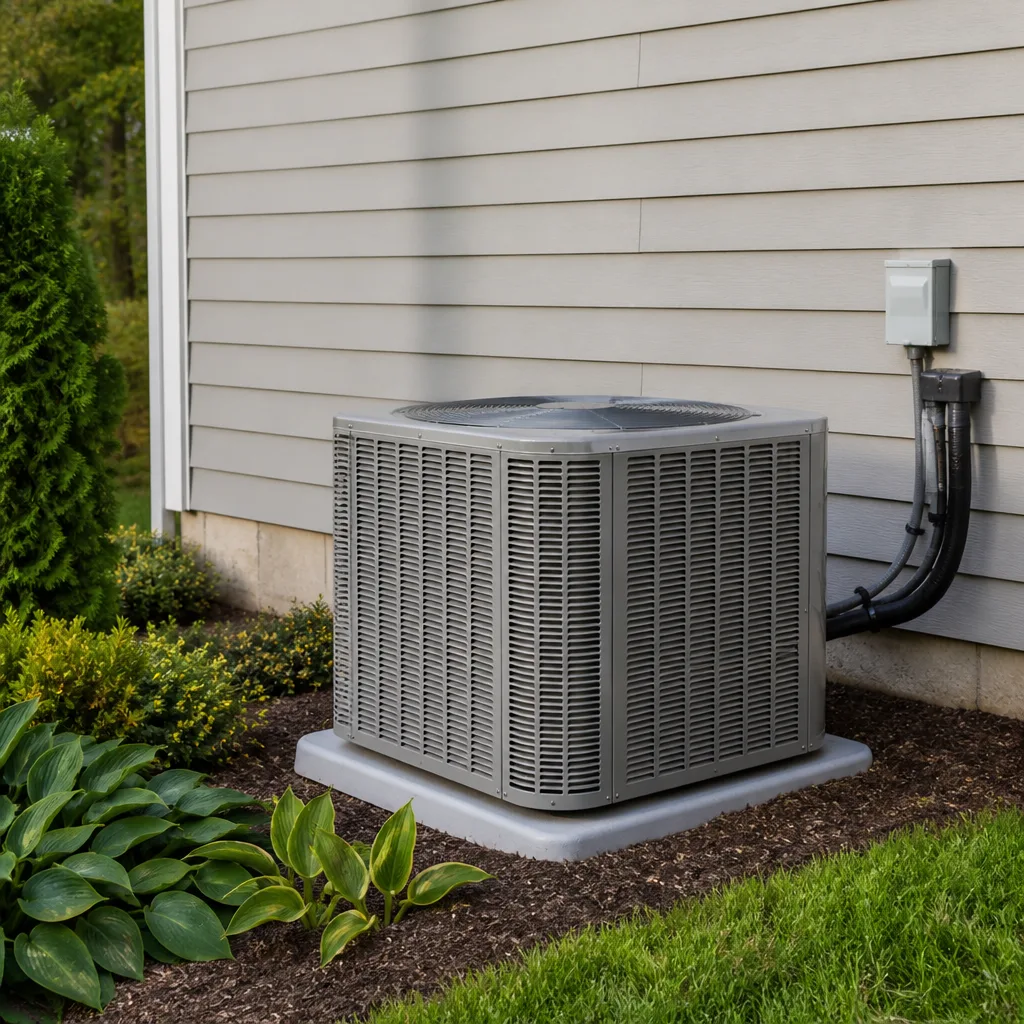 Carrier
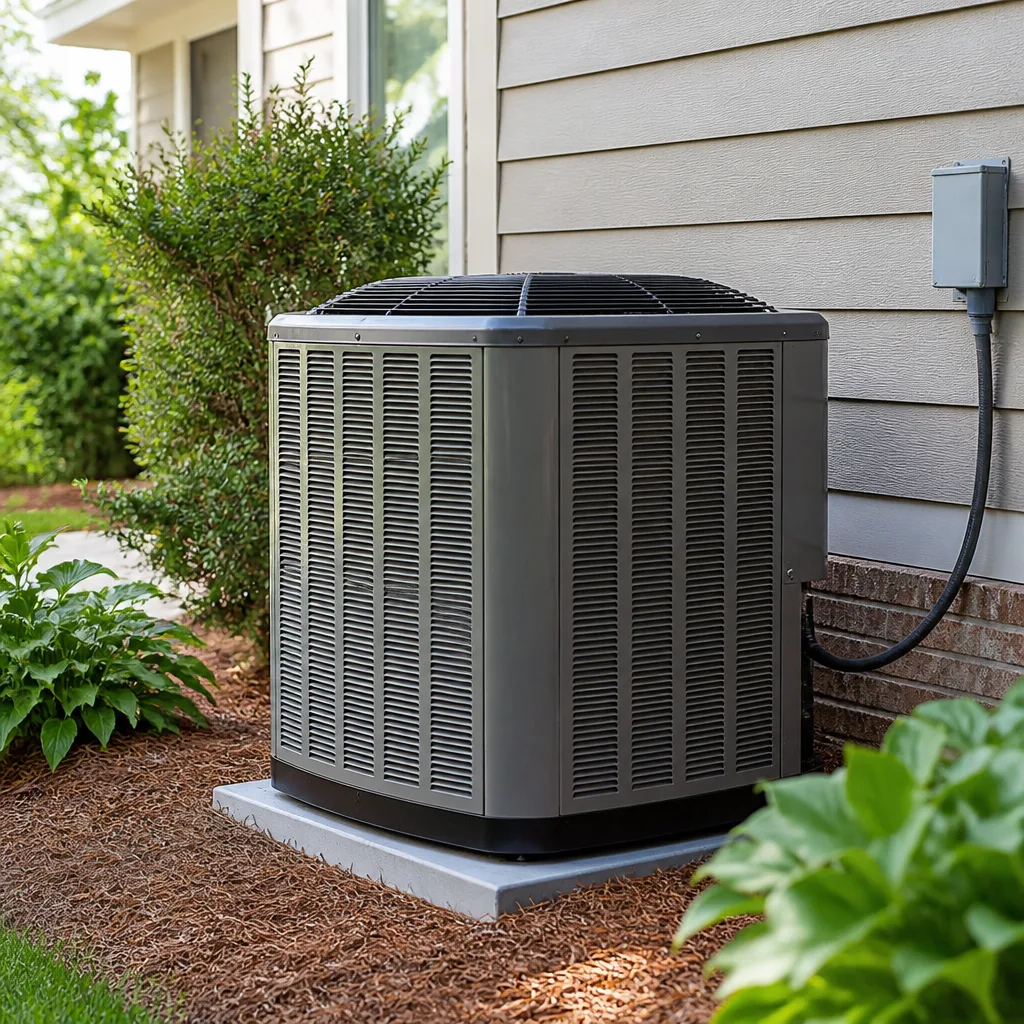 Trane
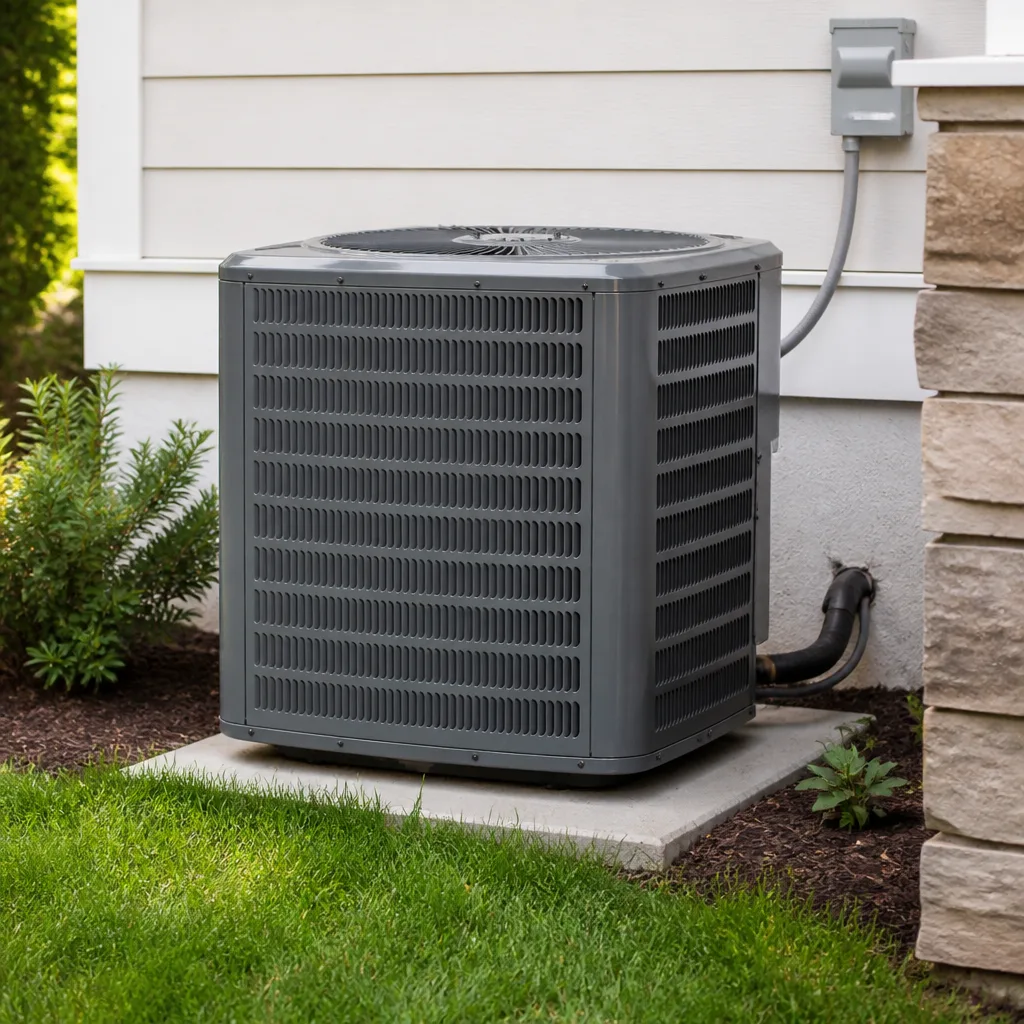 Goodman
Seasonal tune-up and full diagnostic on your Carrier, Trane, or Goodman system - readings shown to you before any repair is proposed
Diagnosis first, numbers second - you approve the repair price before a single part goes in.
Get your free estimateSeasonal HVAC Care for Salt Lake City: Year-Round Homeowner’s Guide
Most homeowners in Salt Lake City treat HVAC care as two events: an AC checkup in spring and a furnace tune-up in fall. That calendar is missing the weeks that matter most. The systems that fail hardest here tend to fail during the shoulder seasons, when equipment sits idle for a stretch and then fires up for the first time under load. January cold and July heat are predictable. The transition weeks are not. This guide walks through seasonal HVAC maintenance for Salt Lake City month by month – when the first and last freezes land, how winter inversion days load your filter, why cottonwood season is a condenser coil problem here in a way it isn’t in most of the country, and how the checklist shifts by the brand of equipment in your home. Whatever brand is in your home, we know it.
Quick Answer
Seasonal HVAC care in Salt Lake City works best as a month-by-month rhythm rather than two annual checkups. The highest-value tasks cluster around the freeze dates (average first freeze October 8, average last freeze May 3) and around winter inversion season from December through February. Systems that get a shoulder-season inspection – coil cleaning before cottonwood season, heat exchanger and inducer checks before the first heating call, and filter swaps timed to inversion days – fail less often and fail less expensively. Our technicians have up to 15 years of experience working the equipment in this valley, and the pattern holds year after year.
Styles & brands we work with
- AC repair
- Furnace & heating
- Heat pumps
- Ductless mini splits
- Carrier
- Trane
- Goodman
Table of Contents
- Why Salt Lake City Needs a Different Maintenance Calendar
- Month-by-Month HVAC Task Calendar for Salt Lake City
- Winter Inversion Season: What It Does to Your System
- Spring AC Prep and the Cottonwood Coil Problem
- The Fall Tasks Most Guides Skip
- How the Checklist Changes by Equipment Brand
- Filter Change Frequency Through the Year
- Repair or Replace? Making the Call After a Seasonal Check
Why Salt Lake City Needs a Different Maintenance Calendar
Salt Lake City sits in a valley with four genuinely distinct seasons and hard swings between them. That’s the whole reason a two-event HVAC calendar underperforms here. In a mild climate, a system can limp from spring checkup to fall tune-up without much happening in between. Here, the shoulder weeks – late September into October and late April into May – are when equipment goes from idle to fully loaded in a matter of days.
The freeze dates anchor everything. The average first freeze in Salt Lake City is October 8. The average last freeze is May 3. That’s roughly seven months of the year with freezing nights on the table, and it shapes how heating equipment is stressed, how condensate lines behave, and when the first real heating load hits a furnace that hasn’t run since spring.
The spring side is just as important, but for a different reason. When the first hot stretch arrives in late May or early June, air conditioners come on across the valley within about the same ten-day window. Any coil that’s been collecting debris since last summer picks that week to show it.
Three things make seasonal timing matter more in Salt Lake City than in a lot of markets:
- Freeze-date edges. Equipment that’s marginal in October becomes a December emergency. The shoulder check is where that gets caught.
- Inversion season. December through February, particulate gets trapped in the valley and loads filters faster than in clean-air months.
- Cottonwood season. Late May into June, cottonwood fluff fills the air and finds its way into condenser coils.
None of those three items show up in a typical spring-AC-and-fall-furnace routine. That’s the gap we’re closing with this guide.
Month-by-Month HVAC Task Calendar for Salt Lake City
A month-by-month view keeps you ahead of the two seasonal transition weeks that produce the most breakdown calls. The tasks below are the ones homeowners can do themselves; the inspections that involve gas, electrical, or combustion belong with a trained technician, which we’ll flag.
January – February
- Check the filter every 3-4 weeks during inversion season. Particulate loads it faster now than at any other point in the year.
- Verify the furnace is keeping up. Long run cycles that never satisfy the thermostat point to a problem worth a look before the next cold snap.
- Clear snow and ice away from the outdoor unit and any exterior vents. Blocked vents cause short cycling and, on high-efficiency equipment, can cause pressure switch faults.
March – April
- Schedule an AC tune-up before the first warm stretch. Late April into early May is the right window; June is too late in a normal year.
- Clean the condenser coil area before cottonwood season starts. Once the fluff is airborne, the coil becomes a filter.
- Test the AC for a short run on the first mild day. A five-minute test in April is a lot cheaper than discovering a failed capacitor in July.
May – June
- Rinse the condenser coil and clear cottonwood fluff from the fins on a regular rhythm through the season.
- Verify the condensate drain is flowing freely. Clogs are the most common summer call that isn’t a cooling failure.
- Check the refrigerant lines for insulation damage from winter.
July – August
- Keep the outdoor unit clear of vegetation on all sides. Airflow is the whole game in peak heat.
- Watch for ice on the indoor coil or refrigerant lines – that’s a sign of low charge or restricted airflow, not a sign the system is working hard.
- Keep the filter on schedule even though you’re not in inversion season. Summer dust here is real.
September – October
- Schedule the fall furnace checkup before the average first freeze on October 8, not after.
- Test the heating cycle on a cool morning before the first hard cold. This is the single most useful thing a homeowner can do.
- Flush and clear the condensate line before it’s carrying winter condensate.
November – December
- Verify the heat exchanger, inducer motor, and gas manifold pressure. These belong with a technician – combustion and gas pressure are not homeowner territory.
- Stock filters for the inversion months so you’re not scrambling through a loaded stretch.
- Re-test the AC’s outdoor disconnect before snow buries it, so spring startup isn’t a surprise.
If you only do four things all year, do these: a spring AC tune-up in late April, a coil cleaning before cottonwood season, a fall furnace check before October 8, and filter changes on an inversion-aware schedule. Those four cover the majority of the failures we see across Salt Lake City.
Winter Inversion Season: What It Does to Your System
Winter inversion season from December through February is a Salt Lake City fact that most general HVAC guides ignore entirely. Cold air settles in the valley, warmer air sits on top, and particulate matter gets trapped in the layer everyone lives in. That has a direct effect on the equipment in your home.
Your furnace filter is the simplest casualty. Fine particulate that would normally disperse instead loads the filter media faster, and a filter that runs four to six weeks in clean months can load up in two to three during inversion. Once a filter is loaded, the furnace works against higher static pressure. Airflow drops, the system runs longer, and in some cases the high-limit switch trips because the furnace can’t move enough air to shed heat.
What that means in practice:
- Change filters on a shorter cycle through December, January, and February. Inspect monthly rather than assuming a time-based schedule.
- Watch for the symptoms of a loaded filter – long heat cycles, weak airflow from registers, a furnace that runs and then drops out. All three point to a filter problem before they point to anything else.
- Keep return-air grilles clear. A blocked return is the other half of the same airflow equation.
- Skip the “wait until the season ends” habit. In inversion season, waiting is how a cheap filter becomes an expensive repair.
One thing worth being clear on: a high-MERV filter will load up faster during inversion, not slower. A high-filtration media is doing its job by catching more particulate, but on a furnace that isn’t set up for the extra pressure drop, that trade can backfire. If you use a high-MERV filter, check it more often, not less.
The furnace itself needs a technician’s eye during or just before inversion season, because the symptoms of a restricted-airflow problem and the symptoms of a combustion problem can look similar from the thermostat. A restricted heat exchanger and a failing inducer motor both show up as a furnace that runs and then quits. Sorting which one you have is not a DIY call.
Spring AC Prep and the Cottonwood Coil Problem
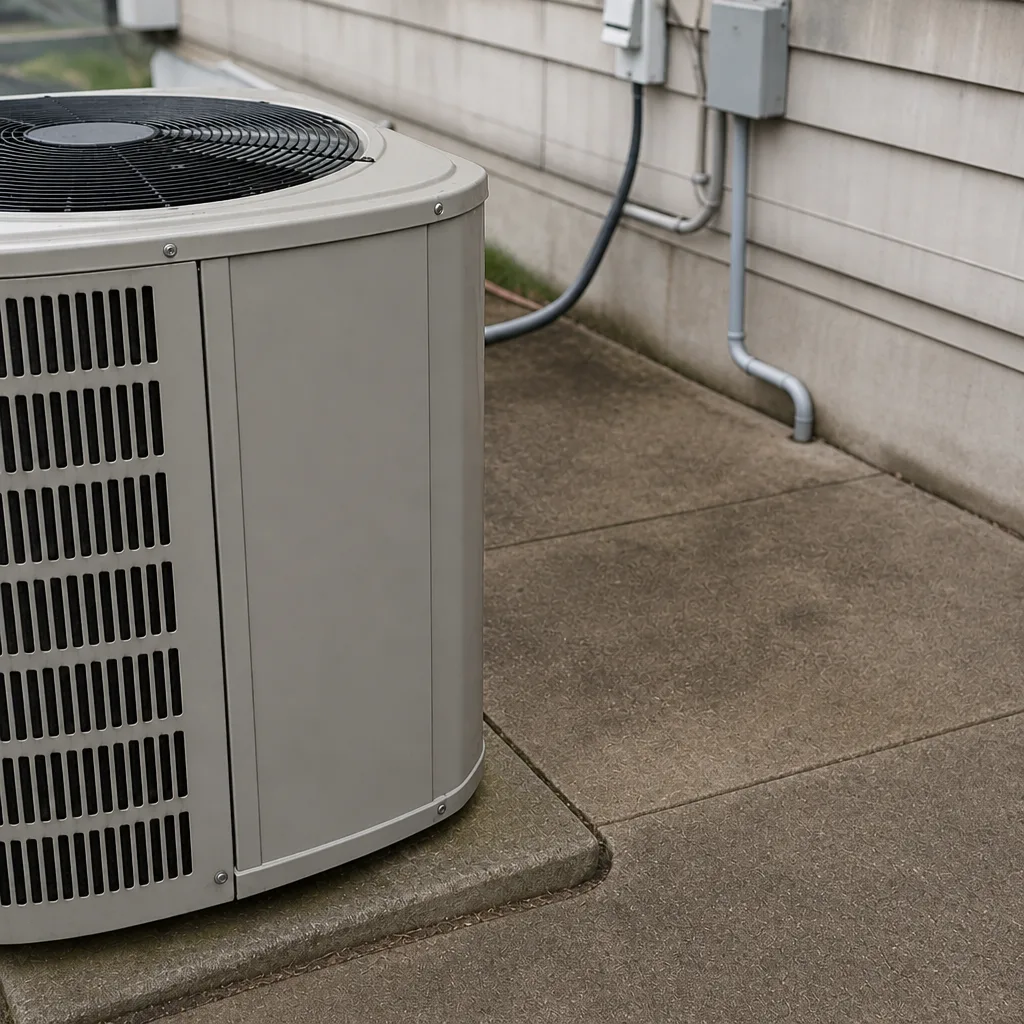
Cottonwood season in Salt Lake City is a genuine condenser-coil problem in a way it isn’t in most of the country. Late May into June, cottonwood fluff fills the air, and it finds its way onto every condenser coil in the valley. Unlike dust, which rinses off easily, cottonwood fluff mats into a dense felt-like layer against the fins. That layer blocks airflow, drives head pressure up, and starts the system working harder than it should at exactly the time of year it’s needed most.
Once cottonwood fluff is matted in, a garden hose usually won’t lift it. The pattern we see across Salt Lake City is a coil that looks clean from the outside but is choked on the back side, and the homeowner has no idea until the system can’t keep up in July.
The spring AC prep that actually helps here:
- Clean the coil before cottonwood season starts, not during it. Late April to early May is the window.
- Clear the area around the outdoor unit so fluff isn’t trapped against the coil housing.
- Recheck the coil weekly during cottonwood season and rinse what’s caught if it’s still loose.
- Schedule a professional coil cleaning if fluff has already matted in – it usually needs a proper coil cleaner and pressure, not a garden hose.
The other spring task worth doing is verifying the system actually starts and runs. A capacitor that was tired last fall is more tired now, and testing it in April is easy. Testing it in July during a heat wave, with the whole valley thinking the same thing, is not.
If your system needs more than a tune-up this spring, AC installation is a load-calculated, scheduled job. It’s not a same-day swap. That’s part of why we recommend starting the conversation in the shoulder season.
The Fall Tasks Most Guides Skip
Most fall HVAC checklists stop at “change the filter, schedule a tune-up.” That’s the easy part. The tasks that actually prevent December failures are the ones most guides leave out, because they require a technician and a genuine understanding of the equipment.
Three fall tasks belong on every Salt Lake City furnace check before the average first freeze on October 8:
- Heat exchanger inspection. The heat exchanger is what separates combustion gases from the air that heats your home. Cracks are a real safety concern and aren’t visible to a homeowner. A proper inspection in fall catches problems while there’s time to plan, not in the middle of a cold snap. This is not a DIY check – combustion gas is a serious health risk, and a trained technician should be the one looking at it.
- Inducer motor operation. The inducer motor pulls combustion gases out through the flue. If it’s slow to start or draws more current than it should, the furnace’s pressure switch will eventually shut the system down. That failure usually arrives on the coldest night of the year. Verifying inducer operation in fall is a straightforward test that saves a middle-of-winter repair.
- Gas pressure at the manifold. Manifold pressure that’s off – high or low – affects how the burners light and burn. Low pressure means weak flame and shorter cycles. High pressure means a hotter flame than the equipment was designed for. Adjusting it correctly requires a manometer and training; this is one to leave to a technician.
One fall task homeowners can do themselves is testing the heating cycle on the first genuinely cool morning. That’s the earliest signal that something’s off, and it gives you time to schedule rather than panic. If the furnace doesn’t come on, doesn’t stay on, or produces any smell that isn’t normal furnace operation, we answer 24/7. Fast dispatch from 7am to 7pm.
How the Checklist Changes by Equipment Brand
One of the reasons homeowners get stuck with an outdated maintenance calendar is that the checklist in most guides is generic. In practice, the shoulder-season priorities differ depending on the equipment in the home. A Daikin heat pump has a different set of fall tasks than a Goodman gas furnace paired with a Carrier air conditioner. A Rheem gas furnace has its own pattern. A York split system behaves differently again.
The differences that matter most in a Salt Lake City climate:
Daikin heat pump systems
Heat pumps run year-round, so the shoulder-season “idle” problem doesn’t apply in the same way – the equipment is already moving refrigerant every day. The priorities shift toward refrigerant charge, defrost cycle behavior in cold mornings, and coil cleaning before cottonwood season. A heat pump with a slightly low charge will run long cycles in October without ever showing a clear fault, which is why an early fall check is more useful than a mid-winter one.
Goodman and Rheem gas furnaces
Gas furnaces sit idle through the summer, so the fall startup is the highest-risk moment of the year. The inducer motor, the pressure switch, and the flame sensor all need verification before the first heavy heating call. The flame sensor especially – it gathers a thin oxide layer during the idle season and can fail on the first cold morning.
Carrier and York split systems (gas furnace plus AC)
Split systems need both sides of the checklist run separately. The AC side is a spring task; the furnace side is a fall task. The condenser coil cleaning has to happen before cottonwood season; the heat exchanger inspection before the first freeze. Those don’t overlap, which is why a split system benefits most from two scheduled visits rather than one combined tune-up.
What’s common across brands
Filter maintenance, airflow, and coil cleanliness behave the same way on every brand. That’s why those four tasks – filter schedule, coil cleaning, spring AC test, fall heat test – are universal. What changes is the technician’s diagnostic priority once they’re actually on the system.
Lockhart AC Repair is trained and experienced on nine major HVAC brands: Carrier, Trane, Lennox, Goodman, Rheem, York, Daikin, Bryant, and American Standard. If your system is one of them, you won’t hear “we don’t service that brand” from us. If your equipment is ready for furnace repair rather than a tune-up, the same technicians handle it. One call covers your furnace and your AC.
Filter Change Frequency Through the Year
A flat 90-day filter schedule is one of the most common reasons furnaces in Salt Lake City underperform. The right interval here changes with the season. The table below reflects what we recommend as a starting point, adjusted upward for homes with pets or heavy dust.
- December – February (inversion season): inspect every 2-3 weeks. Replace when visibly loaded, not on a calendar.
- March – April (spring dust and pollen start): inspect every 4 weeks.
- May – June (cottonwood season): inspect every 3-4 weeks. Cottonwood fluff catches in return grilles and filter media as well as the condenser coil.
- July – August (peak cooling): inspect every 4-6 weeks.
- September – November (fall shoulder): inspect every 4 weeks. Falling leaves and early inversion days both shorten the interval.
Two things to keep in mind. A high-MERV filter captures more particulate but restricts airflow more, so it needs to be checked more often – not treated as a “change it and forget it” option. And a filter that shows a visible dark band across the middle is loaded no matter how recently it was installed; replace on visual inspection, not the number of days since you last changed it.
Repair or Replace? Making the Call After a Seasonal Check
A seasonal check sometimes surfaces a bigger question: is this system worth another season, or is it time to plan a replacement? Here’s how we think about it, and how we explain it to homeowners in Salt Lake City.
Repair makes sense when:
- The failing part is a wear item – capacitor, blower motor, igniter, flame sensor, pressure switch – and the rest of the system is healthy.
- The repair cost is a fraction of replacement and the equipment has years of life left.
- The equipment has a good track record across its seasons.
Replacement makes more sense when:
- The repair is on an expensive component like a heat exchanger, compressor, or control board, and major parts are failing more than once per season.
- Efficiency has dropped and the system struggles to keep up in peak heat or peak cold.
- The technician finds a safety issue – especially on a gas furnace heat exchanger – that can’t be reliably corrected.
Because our full scope covers AC installation, furnace repair, and furnace replacement under one roof, we can be honest about which side of that line you’re on. A repair-only shop has no reason to recommend replacement. An install-only shop has no reason to repair. We do both, so the recommendation follows the system, not a quota. If replacement is the honest answer, we’ll explain it clearly. If a repair keeps the equipment running for years, we’ll tell you that.
When replacement is the direction, brand-neutral recommendations matter. Because we’re not locked into a single manufacturer’s dealer program, the equipment we recommend for your Salt Lake City home is based on the home and the budget, not a brand quota. We service the system you have, not the one we prefer to sell.
Common Mistakes to Avoid
- Waiting until the first hot week to schedule an AC tune-up. In Salt Lake City, everybody calls in the same ten-day window. The right time is late April through early May, before the valley wakes up to summer.
- Skipping the fall furnace test. Running the heat for five minutes on a cool morning in September is the cheapest diagnostic there is. If something’s wrong, you know it while there’s still time to schedule.
- Ignoring the condenser coil through cottonwood season. Cottonwood fluff mats into the fins faster here than almost anywhere. By the time the system can’t keep up, the coil usually needs a professional cleaning rather than a rinse.
- Running one filter schedule all year. Inversion season loads a filter in weeks, not months. Inspect monthly from December through February and adjust.
- Assuming a high-MERV filter is automatically better. Higher filtration restricts airflow more. If the furnace wasn’t set up for the extra pressure drop, it becomes a problem, especially during inversion.
- Treating “system runs longer than usual” as normal aging. Long cycles that never satisfy the thermostat are usually airflow, charge, or combustion – all things that get cheaper the earlier they’re diagnosed.
- Buying a replacement without asking why. If a repair would give you years of service, a good technician will tell you so. If they won’t explain the reason, get a second opinion.
See the difference
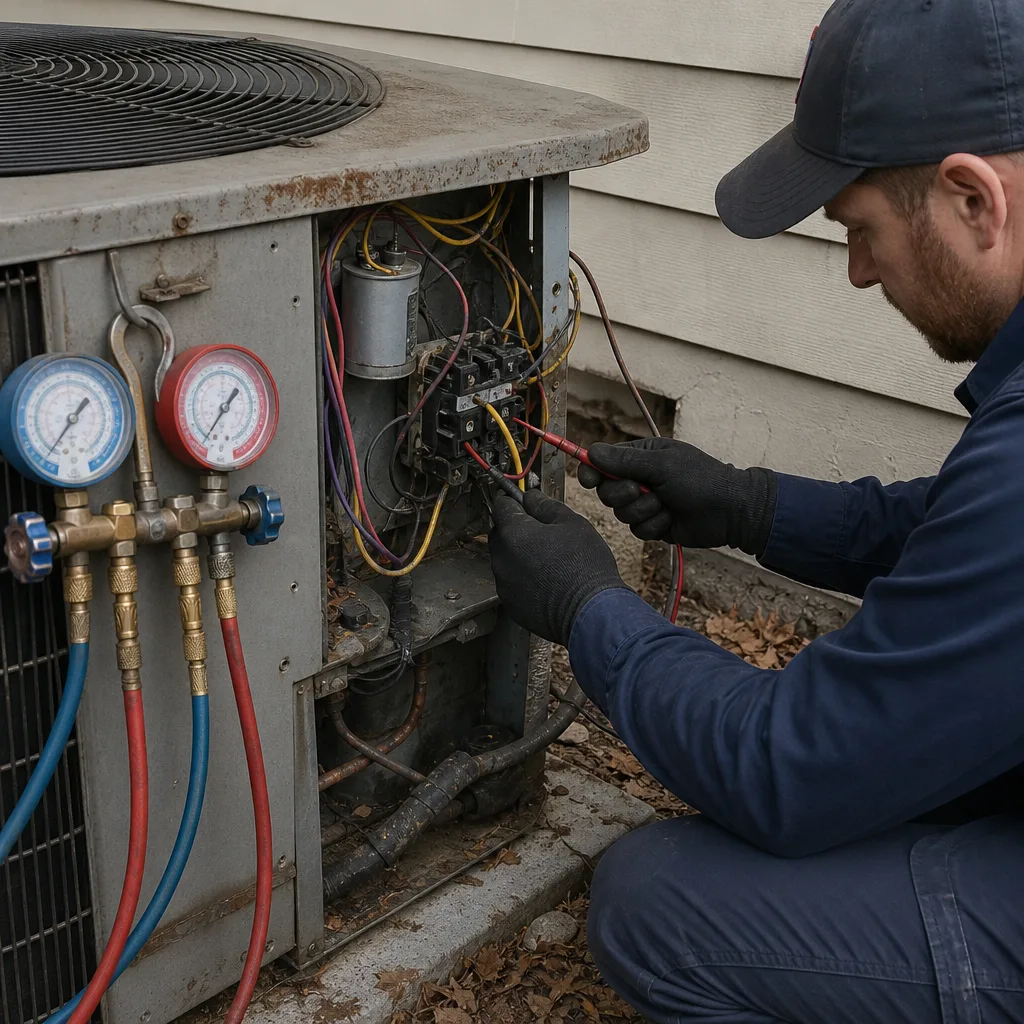 Before
 After
 Before
 After
 Before
 After
When to Call a Professional
Some seasonal tasks belong with a trained technician, and we’d rather you call than guess. Call us when any of these show up:
- The furnace runs, then shuts down before reaching temperature. That pattern points to airflow, flame sensor, or a combustion fault – the last of which is a real safety concern.
- You smell gas, exhaust, or any unusual odor near the furnace.
- The heat exchanger, inducer motor, or gas manifold pressure needs verification. These involve combustion and gas, and shouldn’t be a DIY job.
- The AC runs but doesn’t cool, or the indoor coil ices up. Both are refrigerant- or airflow-related and need proper diagnosis.
- You’re not sure whether the system is worth another season, and you want an honest read rather than a sales pitch.
Lockhart AC Repair offers free estimates in Salt Lake City. We answer 24/7. Fast dispatch from 7am to 7pm, Sunday through Friday. Call (855) 473-8712 for a free estimate. Our technicians have up to 15 years of experience working the equipment that’s actually in your home, and our written estimate sets the final price per job.
Frequently Asked Questions
Twice a year at minimum – once in late April for the AC side, once in late September for the furnace side – plus monthly filter inspections through inversion season. The late April visit is timed before cottonwood season and the late September visit is timed before the average first freeze on October 8. Two well-timed visits cover almost all the seasonal risk in this valley. Call (855) 473-8712 to schedule either one.
The average first freeze in Salt Lake City is October 8, and the average last freeze is May 3. Those dates anchor the fall and spring checklist. The fall furnace inspection should happen before October 8, and the spring AC tune-up should happen before May 3 – ideally in late April. If you’re not sure your timing is right, call and we’ll help you plan.
Because winter inversion season from December through February traps fine particulate in the valley, and your furnace filter catches it. During inversion, filters can load in two to three weeks instead of the four to six you’d see in cleaner months. Inspect monthly through December, January, and February, and replace on visual inspection rather than on the calendar.
Cottonwood fluff fills the air in late May into June across Salt Lake City, and it mats into a felty layer on the condenser coil that a garden hose usually won’t lift. That layer blocks airflow and pushes the system to work harder than it should. The fix is a coil cleaning before cottonwood season, plus regular rinses through it. If your coil is already choked, we can handle the cleaning. Call (855) 473-8712 for a free estimate.
Yes. A Daikin heat pump runs year-round, so the shoulder-season idle problem doesn’t apply – the priorities shift to refrigerant charge, defrost cycle behavior, and coil cleaning before cottonwood season. Gas furnaces from Goodman, Rheem, or any other brand sit idle through summer, so their highest-risk moment is the fall startup. Our technicians have up to 15 years of experience on both configurations, so we adjust the checklist to the equipment in your home.
Often, yes – especially on standard summer repairs like capacitors, condensate clogs, and control faults. Same-day service is available on repair calls. Installation is different: a new system is load-calculated, ordered, and scheduled, so we’ll set a firm install date and a written fixed price rather than promise same-day. Call (855) 473-8712. We answer 24/7. Fast dispatch from 7am to 7pm, Sunday through Friday.
The Bottom Line
Salt Lake City’s four-season swing rewards a seasonal maintenance rhythm instead of two annual checkups. The dates that matter: average first freeze October 8, average last freeze May 3, inversion season December through February, cottonwood season late May into June. Four tasks cover most of the risk – a spring AC tune-up in late April, a coil cleaning before cottonwood season, a fall furnace check before the first freeze, and a filter schedule that shortens during inversion. Add the fall tasks most guides skip – heat exchanger inspection, inducer motor verification, manifold gas pressure – and you’ve closed the gap that produces the highest rate of emergency HVAC calls in Salt Lake City.
Whatever brand is in your home, if you’d rather have a trained technician walk the system than guess at the shoulder-season checklist yourself, that’s exactly what we’re here for. Lockhart AC Repair offers free estimates in Salt Lake City, we answer 24/7, and we run fast dispatch from 7am to 7pm. Call (855) 473-8712 for a free estimate, and we’ll tell you the truth about what your system needs – repair or replace.
If you’re looking for an HVAC company that covers both sides of your home’s comfort without sending you to a different contractor, you can start at Lockhart AC Repair and check whether we cover your neighborhood in Salt Lake City. Nine brands. One team.
Written by the team at Lockhart AC Repair.