
Last updated November 15, 2026
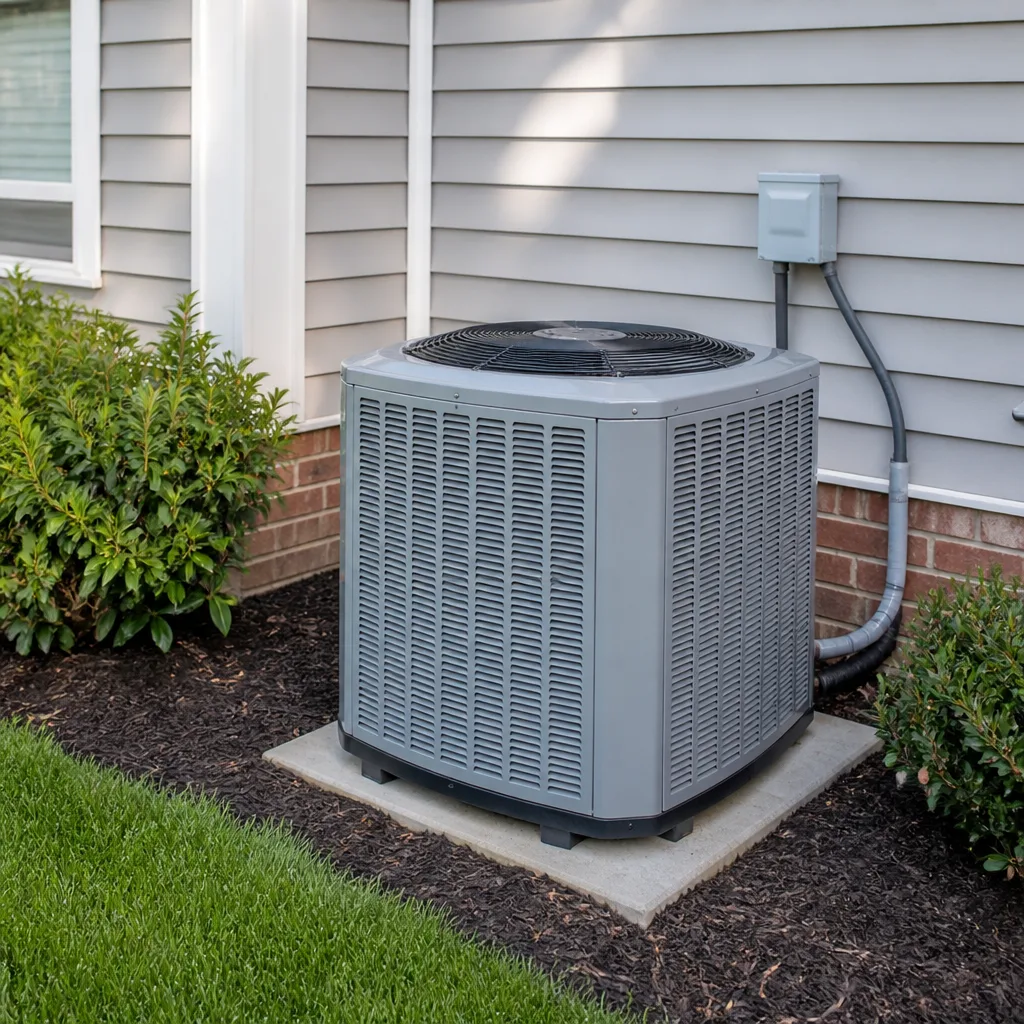 AC repair
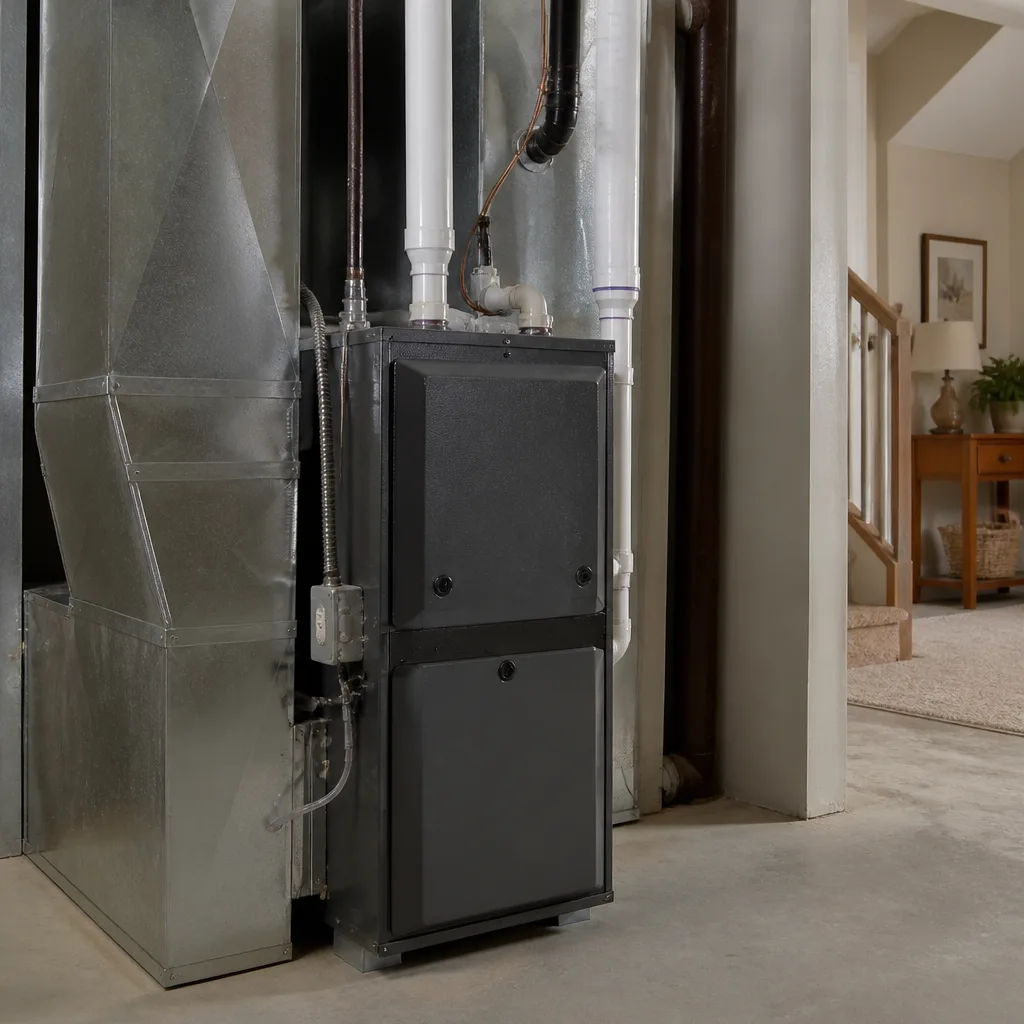 Furnace & heating
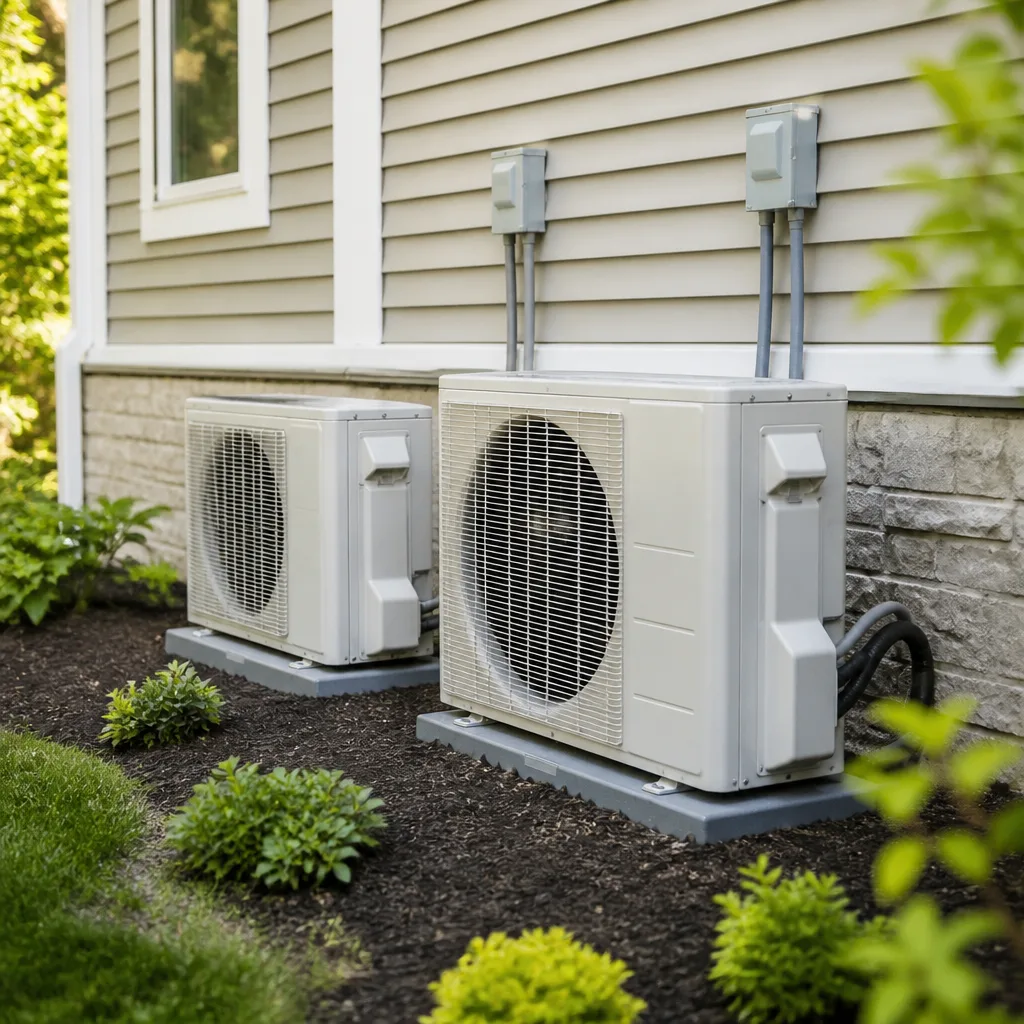 Heat pumps
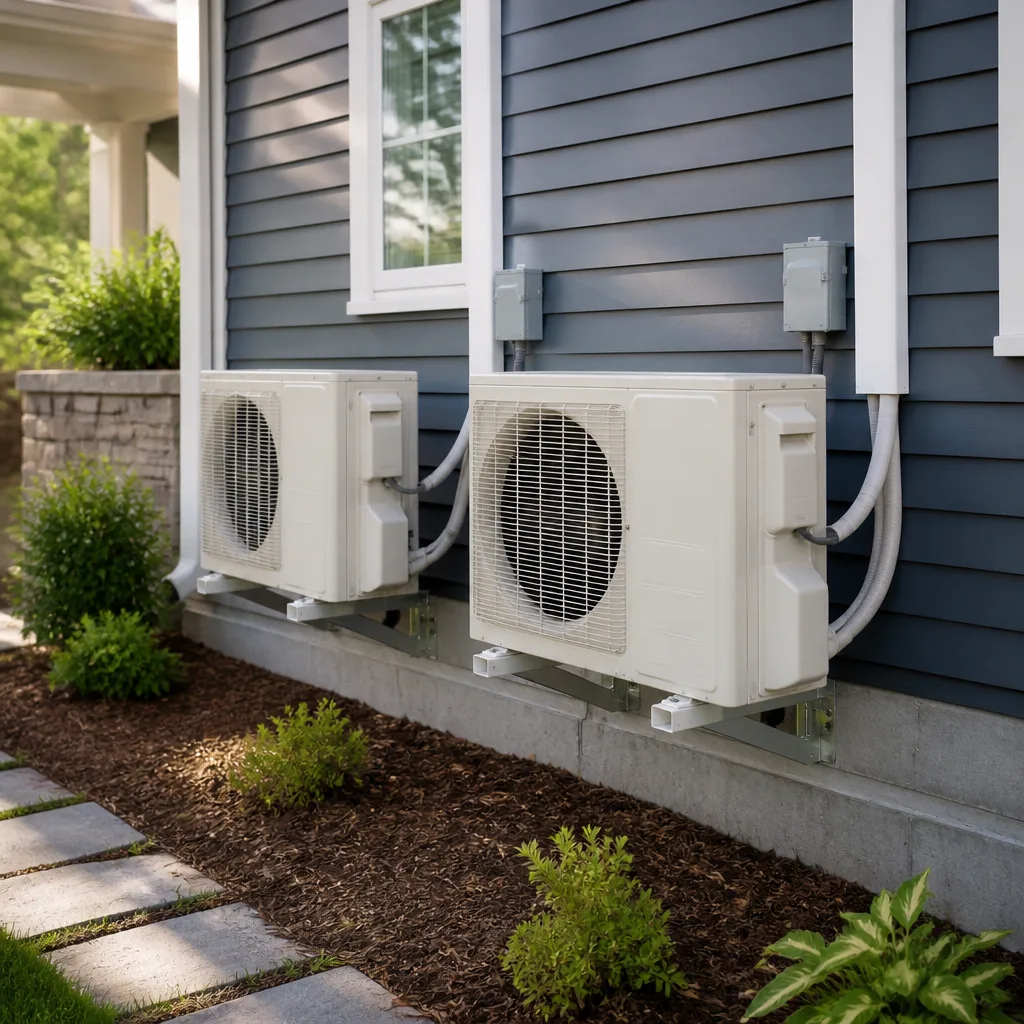 Ductless mini splits
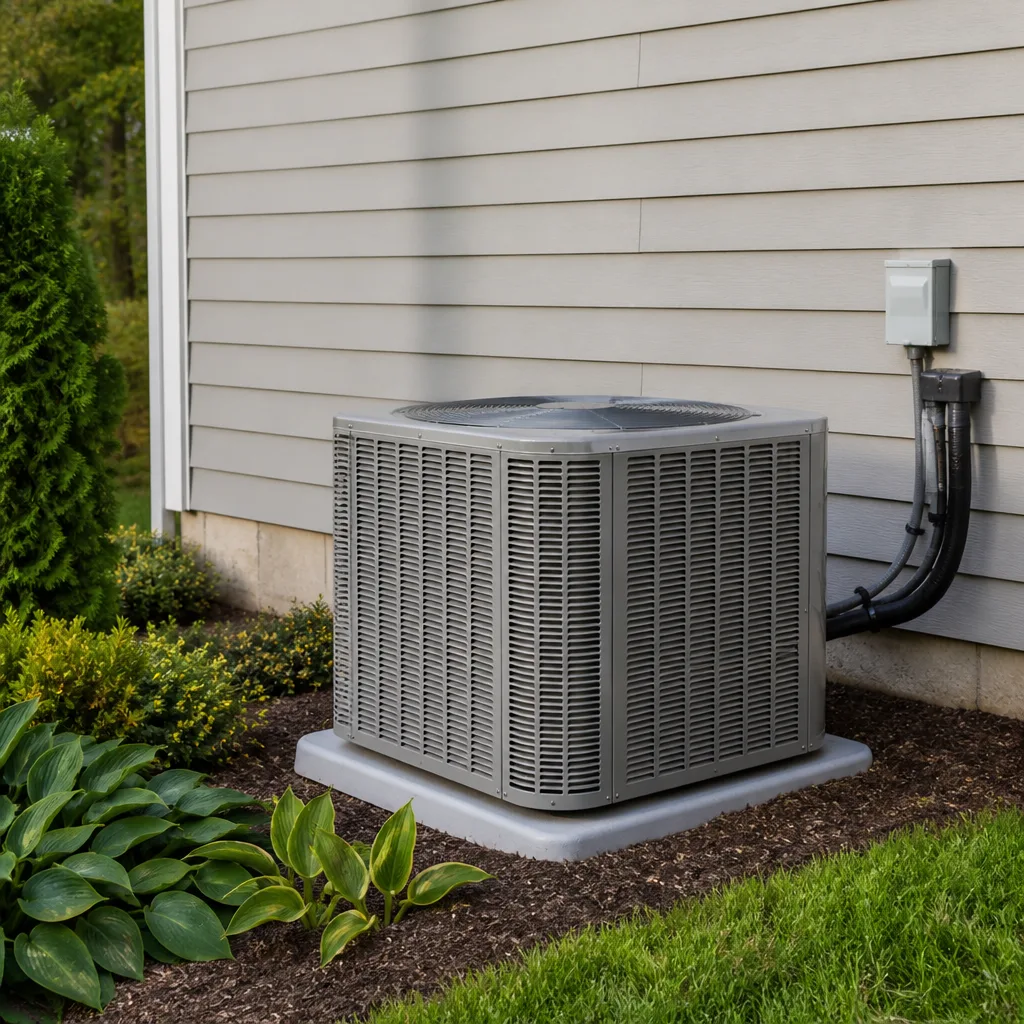 Carrier
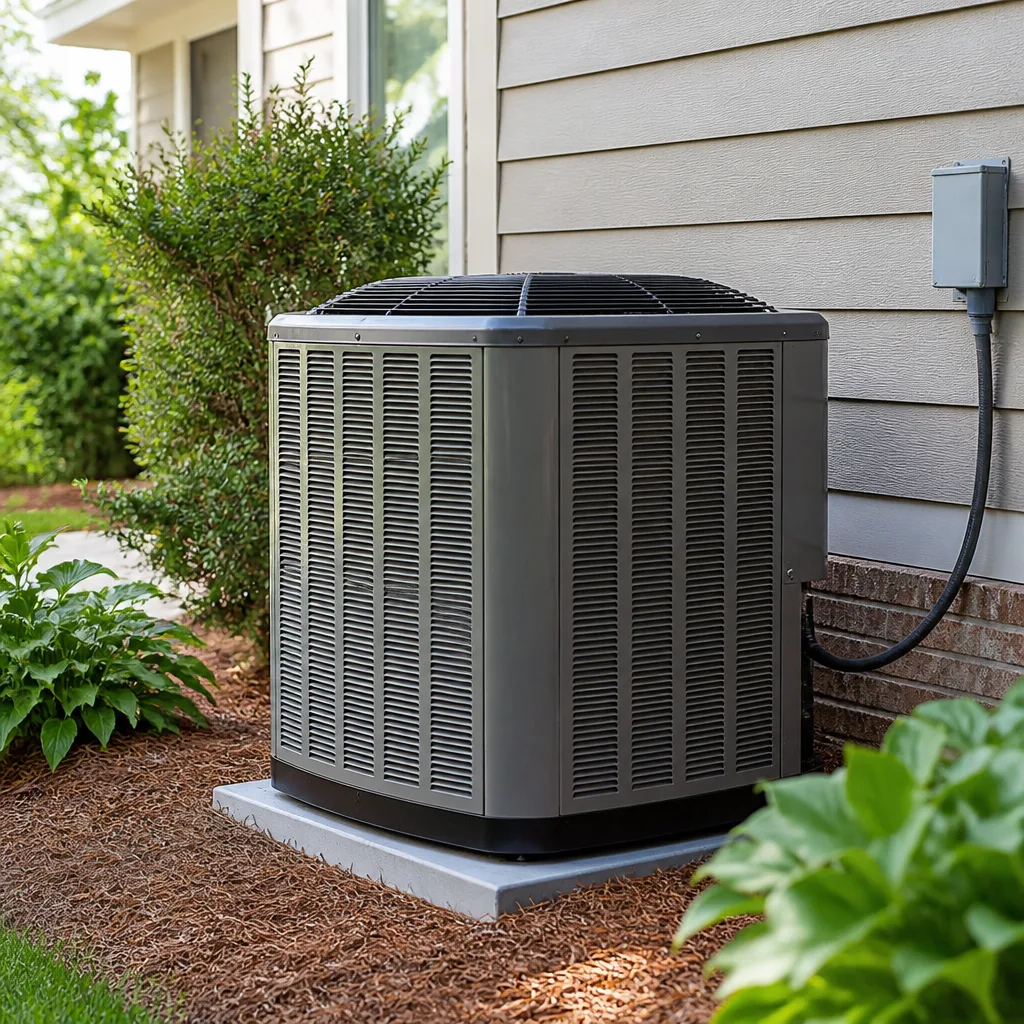 Trane
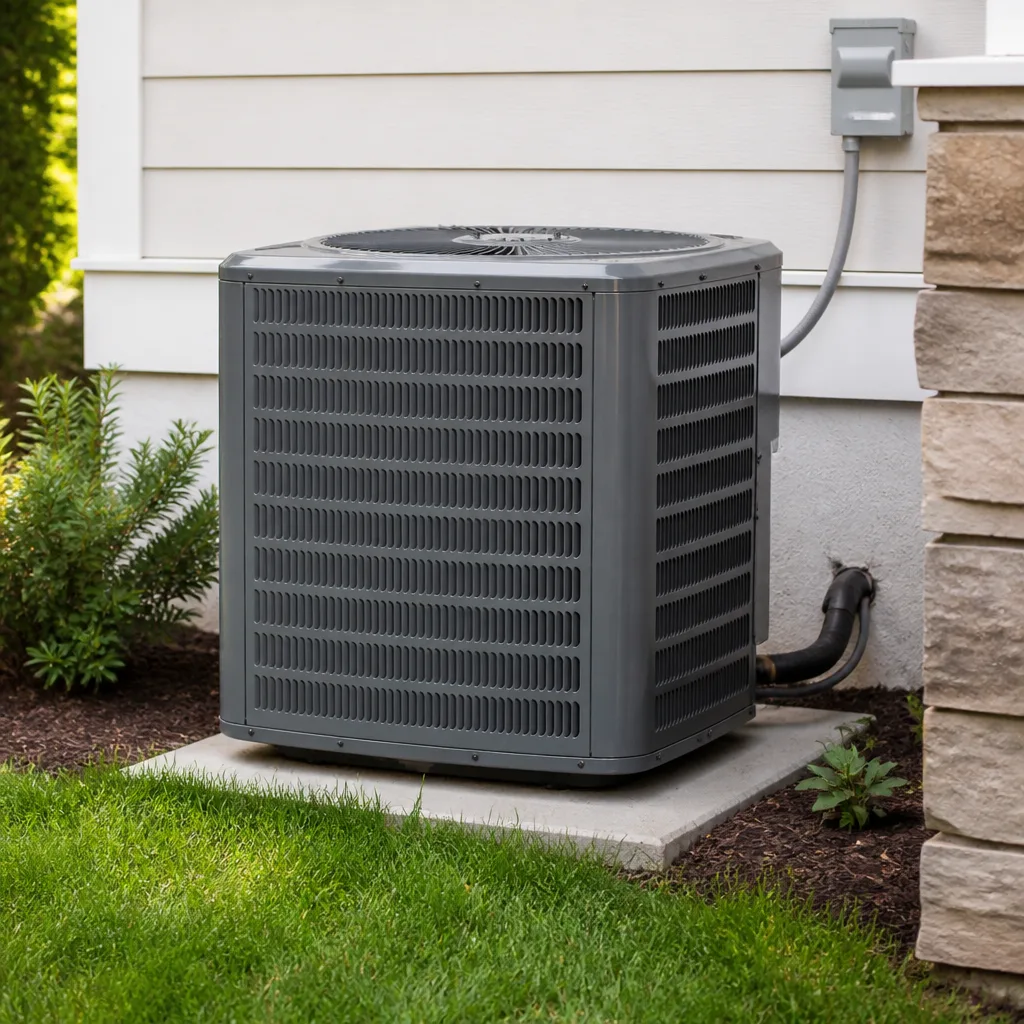 Goodman
Seasonal tune-up and full diagnostic on your Carrier, Trane, or Goodman system - readings shown to you before any repair is proposed
Diagnosis first, numbers second - you approve the repair price before a single part goes in.
Get your free estimateChoosing the Right HVAC Brand: A Buyer’s Guide for Salt Lake City
Most buying guides rank HVAC brands by national reliability scores, then tell you to pick the winner. That advice falls apart in Salt Lake City the first time a component fails in January and the part sits on a backorder truck somewhere in the Midwest. The brand that earned the top rating nationally isn’t necessarily the brand you want in a Utah winter. What matters more here is whether local distributors stock that brand’s parts, and whether its warranty survives a high-altitude install. This guide covers both, plus how to match equipment tiers to the home types you actually find across the valley.
Quick Answer
The best HVAC brand in Salt Lake City is the one whose parts your local distributors stock and whose warranty explicitly covers high-altitude installation – for most homeowners, that comes down to well-supported brands like Carrier, Trane, Lennox, or Goodman rather than a nationally top-rated name with thin local parts coverage. Brand matters less than installation quality and contractor breadth, but in Salt Lake City the two brand factors that actually change outcomes are same-day parts availability and altitude-aware warranty documentation.
Styles & brands we work with
- AC repair
- Furnace & heating
- Heat pumps
- Ductless mini splits
- Carrier
- Trane
- Goodman
Table of Contents
- Why parts availability matters more than brand reputation in Salt Lake City
- How high-altitude installation affects your warranty
- Brand tiers matched to Salt Lake City home types
- Manufacturing reputation vs. contractor quality
- Why brand-agnostic service matters after purchase
- A step-by-step process for choosing your brand
- Questions to ask before you sign
- What the Salt Lake City HVAC market looks like
Why parts availability matters more than brand reputation in Salt Lake City
Reliability ratings tell you how often a brand fails. They say nothing about how fast that failure gets fixed. In Salt Lake City, the gap between brands on repair turnaround is real, and it shows up hardest in the middle of winter when a furnace quits and the house starts losing heat fast.
Most major brands have some distributor presence along the Wasatch Front, but “has a distributor” and “has the part on the shelf today” are different things. The brands with deep local distribution tend to keep common failure parts – igniters, inducer motors, control boards, capacitors, blower motors – in stock at Salt Lake City-area supply houses. Others carry only the highest-volume items and special-order the rest, which can mean days without heat while a part ships in.
Here’s the general pattern we see across the nine brands we work on:
- Broad local parts coverage: Carrier, Trane, Lennox, Goodman, and Rheem tend to have the widest distributor presence in the Salt Lake City market, which usually means same-day or next-day access to common parts.
- Solid but sometimes thinner coverage: York, Bryant, Daikin, and American Standard parts are generally available, but specific components may require a special order depending on the model and the distributor’s stocking depth.
- Model age matters as much as brand: A ten-year-old unit in any brand is more likely to need a special-order part than a current model, because distributors rotate their inventory toward what’s still being installed.
The practical takeaway: before you buy, ask which brands your contractor can get parts for same-day from a Salt Lake City distributor. That single question predicts how a repair will go more reliably than any national brand ranking. It’s also why we work across Carrier, Trane, Lennox, Goodman, Rheem, York, Daikin, Bryant, and American Standard – we can source what the system needs without steering you toward whatever brand we happen to stock.
How high-altitude installation affects your warranty
Salt Lake City sits at roughly 4,300 feet, and much of the metro climbs higher – Millcreek, the east bench, and the canyons run well above that. Altitude changes how HVAC equipment performs. Air is thinner, so a furnace burner needs derating to burn cleanly, and some equipment needs adjustment or a different orifice to run correctly. Manufacturer warranties often require that this derating be documented at installation. Skip the documentation and a warranty claim on a failed heat exchanger or burner can be denied, even though the equipment itself did nothing wrong.
This is the detail homeowners almost never see until they file a claim. The installation paperwork matters as much as the equipment.
What to confirm before any installation in Salt Lake City:
- Ask whether the manufacturer’s warranty requires altitude derating documentation. Some brands spell this out explicitly in their installation manuals; others leave it to the contractor’s judgment. Either way, get it in writing.
- Confirm the installer will document the derating. That means a record of the manifold pressure adjustment, the orifice size used, and the combustion test results. Keep a copy with your equipment paperwork.
- Verify the warranty registration is filed. Many manufacturers require registration within a set window after installation, and missing it can shorten the warranty period.
- Ask about altitude-related exclusions. A small number of warranties exclude damage caused by improper installation at altitude. That’s exactly the clause to read before you sign.
We’ve seen warranty claims denied on equipment that failed for a legitimate defect, simply because the install record didn’t show the altitude adjustment. For a homeowner in a Millcreek hillside home or a higher-elevation Salt Lake City neighborhood, that’s a preventable loss. Ask the question up front.
Brand tiers matched to Salt Lake City home types
Brand tier matters less than matching the equipment to the home’s actual load and ductwork, but tier still shapes what you get for the money. Here’s how we think about it across the three home types we work on most in Salt Lake City.
1970s Sugarhouse bungalow
Older bungalows in Sugarhouse often have original or partially updated ductwork, modest square footage, and a furnace that’s already been replaced once. A mid-tier unit from a well-supported brand usually makes the most sense here. You want reliable parts access and a straightforward repair path, not the premium communicating-system features that cost more upfront and rarely pay back in a smaller home. Goodman and Rheem fit this tier well – solid equipment, widely stocked parts, and a price that leaves room in the budget for the ductwork attention older homes usually need.
2010s South Jordan new build
Newer construction in South Jordan typically has tighter envelopes, modern ductwork sized for the original equipment, and homeowners who plan to stay. This is where a mid-to-upper tier unit from Trane, Carrier, or Lennox earns its keep: better efficiency ratings, more consistent temperature control across a two-story layout, and a warranty that’s easier to keep intact when the install is documented properly. If the home has zoned comfort needs or a heat pump setup, matching the brand’s controls ecosystem matters more here than in an older home.
Millcreek hillside home with long line sets
Hillside homes in Millcreek often run long refrigerant line sets between the outdoor unit and the indoor coil, sometimes across multiple levels. Long lines put more demand on the system and make correct charge and line sizing critical. Brand choice here should favor equipment with clear guidance on extended line-set lengths and a contractor who’ll calculate the charge properly rather than guessing. This is also where the altitude question and the line-set question stack – get both documented.
Manufacturing reputation vs. contractor quality
Homeowners tend to conflate two very different things: how good the equipment is, and how good the installation is. The top nine brands are closer on manufacturing quality than the marketing suggests. The gap between a well-installed mid-tier system and a poorly installed premium system is far wider than the gap between two brands at the same tier.
Consider what actually determines how a system performs:
- Load calculation: Was the equipment sized to the home using a proper Manual J calculation, or did the contractor eyeball it based on the old unit?
- Ductwork: Are the ducts sealed, sized correctly, and delivering the airflow the equipment needs?
- Refrigerant charge: Was the charge set by weight and verified by superheat or subcooling, or just “topped off”?
- Commissioning: Was the system tested at startup and the results documented, including the altitude derating?
Every one of those is a contractor variable, not a brand variable. A Trane installed badly underperforms a Goodman installed right. That’s why we tell homeowners to spend more energy vetting the installer than the sticker on the equipment. The brand should follow from a conversation about the home, the budget, and the parts support in Salt Lake City – not the other way around. Repair or replace, we’ll tell you the truth about which path makes financial sense, because we’re not locked into a single manufacturer’s dealer program.
Why brand-agnostic service matters after purchase
The contractor who sells you a Lennox-only package can’t service your neighbor’s Rheem, and often can’t service your previous Goodman when you move or when a rental property needs work. Single-brand shops exist because of dealer agreements and manufacturer incentives, not because one brand is objectively better for every home. The homeowner pays for that narrowness later, when the only contractor who’ll touch the system is the one who sold it.
Brand-agnostic service changes that math. When a company works across all nine major brands, three things follow:
- No dead-end diagnoses. You don’t get told “we don’t service that brand” when your equipment falls outside their dealer line.
- Honest repair-or-replace advice. A repair-only shop leans toward repair; an install-only shop leans toward replacement. Full-scope service – AC installation, furnace repair, and furnace replacement – means the recommendation isn’t shaped by what the business needs to sell.
- One call for heating and cooling. You’re not juggling an AC contractor and a furnace contractor who never talk to each other. One call covers your furnace and your AC.
After purchase, that breadth is what keeps a system running for its full service life. Whatever brand is in your home, we know it – and that matters most in the years after the warranty ends.
A step-by-step process for choosing your brand
Choosing a brand isn’t a matter of picking the highest-rated name and moving on. It’s a short sequence of questions, and most homeowners can work through it in one conversation with a contractor.
- Get a load calculation first. The right size and type of equipment comes before the brand. If a contractor quotes a brand and a size without a Manual J, that’s a red flag.
- Ask which brands the contractor services and stocks parts for locally. Confirm they can get common failure parts from a Salt Lake City distributor without a multi-day order.
- Check the warranty terms for high-altitude installation. Ask specifically whether derating documentation is required and whether the installer will provide it.
- Match the tier to the home, not to the marketing. Older bungalow, newer build, hillside with long line sets – each points toward a different tier.
- Compare two or three quotes on the same scope. Same equipment tier, same ductwork scope, same commissioning. Apples to apples.
- Read the written estimate line by line. The written estimate sets the final price, so make sure it covers the equipment, the installation, the commissioning, and the altitude documentation.
- Confirm the contractor handles both heating and cooling. One team for the full system beats two contractors who never coordinate.
For the installation side of this conversation, our AC installation page walks through what a proper install includes from start to finish. If you’re still deciding whether to repair or replace the system you have, start there before you start shopping brands.
Questions to ask before you sign
The questions below separate a contractor who’ll get you a well-installed, well-documented system from one who’ll leave you with a warranty claim that gets denied three winters later. Ask them directly and expect specific answers.
- “Which brands do you work on, and which can you get parts for same-day in Salt Lake City?” A brand-agnostic contractor should be able to name several brands and speak to local parts availability honestly.
- “Will you provide a load calculation for my home?” If the answer is no, the sizing conversation is guesswork.
- “How do you handle altitude derating, and will it be documented?” On equipment installed above roughly 4,000 feet, this should be a standard part of the process, not an afterthought.
- “What’s included in the commissioning and startup?” Refrigerant charge verification, airflow measurement, and combustion testing for gas furnaces should all be on the list.
- “Are you a single-brand dealer, or do you recommend based on the home?” The answer tells you whether the recommendation is likely to be shaped by dealer incentives.
- “What’s the warranty registration process, and who files it?” Confirm it before the install, not after.
Our technicians have up to 15 years of experience across these brands, so they can answer all six in plain language. Ask away.
What the Salt Lake City HVAC market looks like
Salt Lake City’s HVAC market has a few features worth understanding before you shop. Cold winters and hot, dry summers mean equipment runs hard in both directions, so the system’s full life cycle shows up faster than in milder climates. Homes range widely in age, from mid-century bungalows to recent construction, and the equipment that fits one rarely fits the other without adjustment.
The Wasatch Front also has a dense contractor market, with plenty of shops clustered around Salt Lake City and the surrounding suburbs. That’s good for finding service, but it means brand specialization is common – some shops push one manufacturer hard because of dealer agreements. Homeowners who want an unbiased recommendation should look for a company that covers multiple brands and can service the system already in the home. On the Salt Lake City service page, we outline the neighborhoods we cover and how we approach equipment across the metro.
The distribution picture matters too. Because the Wasatch Front is a single metro with concentrated supply houses, parts availability for the major brands tends to be good – but only for the brands the distributors actually stock. That’s the brand question most guides miss, and it’s the one that decides whether a January breakdown is a same-day fix or a week-long wait.
Common Mistakes to Avoid
- Choosing a brand before the load calculation. The right size and type of equipment comes first, and the brand follows. Picking a brand before sizing is backwards, and it’s the single most common mistake we see in Salt Lake City.
- Assuming the highest national rating is the best local choice. A top-rated brand with thin local parts coverage can leave you waiting days for a component that a slightly lower-rated brand would have stocked.
- Ignoring the altitude warranty clause. If your installer doesn’t document derating, a warranty claim can be denied even on a legitimately defective part – and the homeowner rarely learns this until they file.
- Letting a single-brand dealer pick your equipment for you. If the only brand they sell is the only brand they recommend, the recommendation isn’t a recommendation – it’s a sales agreement.
- Skipping the commissioning record. Refrigerant charge, airflow, and combustion results are what protect the equipment long-term. If they’re not written down, they probably weren’t checked.
- Buying on sticker price alone. A cheaper install that skips the load calculation or the altitude documentation costs more over the system’s life than a proper one at a slightly higher price.
- Choosing a contractor who can’t service the system after the warranty ends. Ask whether the company will service the equipment five or ten years from now, and whether they can source parts for it then.
See the difference
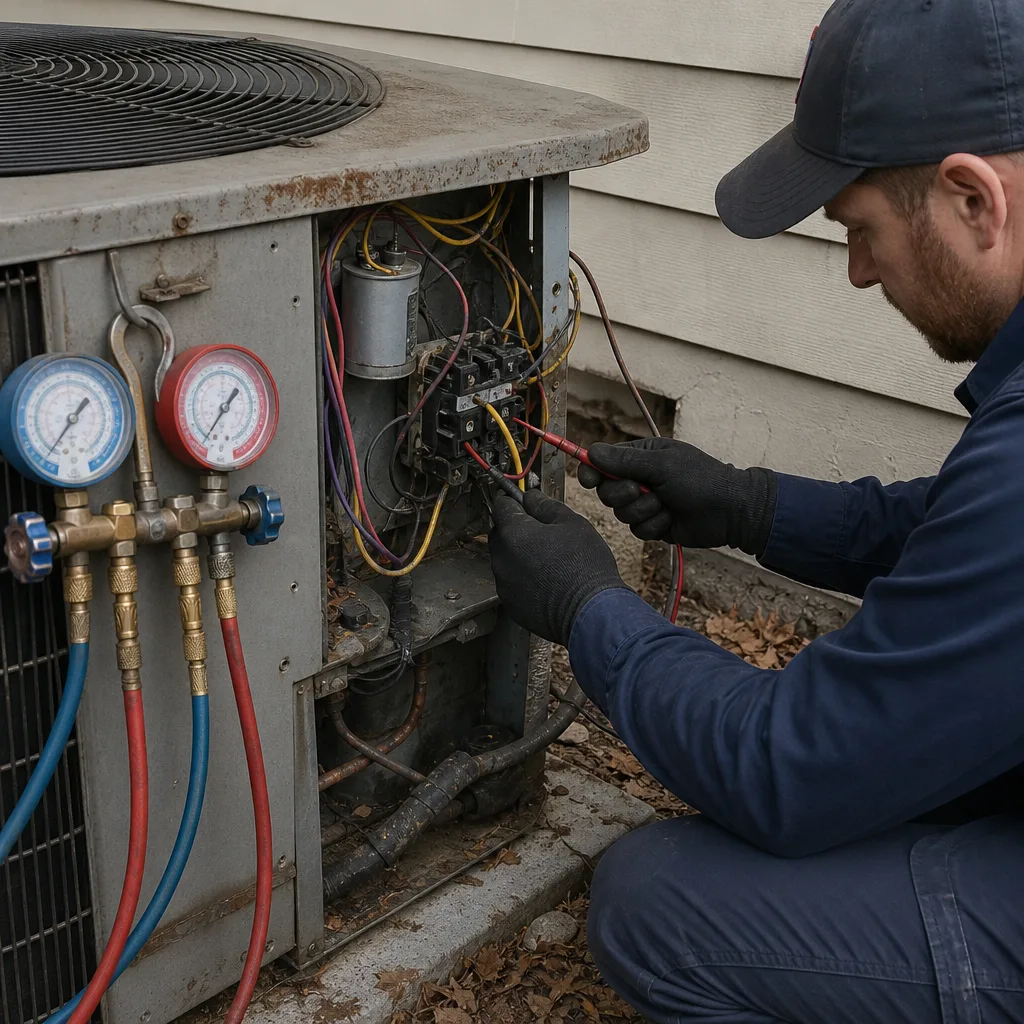 Before
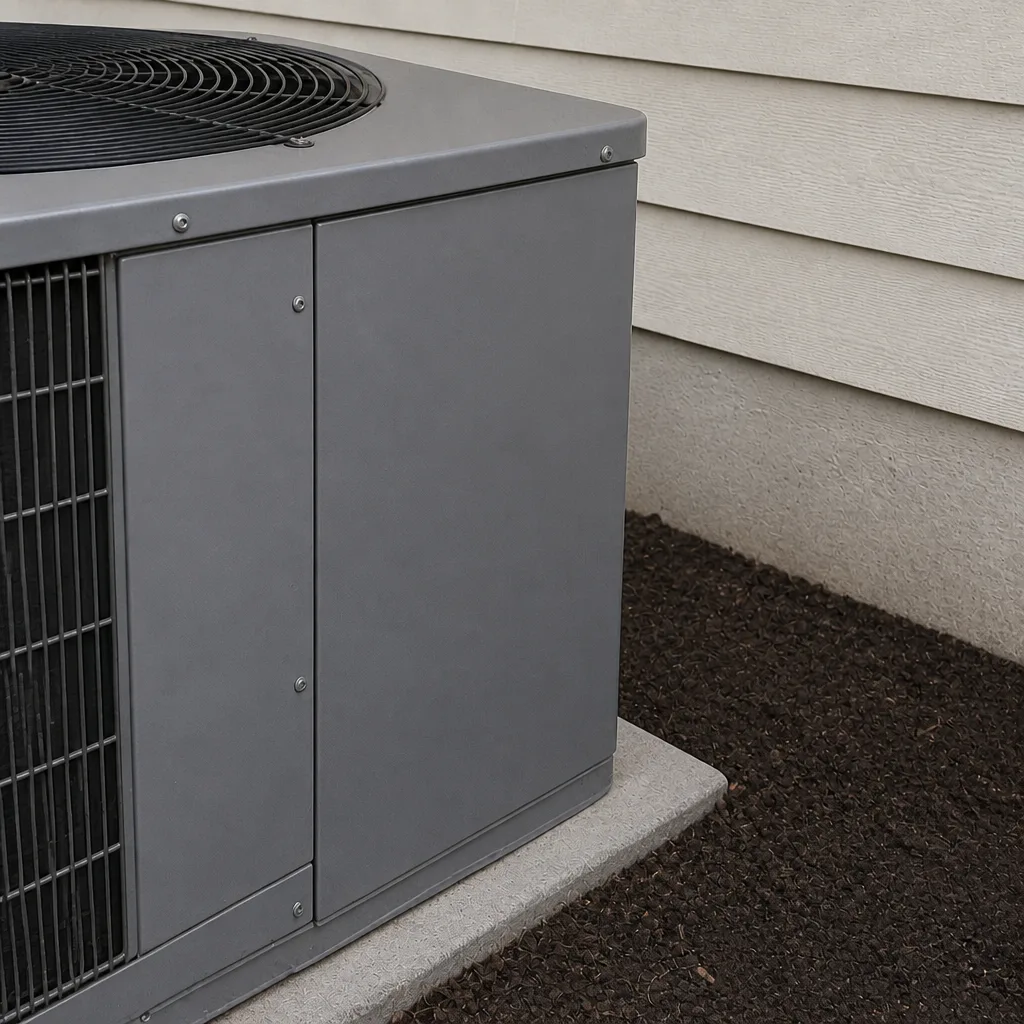 After
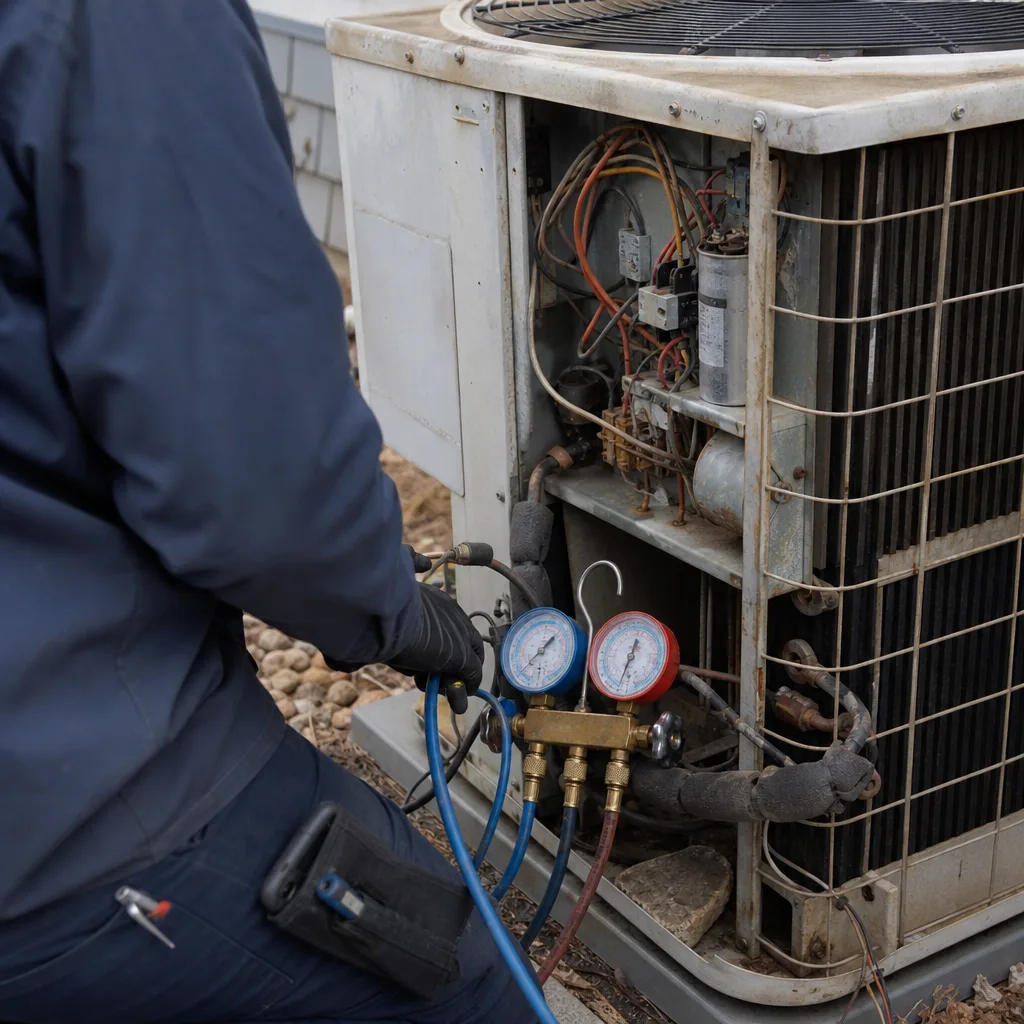 Before
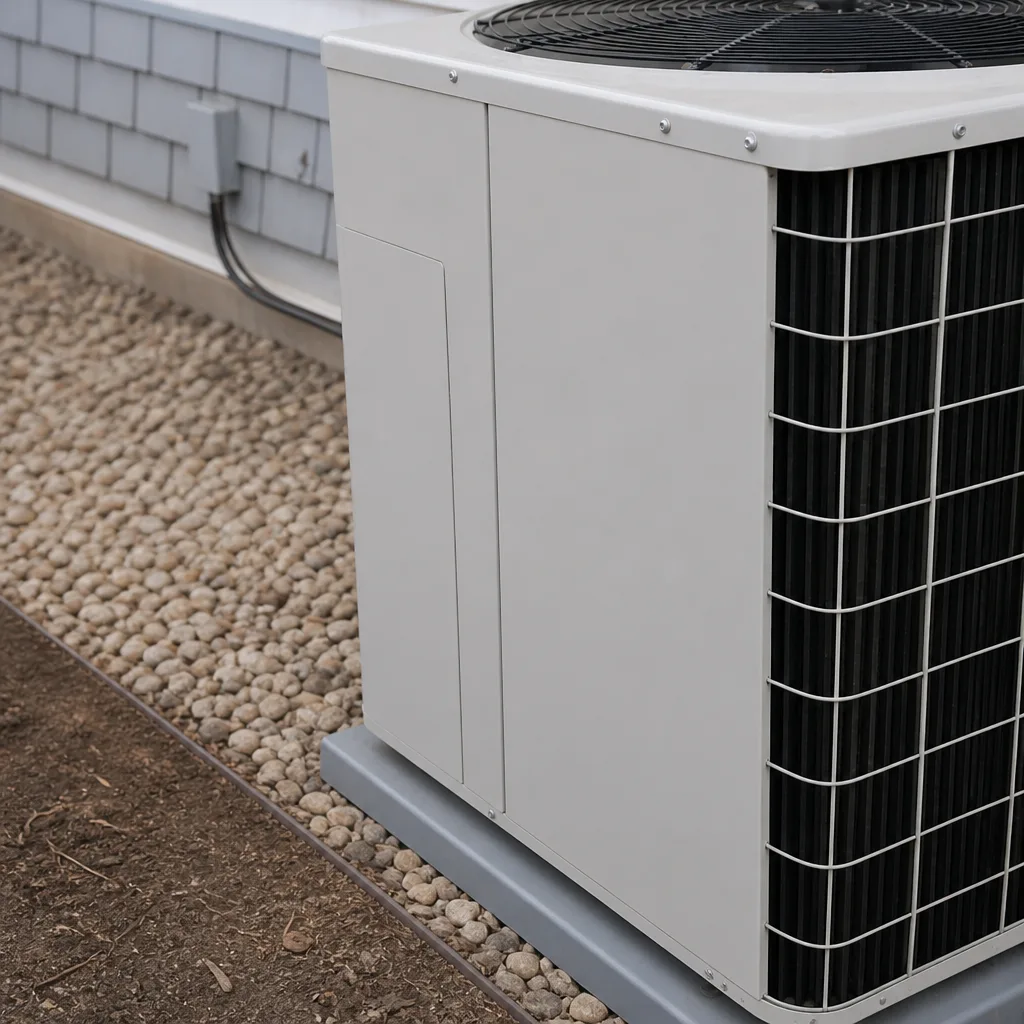 After
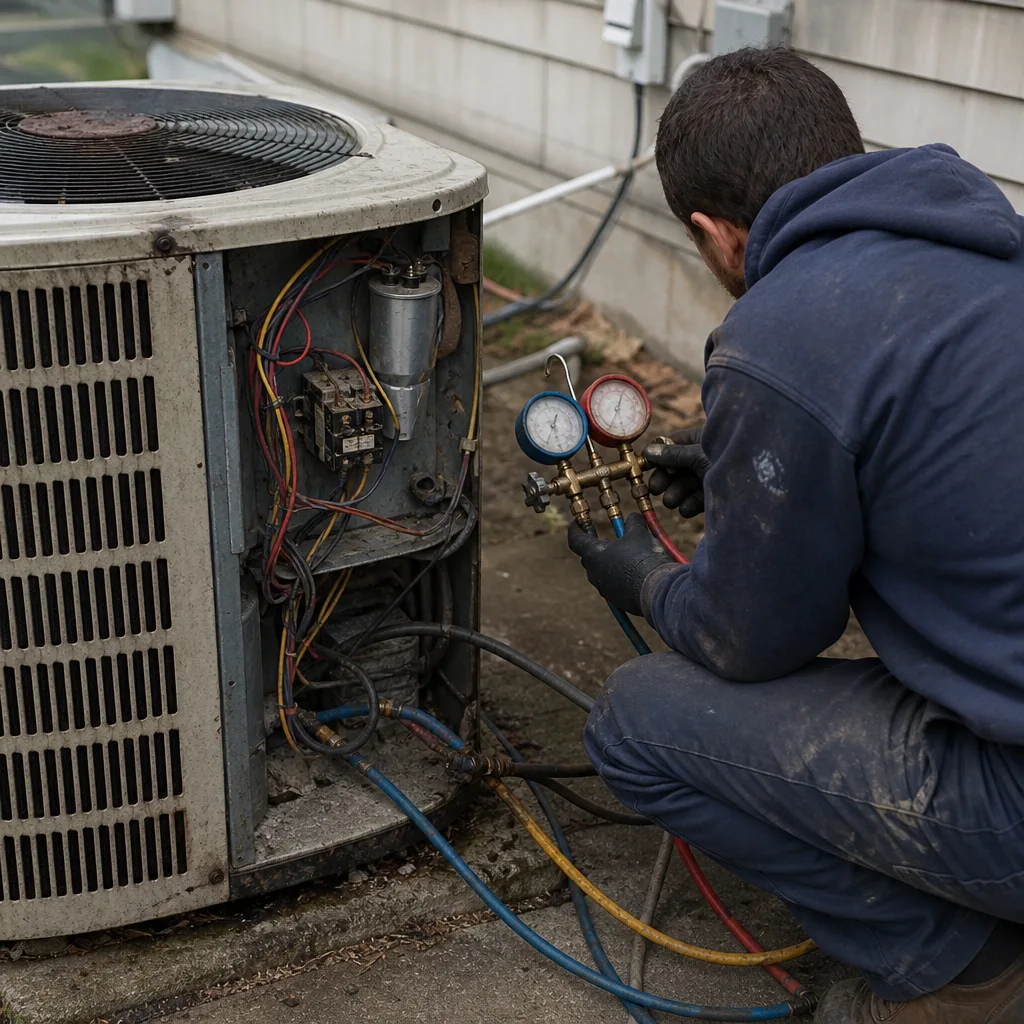 Before
 After
When to Call a Professional
Brand choice is a planning question. Some situations need a professional in the room now. If your furnace is short-cycling, producing unusual smells, or failing to hold temperature in cold weather, that’s a repair call, not a brand-shopping exercise. If your system is more than a decade old and repairs are stacking up, a replacement conversation is the next step, and the brand question comes with it. If you’re building a new home or buying one with a system you don’t know, a professional can tell you what’s installed, what condition it’s in, and whether it’s the right match for the home.
Lockhart AC Repair offers free estimates in Salt Lake City – call (855) 473-8712. We answer 24/7. Fast dispatch from 7am to 7pm, Sunday through Friday. We work across Carrier, Trane, Lennox, Goodman, Rheem, York, Daikin, Bryant, and American Standard, so the recommendation you get is shaped by your home, not by a dealer agreement. Nine brands, one team.
Frequently Asked Questions
There’s no single best brand – the best choice for a Salt Lake City home is the brand whose parts your local distributors stock and whose warranty covers high-altitude installation with documented derating. For most homes, that points toward well-supported brands like Carrier, Trane, Lennox, Goodman, or Rheem. Call (855) 473-8712 for an exact recommendation based on your home.
Yes. Salt Lake City sits around 4,300 feet, and many manufacturer warranties require that altitude derating be documented at installation. If the derating isn’t recorded, a warranty claim on a failed component can be denied even when the equipment itself was defective. Ask your installer to document the derating and keep a copy.
Ask which brands they work on and whether they’re a single-brand dealer. A brand-agnostic contractor can name several brands, discuss parts availability for each, and recommend based on the home and budget rather than a dealer agreement. If the only brand they recommend is the only brand they sell, that’s the tell.
A brand-agnostic contractor who’s trained across all nine major brands can service most systems you’ll find in Salt Lake City, regardless of what brand is installed. That breadth matters most after the warranty ends, when service options are limited by which contractor will touch the equipment. Call (855) 473-8712 to confirm coverage for your system.
Not necessarily. Staying with the same brand makes sense if the existing system has been reliable and the contractor can document the altitude derating properly. But if a different brand offers better local parts availability or a stronger warranty fit for your home, switching is worth considering. The written estimate sets the final price either way.
Cost depends on the equipment tier, the home’s size and ductwork, and what’s included in the install – there’s no single number that applies across Salt Lake City. A proper quote includes the load calculation, the equipment, the installation, the commissioning, and the altitude documentation. Call (855) 473-8712 for a free estimate with a written price.
The Bottom Line
Brand choice matters, but not in the way most guides suggest. For Salt Lake City homeowners, the brand that serves you best is the one with deep local parts availability and a warranty that survives a high-altitude install – and that often looks different from the national reliability winner. Match the tier to the home, get the load calculation and derating documentation in writing, and pick a contractor who services multiple brands so the recommendation isn’t shaped by a dealer agreement. That’s the combination that keeps a system running through Utah winters. If you’d like help working through it, the team at Lockhart AC Repair can walk you through it.
Written by the team at Lockhart AC Repair.