
Last updated November 15, 2026
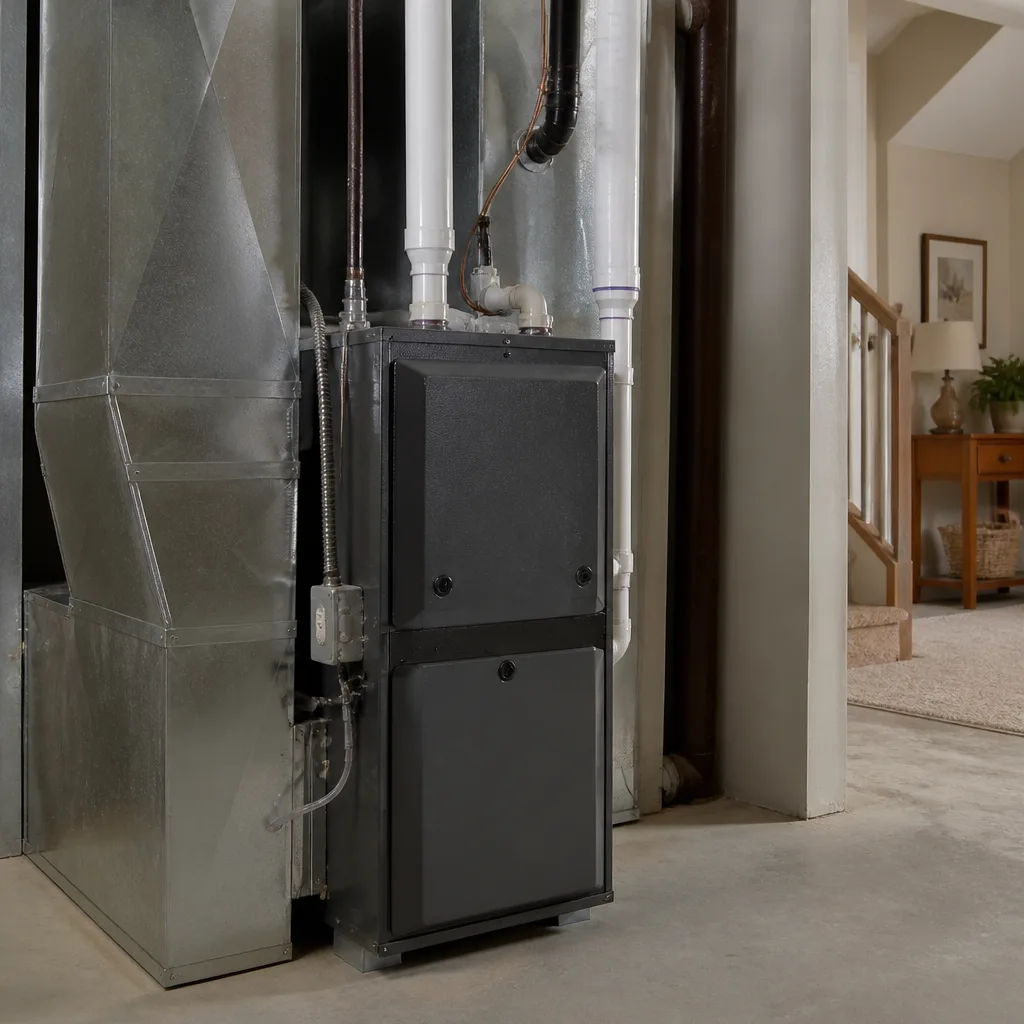 Furnace & heating
 AC repair
 Heat pumps
 Ductless mini splits
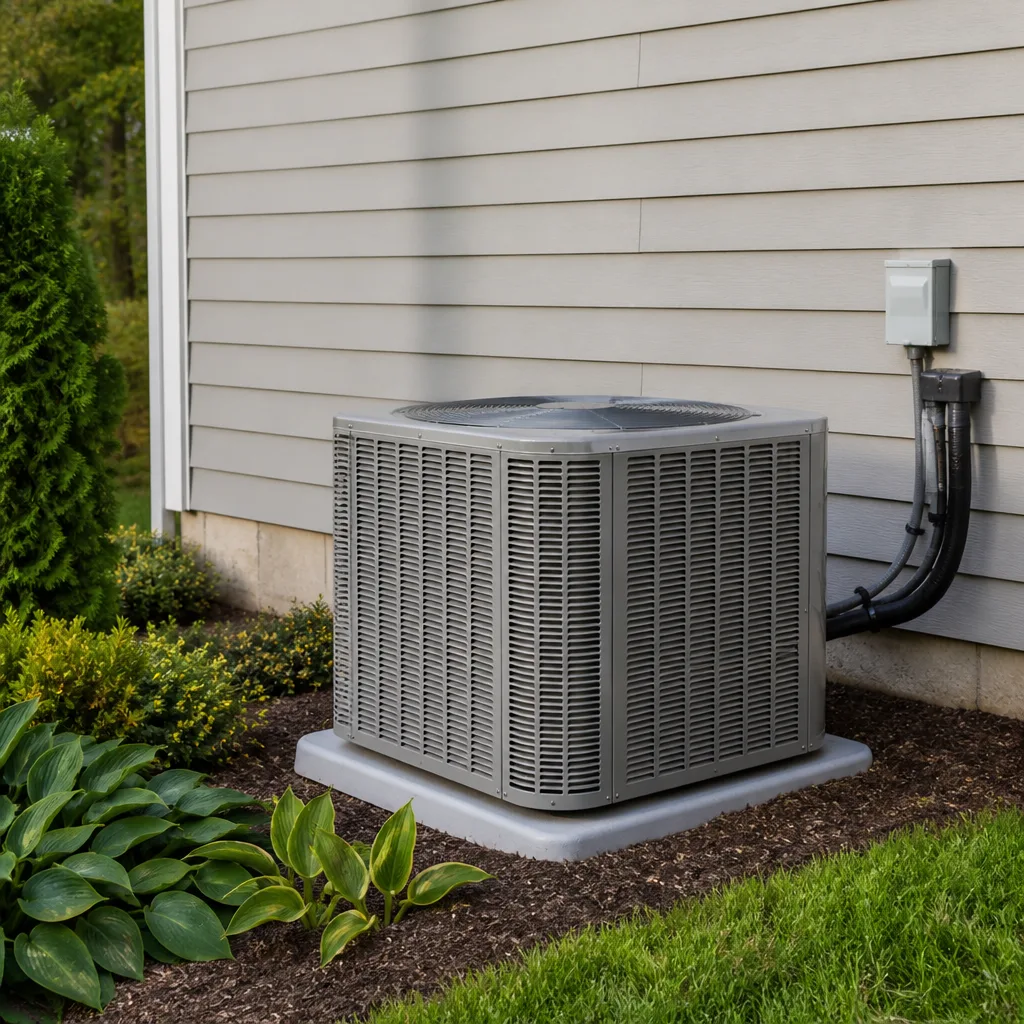 Carrier
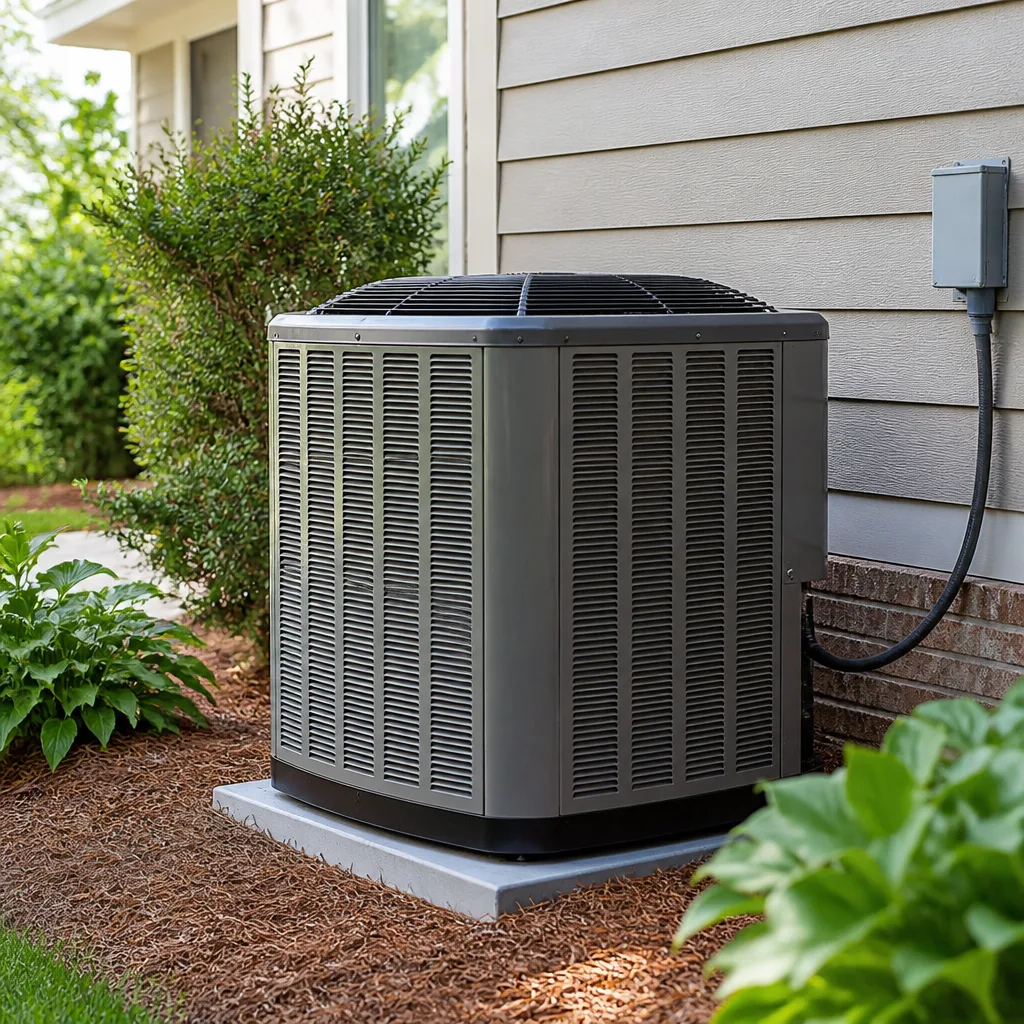 Trane
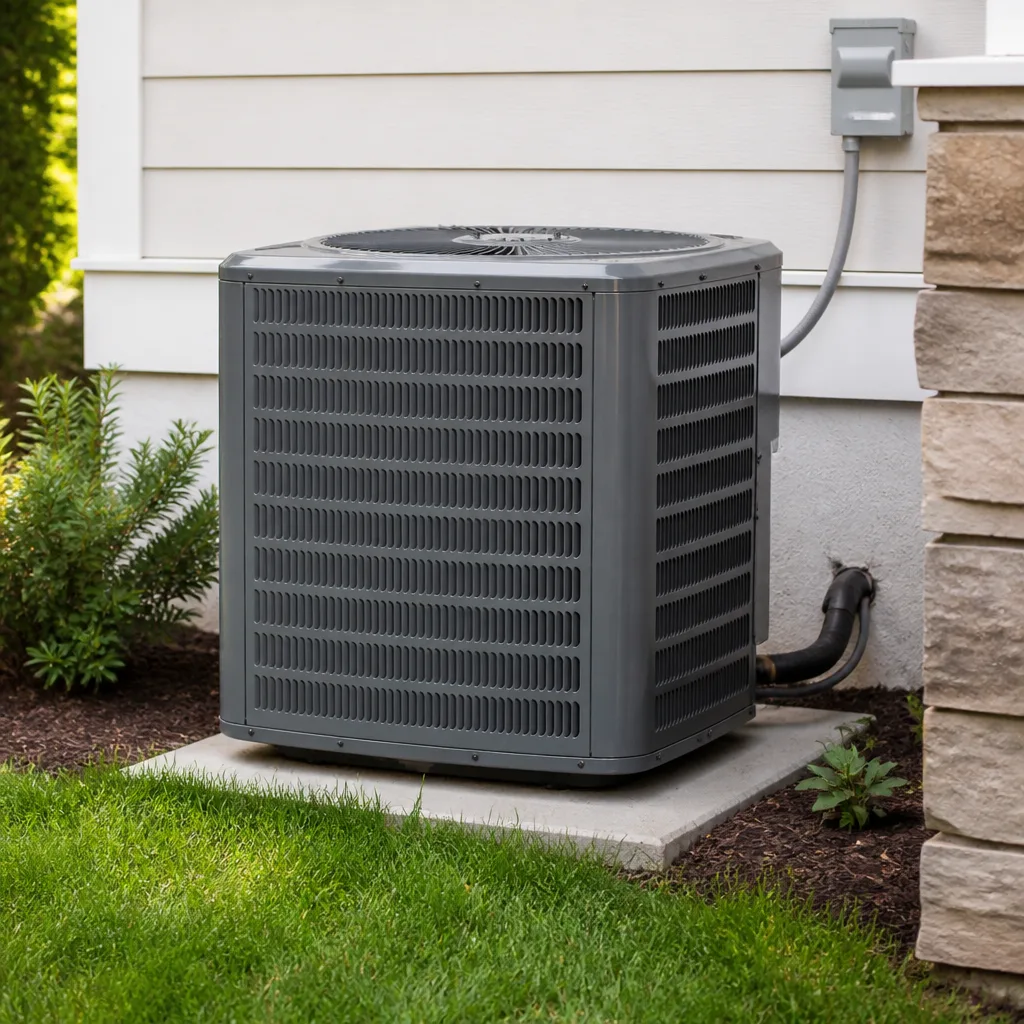 Goodman
Seasonal tune-up and full diagnostic on your Carrier, Trane, or Goodman system - readings shown to you before any repair is proposed
Diagnosis first, numbers second - you approve the repair price before a single part goes in.
Get your free estimateFurnace Replacement Troubleshooting in Salt Lake City: Common Problems and How to Fix Them
A cracked heat exchanger is the single most over-cited reason for furnace replacement in Salt Lake City, and it’s also one of the most misdiagnosed. Plenty of furnaces get condemned for a crack that isn’t there, when the real fault is a failing draft inducer putting back-pressure on an intact exchanger. That misdiagnosis costs homeowners thousands on a replacement they didn’t need yet. This guide shows you how to tell a repairable fault from a system that’s genuinely past the point of economical repair, how to read the fault codes on your own control board, and what questions to ask before you approve any replacement work.
Quick Answer
Most furnace problems that get labeled “unrepairable” are actually repairable: failed igniters, dirty flame sensors, blocked pressure switches, and worn draft inducers are common fixes, not replacement triggers. A furnace is a real replacement candidate when it has a verified heat exchanger crack, a failed control board on an old unit, or accumulated repair costs that exceed roughly half the price of a new system. The trick is knowing which category you’re in before the technician quotes a new furnace.
Styles & brands we work with
- AC repair
- Furnace & heating
- Heat pumps
- Ductless mini splits
- Carrier
- Trane
- Goodman
Table of Contents
- How to read fault codes on your brand’s control board
- Five failure modes that always justify replacement
- Five failures most often misdiagnosed as unrepairable
- The age-and-repair-cost threshold math for Utah’s heating season
- What a legitimate heat exchanger crack diagnosis looks like
- Red flags in a replacement recommendation
- Why Salt Lake City furnaces fail the way they do
- Common mistakes to avoid
How to read fault codes on your brand’s control board
Before you call anyone, look at the viewing window on your furnace. Most modern control boards flash an LED code to tell you what’s wrong, and reading it yourself gives you a real advantage when you talk to a technician. The flash pattern differs by manufacturer, so know your brand.
On a Carrier or Bryant board (they share the same platform), you’ll see a two-digit code flashed in a sequence of short and long flashes, then a pause, then a repeat. The codes map to specific faults: pressure switch stuck open, flame sensed with no call for heat, limit switch tripped. Trane and American Standard boards also use a two-digit scheme printed on a sticker inside the blower door, so read the sticker before you interpret the flashes. Lennox and Goodman boards often use a simpler single-digit or combined short-long pattern, and Goodman’s is printed on the inside of the door in most cases. Rheem and York follow their own layouts, and Daikin communicates through a communicating thermostat or a flashing LED on the board.
The point isn’t for you to diagnose the repair. It’s to confirm that a technician’s story matches the code. If the board flashes “pressure switch open” and someone tells you the heat exchanger is cracked, ask why the pressure switch isn’t the first suspect. That mismatch is the number one early red flag in Salt Lake City furnace calls.
- Count the flashes first, then look up the code on the sticker inside the furnace door.
- Note whether it’s a lockout (the furnace won’t retry) versus an intermittent fault (it fires sometimes).
- Write down the sequence before the technician arrives. Memory fades and codes can reset.
- Don’t reset the board repeatedly. A hard lockout is telling you something.
Five failure modes that always justify replacement
Some failures are genuinely not worth repairing. If you hit one of these, replacement is the sensible call, not a sales tactic.
- A verified heat exchanger crack in the primary or secondary section. This is a safety issue, not a performance issue. Combustion gases can enter the supply air, and no repair makes that exchanger safe again. A legitimate diagnosis confirms the crack with more than a visual scan.
- Cracked or failed secondary heat exchanger on a condensing furnace. These are expensive parts, and on an older unit the labor and part cost typically exceeds a new high-efficiency system’s value.
- Failed control board on a furnace past 15 years. Control boards are the brain of the unit, and once one fails on an aging platform, the next failure is usually close behind.
- A leaking primary heat exchanger assembly that can’t be sealed. Some leaks in the exchanger weld seams can be sealed; a compromised tube bundle can’t.
- Cracked or warped combustion chamber on an older natural-draft furnace. The combustion chamber is integral to safety, and replacing it is often a strip-down job that costs more than the furnace is worth.
If a technician shows you a crack, ask them how they confirmed it. A short answer (“I looked at it”) is not a diagnosis. See the heat exchanger section below for what a real one looks like.
Five failures most often misdiagnosed as unrepairable
This is where the real money gets lost. These faults get labeled “needs a new furnace” all the time, and every one of them is usually a straightforward repair.
- Failed draft inducer motor. When the inducer gets weak, it can’t pull enough draft, so the pressure switch won’t close and the furnace won’t fire. The pressure switch is blamed, but the inducer is the actual cause. A new inducer is a repair, not a replacement.
- Stuck or blocked pressure switch. A blocked port, a clogged hose, or a switch that fails in cold weather can mimic a heat exchanger problem. Cleaning or replacing the switch fixes it.
- Dirty flame sensor. The most common single-cause no-heat call everywhere, including Salt Lake City. A 10-minute cleaning is usually all it takes.
- Failed hot surface igniter. Igniters wear out. They’re a consumable, not a sign the furnace is dying. Replacement cost is small.
- Tripped limit switch from restricted airflow. A clogged filter (common in Salt Lake’s dusty spring air) or a blocked return duct causes the limit switch to trip and shut the furnace down. It reads as a major fault and is usually a filter change and a duct check.
If someone tells you the furnace needs replacing and none of the real-replacement failures above apply, get a second opinion. In Salt Lake City, that second look is worth the time. A good technician can tell the difference between a hard failure and a soft one in one visit.
The age-and-repair-cost threshold math for Utah’s heating season
Salt Lake City’s heating season is long. Furnaces here run hard from October into April, and sometimes later. That length matters, because it changes the math on when repair stops making sense and replacement starts paying you back. A furnace in a mild climate can limp along for years on cheap repairs. A furnace in Salt Lake City at the same age is closer to the end of its useful life.
Here’s the threshold most HVAC professionals use:
- Under half the replacement cost: repair. A $400 repair on a system that would cost $4,000 to replace is usually the right call, especially on a unit under 12 years old.
- Over half the replacement cost: lean toward replacement. A $2,500 repair on an aging furnace is money you could put into a new system with a warranty.
- More than half the replacement cost on a unit past 15 years: replace. The next failure is usually within a couple of seasons, and you’ll be paying twice.
- Two major repairs inside two years on a unit past 15 years: replace. You’re being nickeled to death, and the reliability math works against you.
The other variable is efficiency. If your furnace is an older 80% unit, upgrading to a modern high-efficiency system can cut your gas use meaningfully over a long Utah heating season, which tips the math toward replacement sooner than a straight repair-vs-replace comparison would suggest. Ask for the efficiency difference in writing, not a percentage guess.
Your written estimate is the price, and it’s free. Our technicians don’t get paid on what they sell, so the recommendation you get from Lockhart AC Repair is based on the math above and the condition of the furnace in front of them – not a quota.
What a legitimate heat exchanger crack diagnosis looks like
A real heat exchanger crack diagnosis takes time, tools, and access. If a technician walks in, shines a flashlight through the sight glass, and comes back with “cracked,” that’s a shortcut, not a diagnosis. The issue is that heat exchangers are tucked inside the cabinet, and a visual scan through a small port shows you only a slice of one section.
A proper diagnosis includes the following:
- Removing the blower door and getting real access to the exchanger sections, not just the sight glass.
- Using a combustion analyzer to check carbon monoxide levels in the flue and supply air. Rising CO in the supply plenum with the blower running is a strong signal of a leak.
- A visual inspection with a mirror or camera in the inaccessible sections, especially the secondary exchanger on a condensing furnace.
- Documenting the crack with a photo so you can see what was found. That’s a fair request and any honest technician will honor it.
- Explaining which section failed (primary or secondary, and where in the tube bundle) and why that section can’t be repaired.
If any of those steps gets skipped, the “cracked heat exchanger” conclusion is unconfirmed. Carbon monoxide is genuinely dangerous, and we take every CO symptom seriously. But a suspected crack without a CO reading and a documentation photo is not a confirmed one. Our technicians have up to 15 years of experience on Carrier, Trane, Lennox, Goodman, Rheem, York, Daikin, Bryant, and American Standard equipment. We know how these heat exchangers are built and where they typically fail.
Red flags in a replacement recommendation
Not every replacement quote is a sales pitch. Some are exactly right. But you should be able to tell the difference, and these questions cut through the noise.
- “Can you show me a photo of the failed part?” If the answer isn’t a clear yes, the diagnosis is soft.
- “What fault code is the board showing?” If the code points to a pressure switch and the quote is for a new furnace, ask why the inducer and switch were ruled out.
- “Did you test combustion gases?” On any heat exchanger claim, this is the key question. No combustion test means no confirmed crack.
- “Is this a quote for a specific replacement and a specific repair, or just the replacement?” An honest recommendation gives you both numbers so you can see the comparison.
- “What’s the efficiency difference between my unit and the replacement you’re quoting?” If nobody can say, the recommendation isn’t grounded in the math.
- “Does the quote include the venting and electrical changes required?” A high-efficiency replacement often needs new venting, and a quote that doesn’t mention it will grow later.
- “Are there any permits required in Salt Lake City for this?” Most replacement work here involves a permit. A contractor who doesn’t want to pull one is a red flag.
Furnace replacement is load-calculated, ordered, and scheduled. A proper job starts with a written fixed price, a set install date, and a quote that shows exactly what’s changing. If you’re being pressured with “this price is only good today,” that pressure is the tell that it isn’t about your furnace.
If you’re wondering whether to repair or replace, furnace repair is often the answer. Get an honest look before you approve a swap.
Why Salt Lake City furnaces fail the way they do
Salt Lake City’s furnace problems look a little different from the rest of the country, and the local climate explains most of it. The valley sits below mountains that trap cold air in winter, so furnaces run longer and harder than in a mild climate. That long runtime wears the inducer and igniter sooner and puts more thermal load on the heat exchanger over its life.
Spring adds dust. Salt Lake’s springs kick up a lot of particulate, and the dry, dusty air clogs air filters fast. A clogged filter trips limit switches, which is the single most common misread no-heat fault in the valley. Swap the filter every month or two in dusty stretches and you’ll sidestep a chunk of those calls.
Snow and freezing nighttime temps push the furnace into long cycles, and that matters for draft inducer wear. A draft inducer that pulls weak on a cold night can set the pressure switch off intermittently. That’s the “it runs but sometimes won’t fire” call you hear across the Salt Lake Valley in January, and it’s usually the inducer, not the exchanger. Neighborhoods like Sugar House, the Avenues, and Rose Park are full of older homes with natural-draft furnaces where the same misdiagnosis gets repeated.
Salt Lake’s housing stock also drives the math. A lot of homes in the older neighborhoods have furnaces that were sized for a basement and ducted to a house that’s been added to over the years. A furnace that’s the wrong size for the space it’s heating will run long, cycle short, and fail earlier than it otherwise would. Load calculation matters here. A replacement that just swaps the old unit for the same size isn’t a fix, it’s a repeat.
If you’re comparing whether to put money into heat or cooling this year, keep in mind that AC installation and furnace work both go through the same equipment and duct system. A decision on one affects how the other performs.
Common mistakes to avoid
- Accepting a heat exchanger diagnosis without a photo or a combustion test. A visual scan through a sight glass isn’t a diagnosis. Ask for documentation of the crack before you sign a replacement quote.
- Replacing the furnace because the filter was clogged. A tripped limit switch in a Salt Lake City home in spring is more often the filter than the exchanger. Change it before you call anyone, and tell the technician when you changed it last.
- Ignoring the efficiency math on an older 80% unit. In Salt Lake’s long heating season, a unit that runs inefficiently for years costs more than the upgrade would have. Get the numbers in writing.
- Approving a replacement without a load calculation. An oversized furnace cycles short and fails early. A properly sized one runs longer and lasts. Ask for the load calc.
- Letting a contractor tell you they “don’t service that brand.” A good HVAC company services the system you have, not the one they prefer to sell. Ask about your brand before booking.
- Skipping the permit. Most furnace replacements in Salt Lake City require one. A quote that doesn’t mention a permit usually means the work gets done without an inspection.
- Calling only when it fails. An annual inspection catches the failing inducer and the dirty sensor before a no-heat night in January. That’s cheaper than an emergency call.
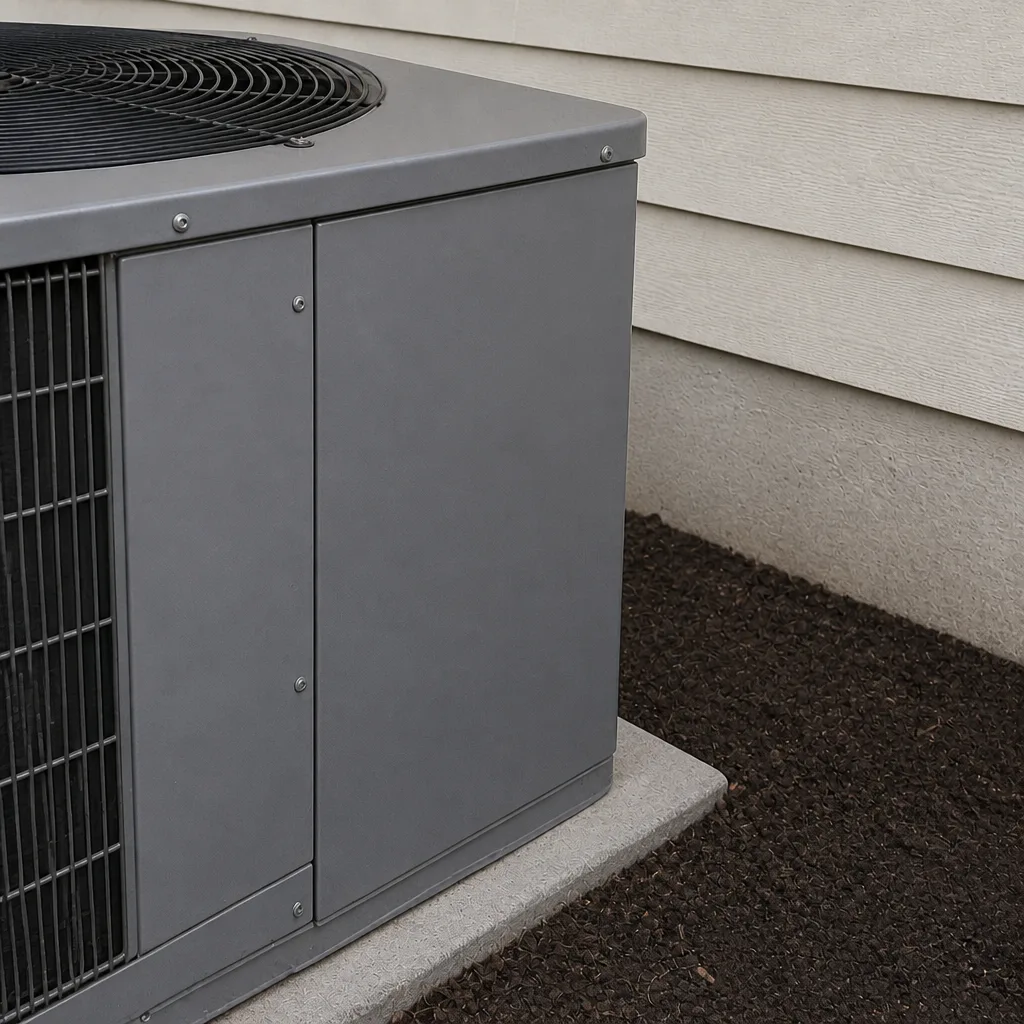
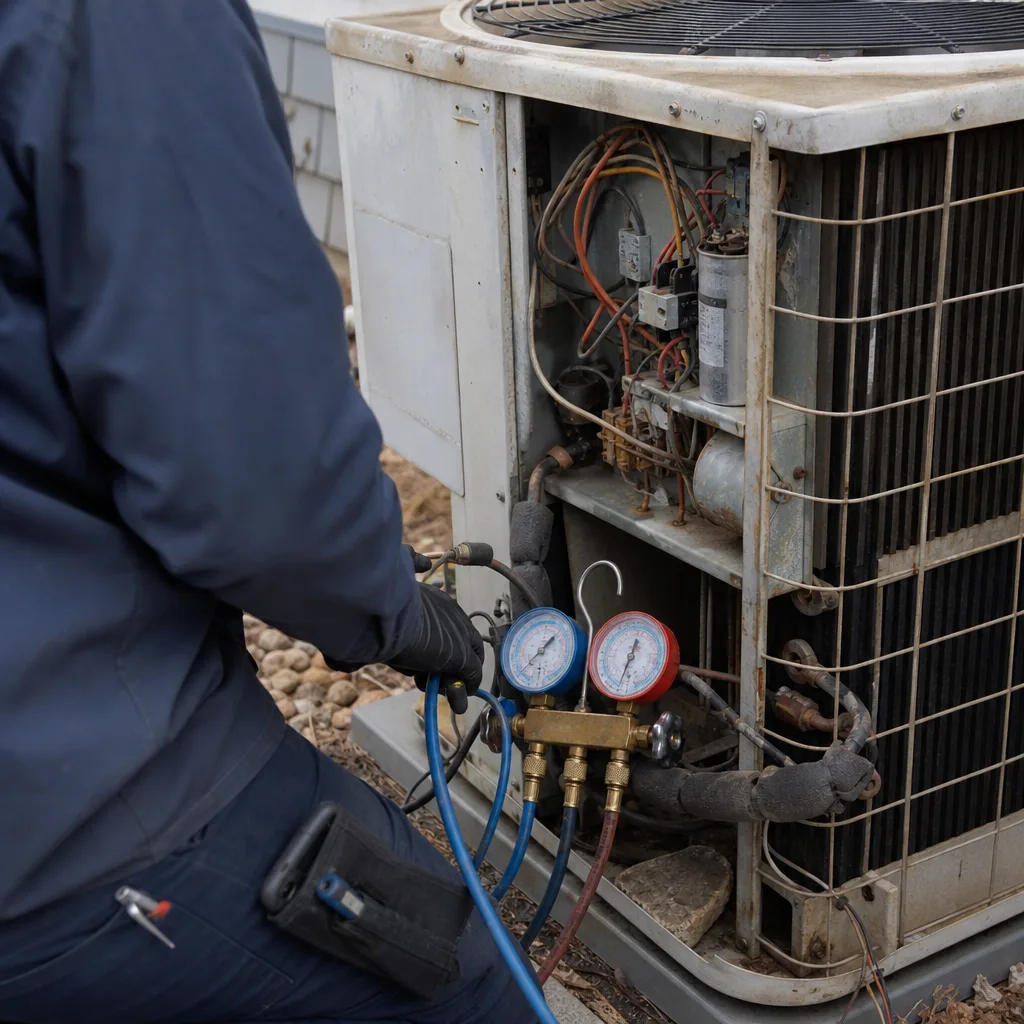
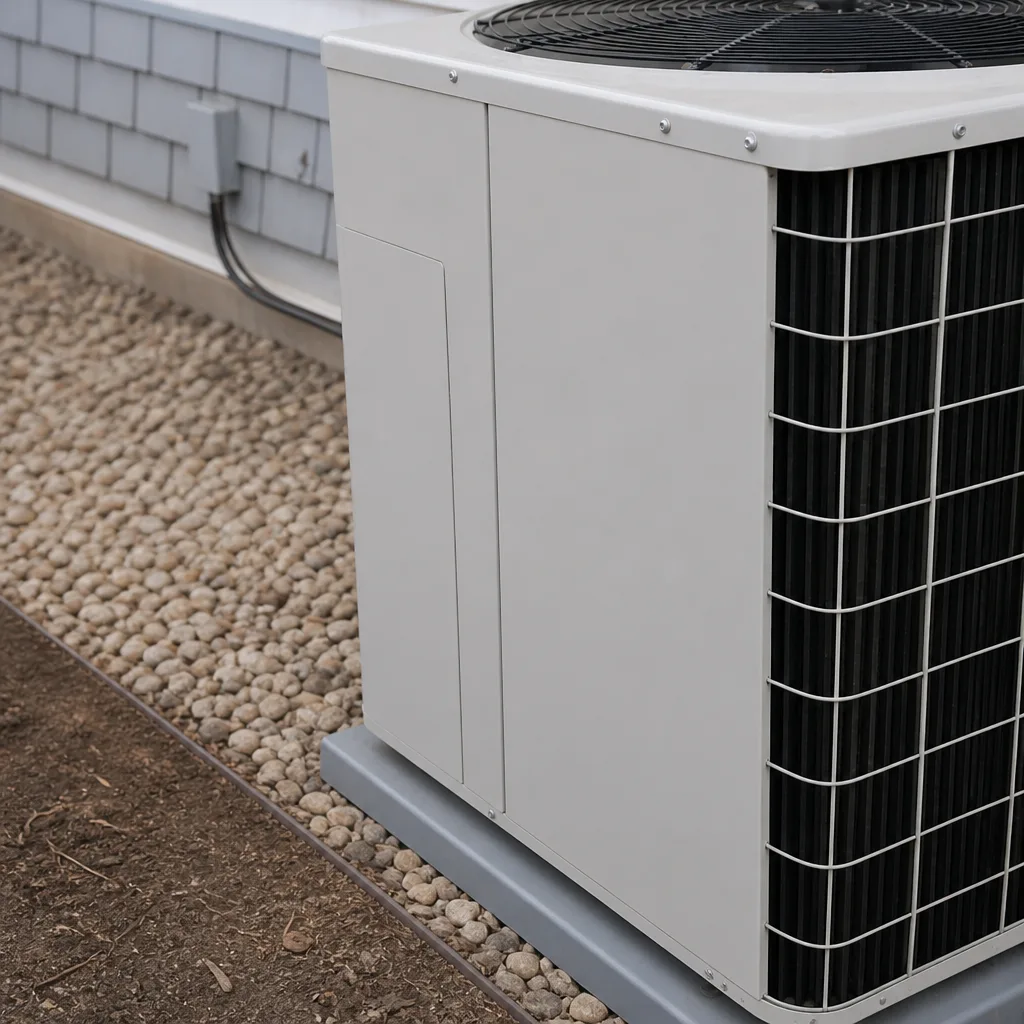
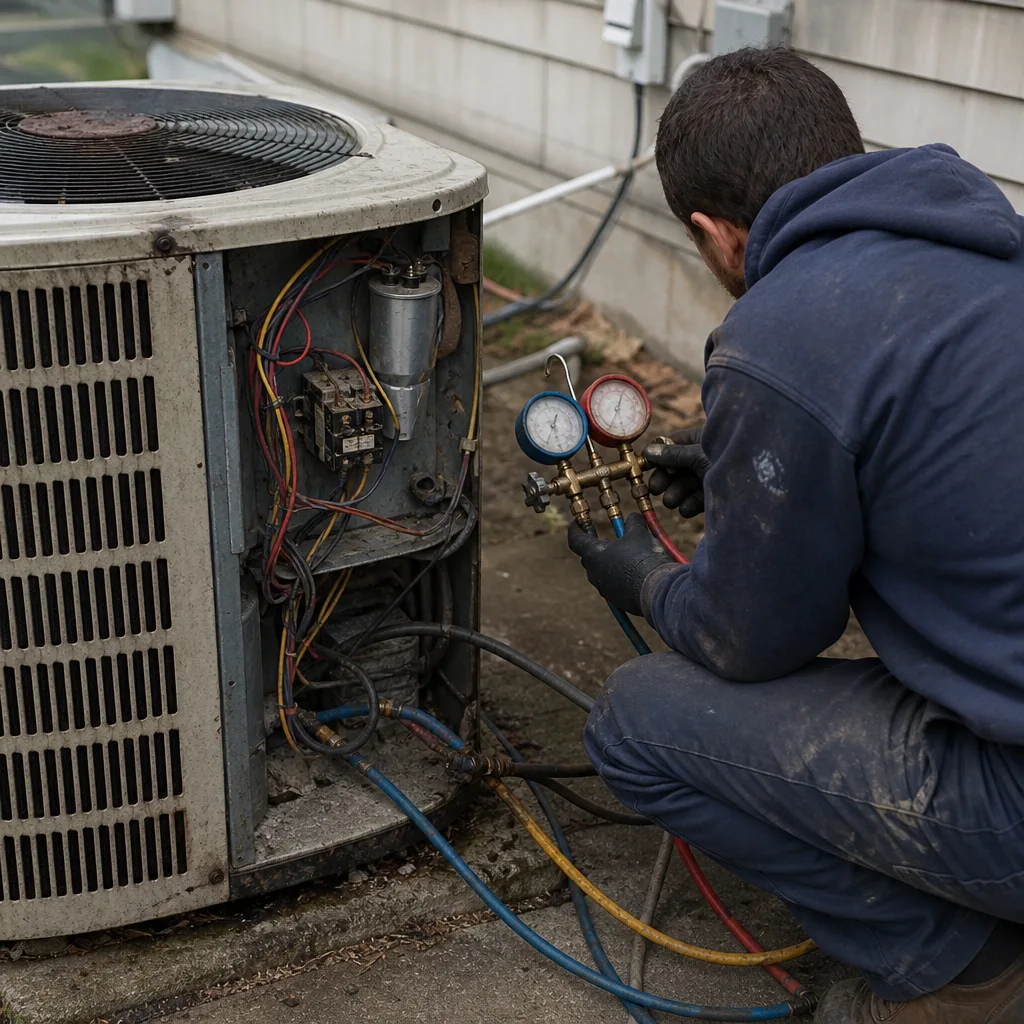
See the difference
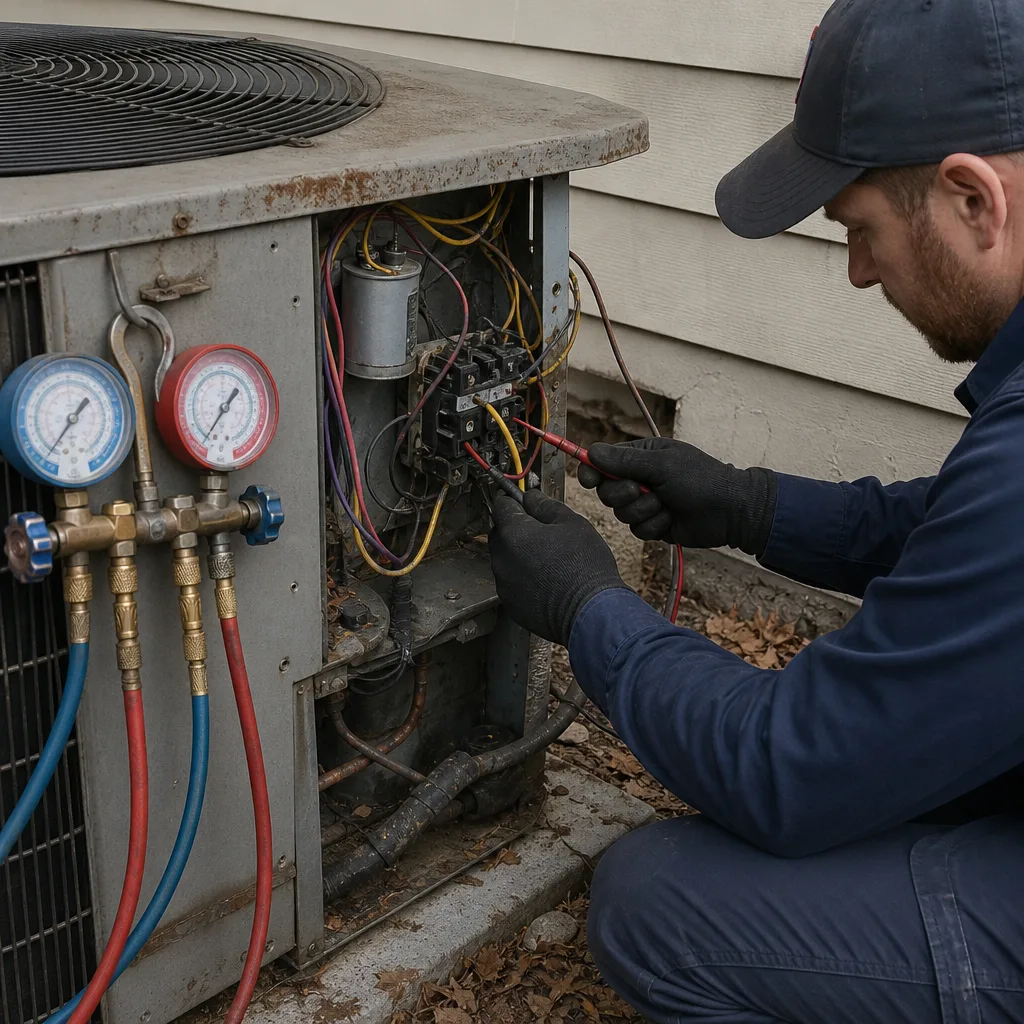 Before
 After
 Before
 After
 Before
 After
When to Call a Professional
Call a professional if you smell gas, if a carbon monoxide alarm sounds, if the furnace won’t fire after two attempts, or if the control board is locked out. These are not faults to troubleshoot yourself, and the safety stakes are real. Call us if the blower runs but the house won’t get warm, if the furnace cycles on and off without heating, or if you’ve been told you need a new furnace and want a second opinion before you commit. We service nine brands and we’ll tell you the truth about repair versus replacement, including when the answer is repair. Lockhart AC Repair offers free estimates in Salt Lake City, and our technicians have up to 15 years of experience on every major equipment brand. Call (855) 473-8712. We answer 24/7. Fast dispatch from 7am to 7pm, Sunday through Friday.
Frequently Asked Questions
Yes, up to a point: you can read the fault code on your control board, check the filter, and confirm the furnace has power and gas. That’s it. Anything past those first checks (igniter, pressure switch, inducer, heat exchanger) needs a trained technician with the right tools. Call (855) 473-8712 for an exact quote, and estimates are free.
Most furnaces last somewhere between 15 and 20 years, and Salt Lake’s long heating season tends to push units toward the shorter end of that range. If your furnace is past 15 and you’re facing a repair over half the replacement cost, replacement is usually the better financial call. Call (855) 473-8712. We answer 24/7. Fast dispatch from 7am to 7pm, Sunday through Friday.
A failed pressure switch usually means the draft inducer isn’t pulling enough draft, so the switch won’t close and the furnace won’t fire. A cracked heat exchanger lets combustion gases leak into the supply air and is confirmed with a combustion analyzer, not a pressure switch reading. The two get confused all the time in Salt Lake City. Call (855) 473-8712 for an exact diagnosis, and estimates are free.
Most furnace replacements here require a permit, and the specific requirements depend on your jurisdiction’s building department. Ask the contractor to confirm what’s needed and who pulls it. A quote that avoids the topic usually means the work gets done without an inspection. Call (855) 473-8712 to talk through the process, and estimates are free.
Repair if the fix is under half the replacement cost and the unit is under 12 years old. Replace if the repair is over half the cost, if the furnace is past 15, or if you’re facing a second major repair inside two years. Upgrade to a new system if your current unit is an older 80% model running through Salt Lake’s long heating season. Call (855) 473-8712 for a free, honest answer.
Likely yes. Our technicians are trained on Carrier, Trane, Lennox, Goodman, Rheem, York, Daikin, Bryant, and American Standard equipment, and we don’t push you toward a single manufacturer. Call (855) 473-8712. We answer 24/7. Fast dispatch from 7am to 7pm, Sunday through Friday.
The Bottom Line
The gap between “needs a new furnace” and “needs a repair” is where the money gets made or lost. Most “unrepairable” diagnoses trace back to a draft inducer, a pressure switch, or a dirty flame sensor, and the fix usually costs a fraction of a replacement. A real replacement recommendation has a photo, a combustion test, and a load calculation behind it. Our technicians have up to 15 years of experience across the nine major brands, so we can tell the difference and won’t sell you a furnace you don’t need. Call (855) 473-8712 for a free estimate.
Written by the team at Lockhart AC Repair.