
Last updated November 15, 2026
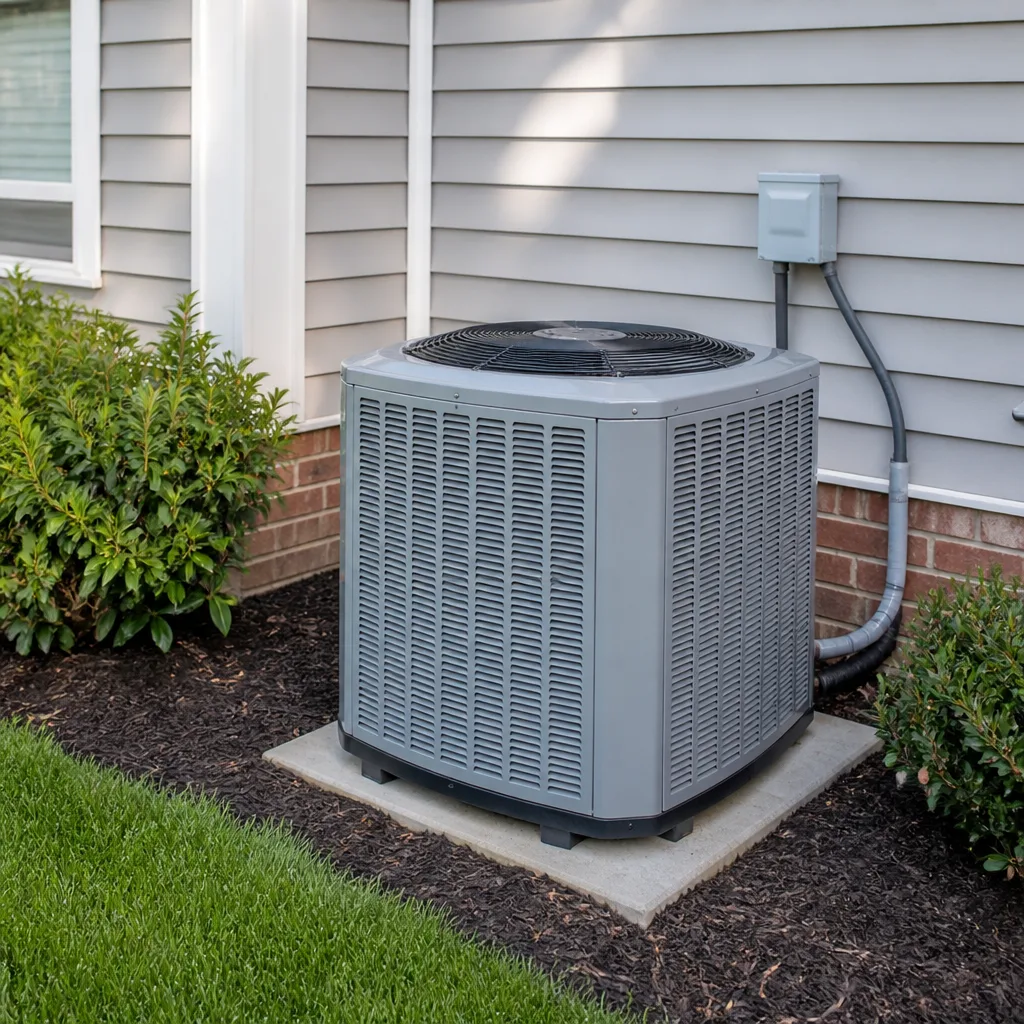 AC repair
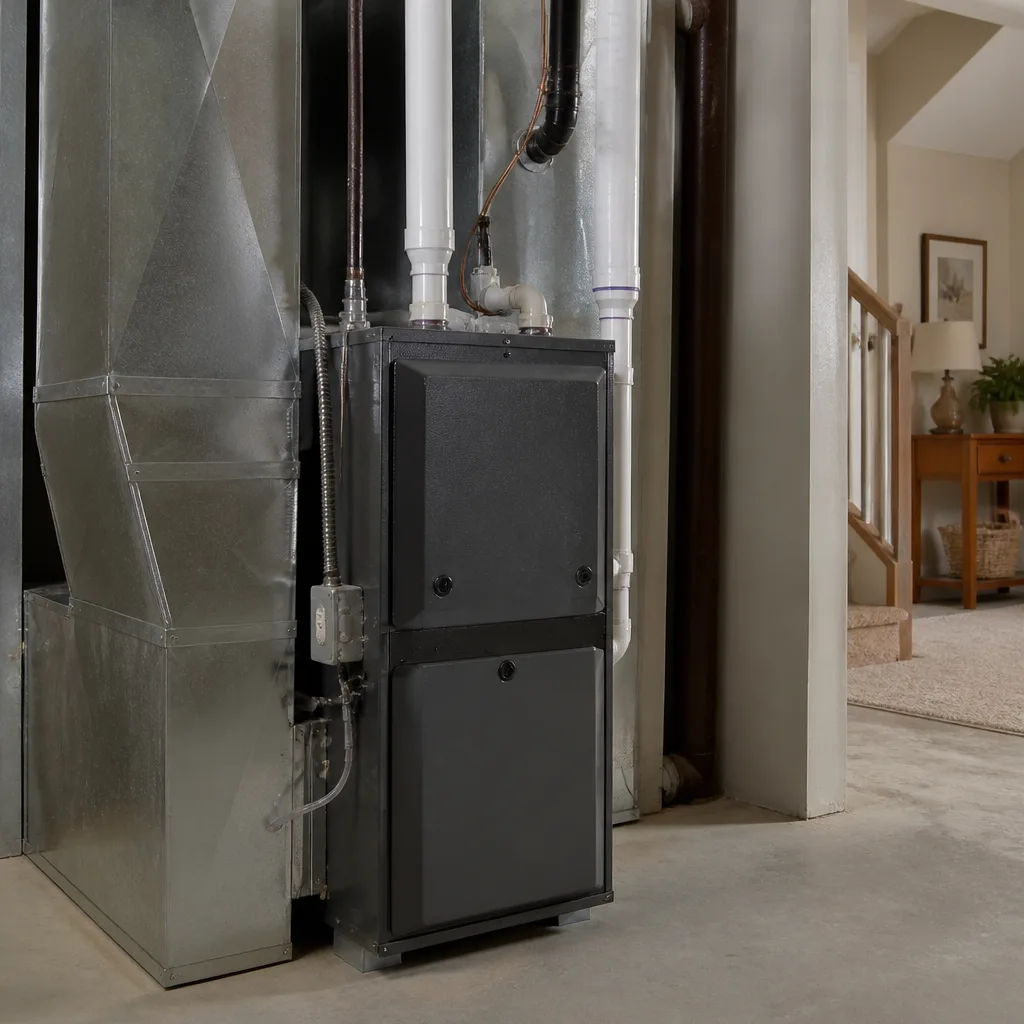 Furnace & heating
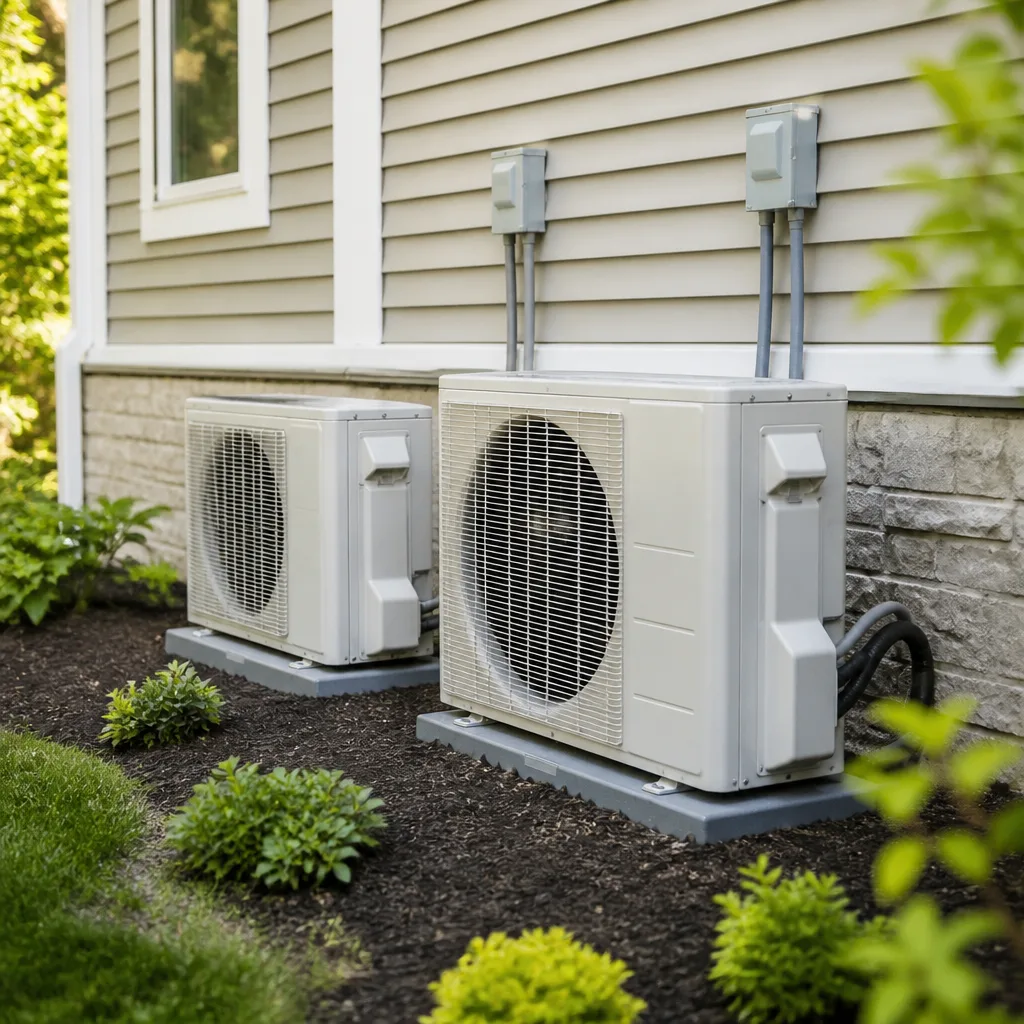 Heat pumps
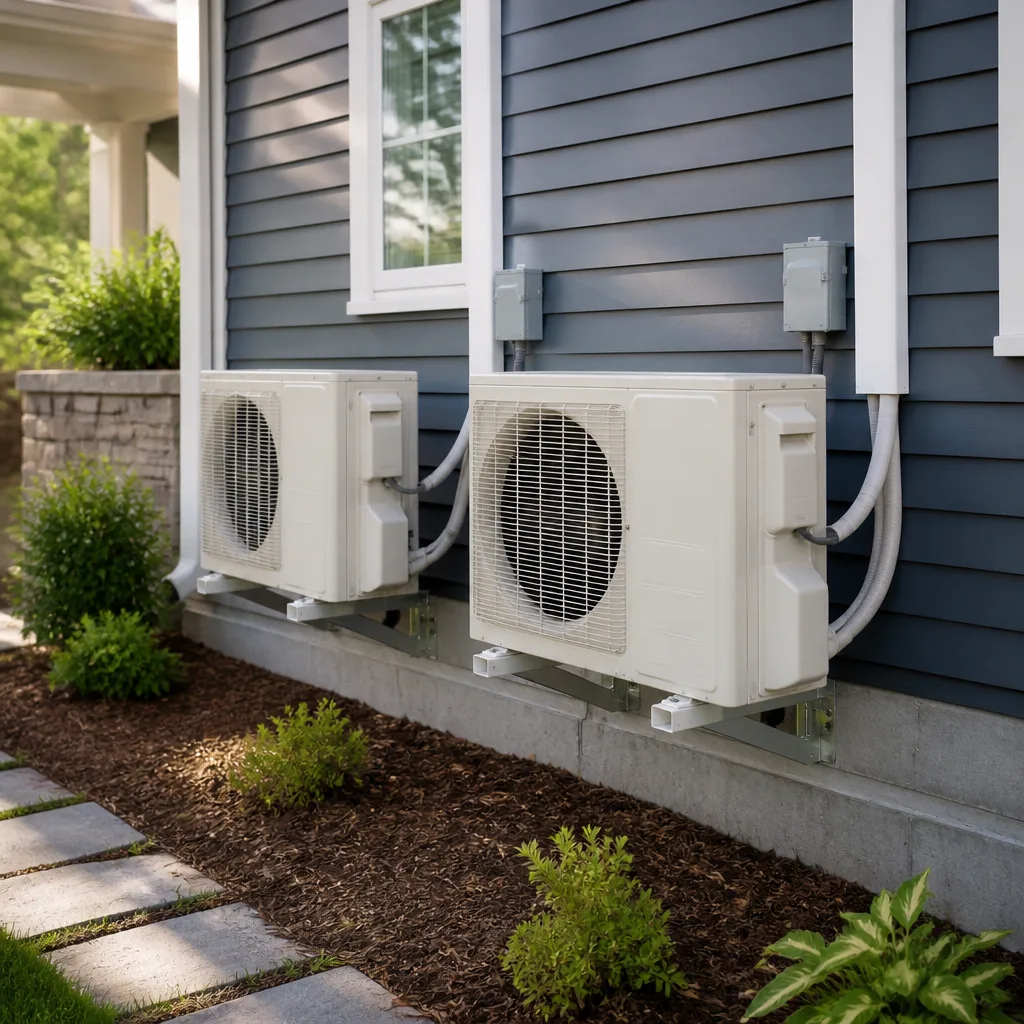 Ductless mini splits
 Carrier
 Trane
 Goodman
Seasonal tune-up and full diagnostic on your Carrier, Trane, or Goodman system - readings shown to you before any repair is proposed
Diagnosis first, numbers second - you approve the repair price before a single part goes in.
Get your free estimateHVAC Permits, Codes & Inspections in Salt Lake City, UT: What You Need to Know
Most homeowners treat an HVAC permit like a receipt they’ll never need again. That’s backwards. In Utah, the permit is the paper trail that proves the work was done to code, and its absence can follow a house all the way to closing day. Insurance carriers are also tightening language around equipment claims, and unpermitted work is one of the quiet triggers. This guide walks through which jobs need a permit in Salt Lake City, where city rules end and Salt Lake County rules begin, what inspectors actually look for, and how to pull the permit without losing a week. We’ll keep it practical, because that’s how we work.
Quick Answer
In Salt Lake City, any HVAC work that adds, replaces, relocates, or materially alters equipment or its venting needs a mechanical permit before work starts. That includes full furnace and AC replacements, new high-efficiency condensing furnaces, and anything that touches combustion air, flue termination, or refrigerant line routing. Straight repairs that swap like-for-like components generally don’t need a permit, but the line is narrower than most people assume. When in doubt, ask the city’s building department before the truck arrives, not after.
Styles & brands we work with
- AC repair
- Furnace & heating
- Heat pumps
- Ductless mini splits
- Carrier
- Trane
- Goodman
Table of Contents
- Which HVAC Jobs Need a Permit in Salt Lake City?
- Salt Lake City vs. Salt Lake County: Who Issues the Permit?
- Utah Mechanical Code: The Sections That Trip People Up
- What Happens During an HVAC Inspection
- Why Inspections Fail in Salt Lake City Homes
- Unpermitted Work and Real Estate Transactions
- How to Pull an HVAC Permit in Salt Lake City
- Why Local Climate Makes Code Compliance Matter More
Which HVAC Jobs Need a Permit in Salt Lake City?
Replacement is the big one. If a technician removes a furnace or air conditioner and installs a new one, that’s a permitted job in Salt Lake City – no exceptions for “same size, same spot.” The permit exists so an inspector can verify venting, clearances, gas connections, and electrical work match what the code requires for that piece of equipment. New equipment often meets a stricter standard than what came out, which is exactly why the check matters.
Here’s how the line usually breaks down:
- Needs a permit: full furnace replacement, AC or condenser replacement, adding a new system to a home that never had one, relocating equipment, running new refrigerant lines, changing flue or vent routing, adding a condensate drain line, and any work that modifies the gas supply to the appliance.
- Usually doesn’t need a permit: swapping a capacitor, replacing a blower motor with an identical part, cleaning a flame sensor, replacing a thermostat with a like-for-like model, or recharging refrigerant after a leak repair on the existing system.
- Grey area: converting a system from standard efficiency to high-efficiency, upsizing tonnage, or reconfiguring ductwork in a way that changes static pressure. Talk to the city before assuming these are exempt.
If you’re scheduling a replacement, our AC installation page walks through how the job is sequenced, including where the permit fits. We pull permits as part of the work, because a system installed without one becomes a liability that sits with whoever owns the house when it surfaces.
Salt Lake City vs. Salt Lake County: Who Issues the Permit?
The jurisdictional line matters more than most people realize. Salt Lake City operates its own building department, and permits for properties inside the city limits go through that office. Properties in unincorporated Salt Lake County or in neighboring municipalities – West Valley City, Murray, Sandy, Holladay, South Salt Lake – are handled by their own jurisdiction, and each one has slightly different submittal rules and inspector availability.
This matters for a few practical reasons:
- The application portal is different. A permit submitted to the wrong jurisdiction gets kicked back, and that’s a week you don’t get back on a job that’s already ripped out the old furnace.
- Inspection schedules vary. Some jurisdictions fill inspection slots faster than others, and a homeowner waiting on a final inspection to close a sale feels every day of delay.
- Amendments vary. Salt Lake City may adopt local amendments to the state mechanical code that a neighboring city handles differently. The contractor needs to know which amendment list applies to the address.
- Contractor licensing is verified per jurisdiction. A licensed contractor in Salt Lake City may need separate registration in a nearby city, which is why some out-of-area installers stall on paperwork.
We work across the Salt Lake City area and see this boundary issue often. If you live near a city limit – say, in the Glendale or Poplar Grove neighborhoods close to the West Valley border – confirm which department holds the parcel before submitting anything. A two-minute call to the building department saves a two-week reset.
Utah Mechanical Code: The Sections That Trip People Up
Utah’s mechanical code is based on the International Mechanical Code (IMC), with state and local amendments layered on top. You don’t need to memorize it. You do need to understand the handful of requirements that inspectors actually check on a residential job, because those are the ones that turn a permit into a fix-it ticket when they’re missed.
Combustion air
Any gas furnace needs enough combustion air moving through the mechanical space, and the code has specific rules for how that air gets in. Modern homes are tighter than the houses the older equipment was chosen for, and weatherization upgrades – storm windows, insulation, air sealing – can quietly cut the available air supply. An inspector will look at whether the combustion air pathway matches the code’s calculation for the room volume and appliance input. If a high-efficiency unit is being installed in a closet that previously held a standard one, this often gets flagged.
Venting and flue termination clearances
This is where high-efficiency equipment gets tricky. A condensing furnace produces acidic condensate and vents through PVC, and the code sets clearances for how far the exhaust termination must sit from windows, doors, air intakes, grade, and the drip line of the roof. Salt Lake City’s snow accumulation matters here too – a termination set too low can get buried or blocked, and a blocked intake on a condensing furnace shuts the system down or, worse, causes a dangerous combustion condition. Inspectors check height above grade and lateral distance to openings, and they don’t round in your favor.
Refrigerant line burial and protection
Linesets that run exterior need protection from physical damage and proper burial depth where they go underground. On a retrofit where the line was run around the house rather than through an interior chase, this is a common inspection note. Line set runs through a wall penetration also need a sealed sleeve to keep air and moisture out of the assembly.
Condensate disposal
High-efficiency equipment produces condensate that has to drain correctly, and the code expects a trap, proper slope, and a discharge point that doesn’t create a freeze hazard or a slip hazard on a walkway. In a Salt Lake City winter, a condensate line that exits to the exterior and freezes will back up into the furnace. Inspectors look for the trap and the discharge location; a sloppy install skips both.
What Happens During an HVAC Inspection
The inspection is short, but it’s specific. An inspector arrives on-site after the rough-in or at the final stage, depending on how the permit is structured, and works through a checklist against the approved plans. For a straight residential replacement, expect a single final inspection; for new installs or a change in system type, there may be a rough-in inspection before the equipment is closed up.
Here’s how it typically unfolds:
- Permit and plans are checked against the address. The inspector confirms the permit matches the work being done, and that the equipment model and specifications on the approved submittal are what’s installed.
- Equipment location and clearances are verified. Service access, distance to combustibles, and platform or pad integrity all get looked at. A furnace jammed into a closet with no service room will fail no matter how well it runs.
- Venting and combustion air are inspected. The inspector checks flue type, termination location, clearances to openings and grade, and the combustion air pathway.
- Gas piping and connections are checked. Leak testing is confirmed, and the sediment trap and shut-off valve placement are verified.
- Electrical and condensate are verified. Disconnect, wiring methods, and the condensate trap and discharge are examined.
- A tag or approval is issued. On a pass, the permit closes and the work is documented. On a fail, the inspector writes up the deficiencies and a re-inspection is scheduled.
Our technicians have up to 15 years of experience with this process, and a well-run job rarely surprises the inspector. The best way to pass on the first visit is to build to the checklist, not to correct it afterward.
Why Inspections Fail in Salt Lake City Homes
Failed inspections are more common than contractors admit, and the reasons repeat. A few of them are specific to the way this valley builds homes. Older housing stock in neighborhoods like Sugar House and the Avenues often has mechanical spaces that were sized for equipment from a different era, and installing modern high-efficiency equipment in those spaces creates clearance and combustion air problems that a standard replacement would not. Tighter homes in newer subdivisions run into intake and exhaust routing issues when the equipment is relocated to a mezzanine or garage ceiling.
Here’s what we see most often:
- Exhaust termination too low above grade. A condensing furnace exhaust set below the code-required height above grade doesn’t pass, and it doesn’t function well in a Salt Lake City snow year either. Raising the termination is not an option; re-running it is.
- Missing condensate drain trap. High-efficiency equipment needs a trap on the condensate line. Skipping it lets flue gas leak past the drain and lets sewer gas back up the line during a plumbing issue.
- Combustion air not accounted for. A closet install with a solid door and no dedicated combustion air opening fails the calc. This is the one that catches a lot of “same size” swaps.
- Flue clearance to a window or door. On a corner-lot home, the shortest path out is often too close to an opening. The inspector measures.
- Improper gas connection. Missing sediment trap, wrong shut-off valve, or a flex connector run through a wall or floor.
- Service access blocked. Equipment installed so close to a wall or pipe that a technician can’t service the unit, which fails the clearances check.
A failed inspection is not the end of the world, but it costs a week in most cases. On a replacement that’s scheduled around a cold snap, that’s a week of space heaters or a hotel. We build the code check into the install plan because a first-pass inspection is cheaper for everyone.
Unpermitted Work and Real Estate Transactions
This is where the permit matters most. Utah law requires sellers to disclose known material defects and known unpermitted work to a buyer, and an HVAC system installed without a permit is exactly the kind of item that shows up on a disclosure form or doesn’t – and either way, it surfaces later. A buyer’s inspection report can flag missing permit records, and a rural or specialty lender may require proof that mechanical work was permitted before it will fund.
Here’s how unpermitted HVAC work usually enters the transaction:
- During the buyer’s home inspection. Inspectors routinely run a permit history check against public records. A new furnace or condenser installed with no matching permit is a red flag, even if the install looks clean.
- On the seller’s disclosure. Utah’s disclosure requirements ask about known unpermitted improvements. If the seller knows, they should disclose. If they don’t know, that’s its own problem.
- At appraisal. Lenders want to know the house’s mechanical systems are legal and insurable. An unpermitted replacement can trigger a repair escrow, a re-inspection, or a loan hold.
- At an insurance claim. If a system-related loss occurs, and the carrier finds the system was unpermitted, coverage on that specific piece of equipment is where the fight starts. This is the scenario most homeowners never see coming.
If you’re buying or selling in Salt Lake City, the fastest peace of mind is a permit history pull. The city’s records are searchable by address, and a permit that’s closed and inspected is a documented asset. A system installed without one is a liability you inherit.
How to Pull an HVAC Permit in Salt Lake City
In Salt Lake City, either a licensed contractor or a homeowner acting as the owner-builder can submit an application, but the practical path is through a licensed mechanical contractor. The owner-builder route only works for a home the owner lives in and doesn’t plan to sell quickly, and the homeowner takes on full liability for the installation. If a contractor is on the job, let them pull the permit; a homeowner-pulled permit in a contractor’s name creates a conflict that inspectors and insurers both notice.
Here’s the process as it typically goes:
- Confirm the jurisdiction. Check the parcel’s address against the Salt Lake City building department boundary before submitting anything. If it falls to the county or another city, start there instead.
- Submit the application and plans. Salt Lake City accepts HVAC permit applications through its online portal. You’ll need the property address, the contractor’s license information, the equipment manufacturer and model, and a basic scope description that matches the actual work. For replacements, some jurisdictions want load or sizing documentation.
- Pay the permit fee. The fee is set by the city based on the scope and valuation, and it’s typically paid online at the time of approval. Ask for the receipt; it’s part of the permit record.
- Wait on plan review if required. Straight residential replacements in Salt Lake City often move through quickly, while more complex jobs (new install, system conversion, commercial) go through a review cycle that can take longer. Turnaround varies with the season, so build it into the schedule.
- Schedule the inspection through the portal. Salt Lake City’s online system lets the contractor request an inspection once the work is ready. Rough-in and final inspections are scheduled separately when both are required.
- Close the permit. On a passing final inspection, the permit closes and the record becomes part of the property’s documented history. Save the closed permit number with your home records.
If you’re having a furnace repair done and the technician suggests a replacement instead, ask about the permit before you say yes. The best time to check the process is before the equipment is on the truck, not the day it’s supposed to arrive.
Why Local Climate Makes Code Compliance Matter More
Salt Lake City’s climate is harder on heating equipment than the code minimum assumes. Long cold seasons, significant snow accumulation, and a valley inversion pattern in winter that traps cold air near the ground all put stress on combustion air and exhaust routing in ways that warmer climates don’t. A condensing furnace with a marginal exhaust termination can limp through mild weather and fail the first hard freeze, and the freeze is when the customer calls us.
A few local realities that connect directly to code compliance:
- Snow burial of exterior terminations. A termination set too close to grade gets buried by plowed or drifted snow. The code-required height above grade exists for exactly this reason, and inspectors in Salt Lake City enforce it.
- Condensate freeze on exterior runs is a real risk. A trap and discharge placed where they stay above freezing is a code requirement and a practical necessity. Lines running to the exterior freeze hard in a cold snap.
- Inversion season and indoor air. During a winter inversion, the outside air quality is poor, and a furnace that’s pulling combustion air from a tight mechanical space is a bigger problem than it is in a clean-air environment. Direct-vent equipment solves this by design, and the code’s combustion air rules exist to make sure the pathway works.
- Altitude and equipment sizing. Salt Lake City sits at high elevation, and gas appliances are derated for altitude. A system sized for sea level underperforms or trips safety switches at this elevation. The code’s performance requirements and the manufacturer’s altitude derating both matter, and inspectors check that the installed equipment matches the approved submittal.
Brands matter less than installation here, but it’s worth knowing that equipment from Lennox, Goodman, Rheem, and York all have altitude-specific setup requirements. Whatever brand is in your home, we know it, and we set it up for this climate rather than the factory default. That’s the difference between an installation that passes inspection and one that keeps its owner comfortable through February.
Common Mistakes to Avoid
- Skipping the permit on a “same size” swap. The unit may be the same tonnage, but the venting, combustion air, and clearances may not be identical to what the code requires for the new model. Inspectors catch what contractors miss.
- Assuming Salt Lake City rules apply at the county line. A property in unincorporated Salt Lake County follows the county process, not the city’s. Submitting to the wrong department resets the timeline.
- Pulling the permit after the work is done. The permit is supposed to exist before the work starts, and a “we’ll pull it tomorrow” job leaves the homeowner holding a code violation if the inspector finds out. Retroactive permits also cost more and can require exposing finished work.
- Letting a homeowner pull the permit under a contractor’s scope. Owner-builder permits aren’t for contractor-managed work, and insurers and inspectors read the record the same way.
- Not checking the permit history before buying. A closed permit is documentation; a missing permit is a negotiation point or a repair bill. Pull the history before you sign, not after closing.
- Setting the exhaust termination too close to grade or a window. This is the single most common failure point on high-efficiency installs in Salt Lake City, and it’s a reroute, not an adjustment.
- Ignoring altitude derating. A furnace or boiler that isn’t set up for high elevation runs rich, trips safety switches, and fails the performance check. Ask about altitude setup before signing the install.
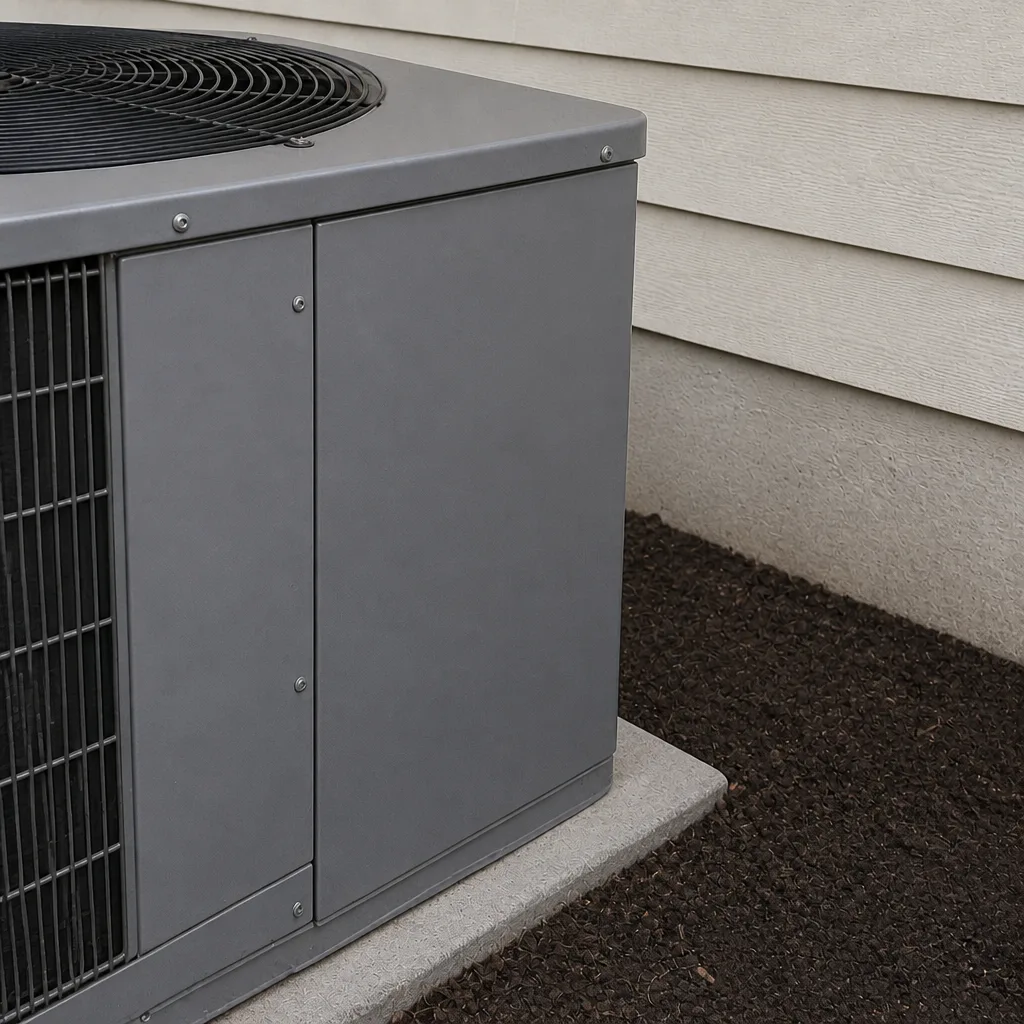
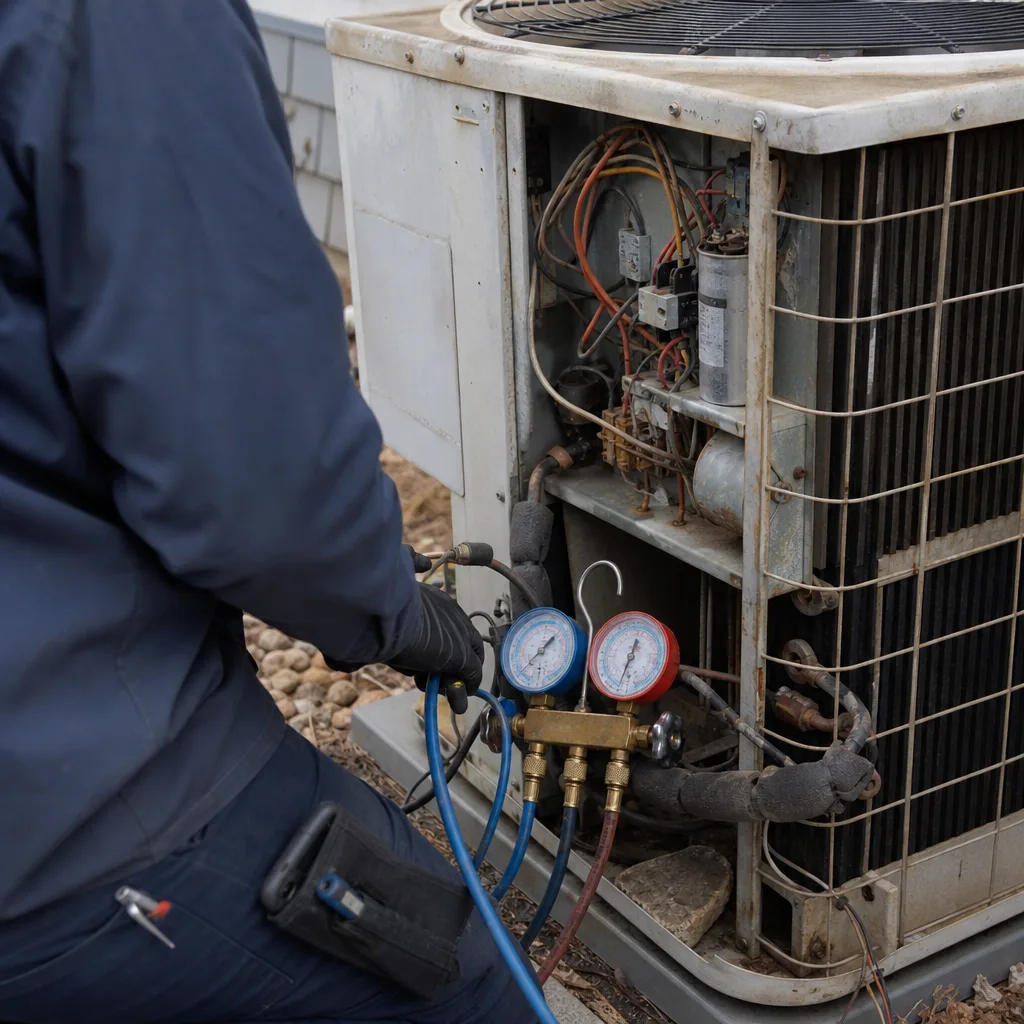
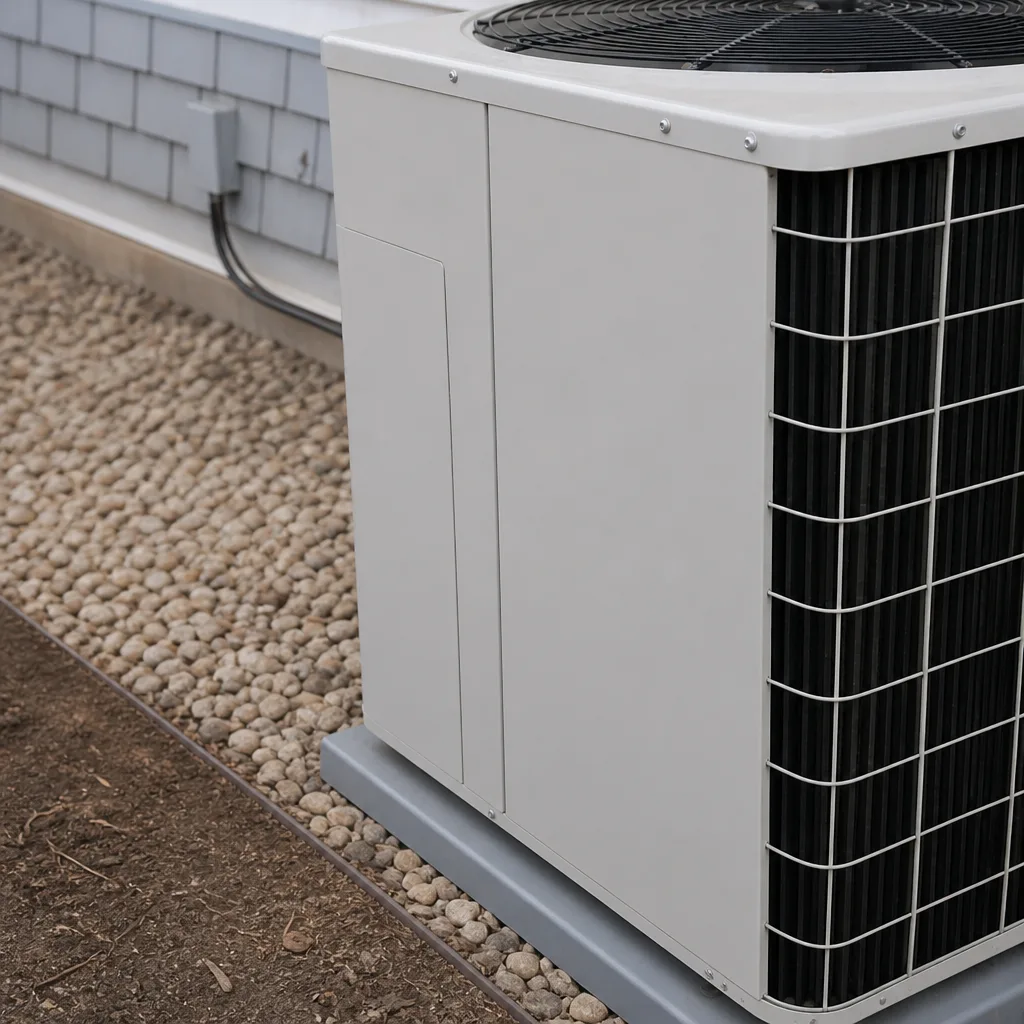
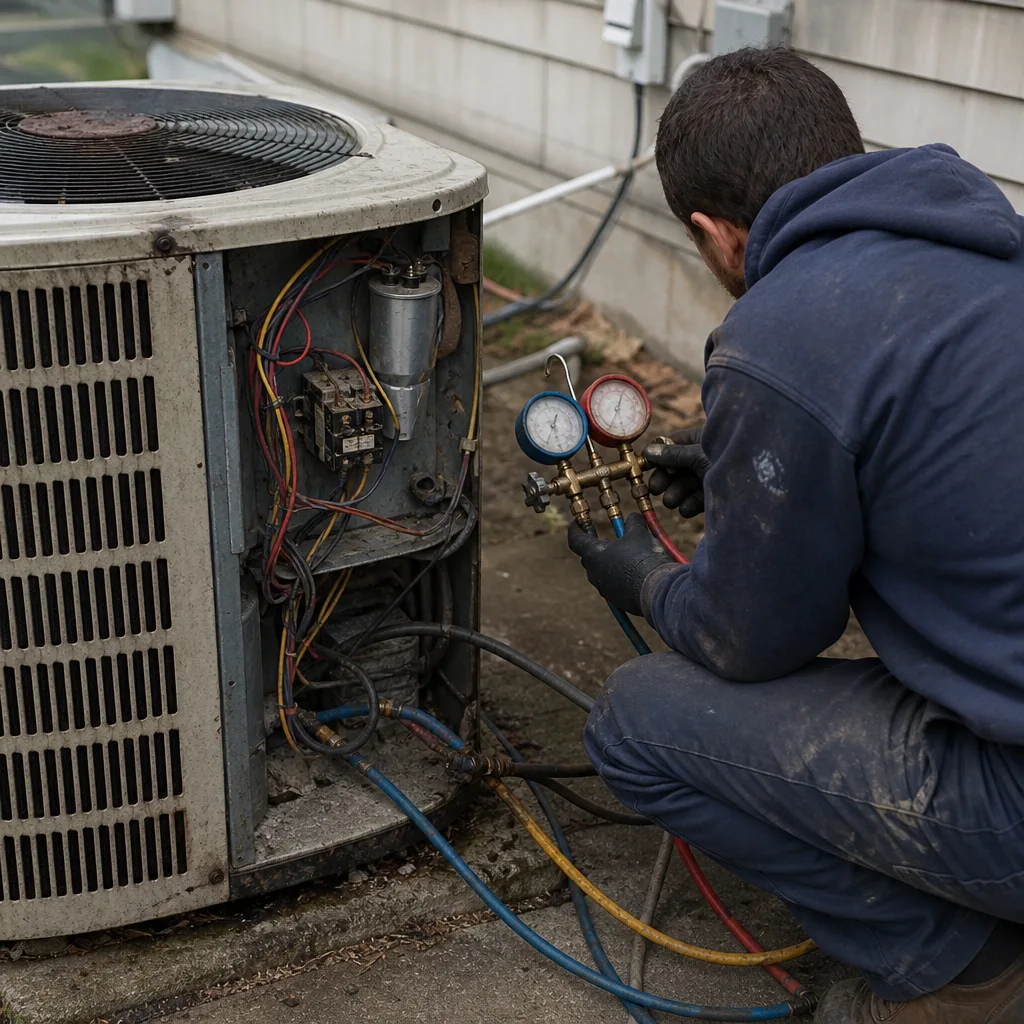
See the difference
 Before
 After
 Before
 After
 Before
 After
When to Call a Professional
If you’re planning a replacement, an add-on system, a change from standard to high-efficiency equipment, or any work that touches venting or combustion air, call before the work starts. If you’re buying or selling a home and the permit history is unclear, call before the purchase contract moves forward. If an inspector has flagged a deficiency on a system someone else installed, call before the re-inspection – the fix needs to match what the inspector asked for, not the next available solution. And if you’re not sure whether a repair crosses into permitted territory, ask. Lockhart AC Repair offers free estimates in Salt Lake City – call (855) 473-8712. We answer 24/7. Fast dispatch from 7am to 7pm, Sunday through Friday.
Frequently Asked Questions
Yes. A full furnace replacement in Salt Lake City requires a mechanical permit before the work begins, even when the new unit is the same size and sits in the same spot. The permit covers venting, combustion air, gas connections, electrical, and clearances, and the final inspection is what closes it out.
You can submit an owner-builder permit for a home you own and live in, but that route puts full code responsibility on you, the homeowner. If a licensed contractor is doing the work, the contractor should pull the permit – insurers and inspectors both expect it, and a homeowner-pulled permit in a contractor’s name creates a record mismatch. Call (855) 473-8712 to talk through your job.
Simple residential replacement permits in Salt Lake City often move through quickly once the application and plans are complete, while larger jobs, system conversions, or work that needs plan review take longer. Turnaround varies with workload and season, so build a buffer into any schedule that depends on inspection timing. For a job with a hard date, call (855) 473-8712 and we’ll walk through the permit timeline with you.
The risk sits with the homeowner, not the contractor. Unpermitted work can trigger a stop-work order, a retroactive permit and re-inspection, and it can complicate an insurance claim on the equipment or block a real estate closing. Utah sellers are also required to disclose known unpermitted work to buyers, which means the paperwork follows the property. Call (855) 473-8712 if you suspect unpermitted work and want a professional assessment.
Yes. Replacing an air conditioner or condenser in Salt Lake City requires a mechanical permit, and inspections cover the refrigerant piping, electrical disconnect, equipment pad, and condensate handling. Straight repairs like a capacitor or blower motor swap usually don’t need one; replacement does. Call (855) 473-8712 for a free estimate on your project.
Salt Lake City inspectors verify that the installed equipment matches the approved submittal and that venting, combustion air, clearances, gas connections, electrical, and condensate drainage meet the Utah Mechanical Code. The two most common failure points in local homes are exhaust termination height above grade and a missing condensate drain trap. Our team can review the code plan before install so your inspection passes first time – call (855) 473-8712.
The Bottom Line
An HVAC permit in Salt Lake City is not a formality. It’s the document that proves the equipment was installed to code, protects you from an insurance claim argument down the road, and stays with the house when you sell. The permit coverage crosses the jurisdictional line between the city and Salt Lake County, so verify which department holds the address. The most common inspection failures – exhaust termination height, missing condensate trap, combustion air miscalculation – all come from building to spec on paper rather than to what the code actually requires. One call covers your furnace and your AC, from first estimate through final inspection. If you’re planning a project and want the permit and the install handled in one pass, Lockhart AC Repair is ready. Call (855) 473-8712 for a free estimate.
Written by the team at Lockhart AC Repair.