
Last updated November 15, 2026
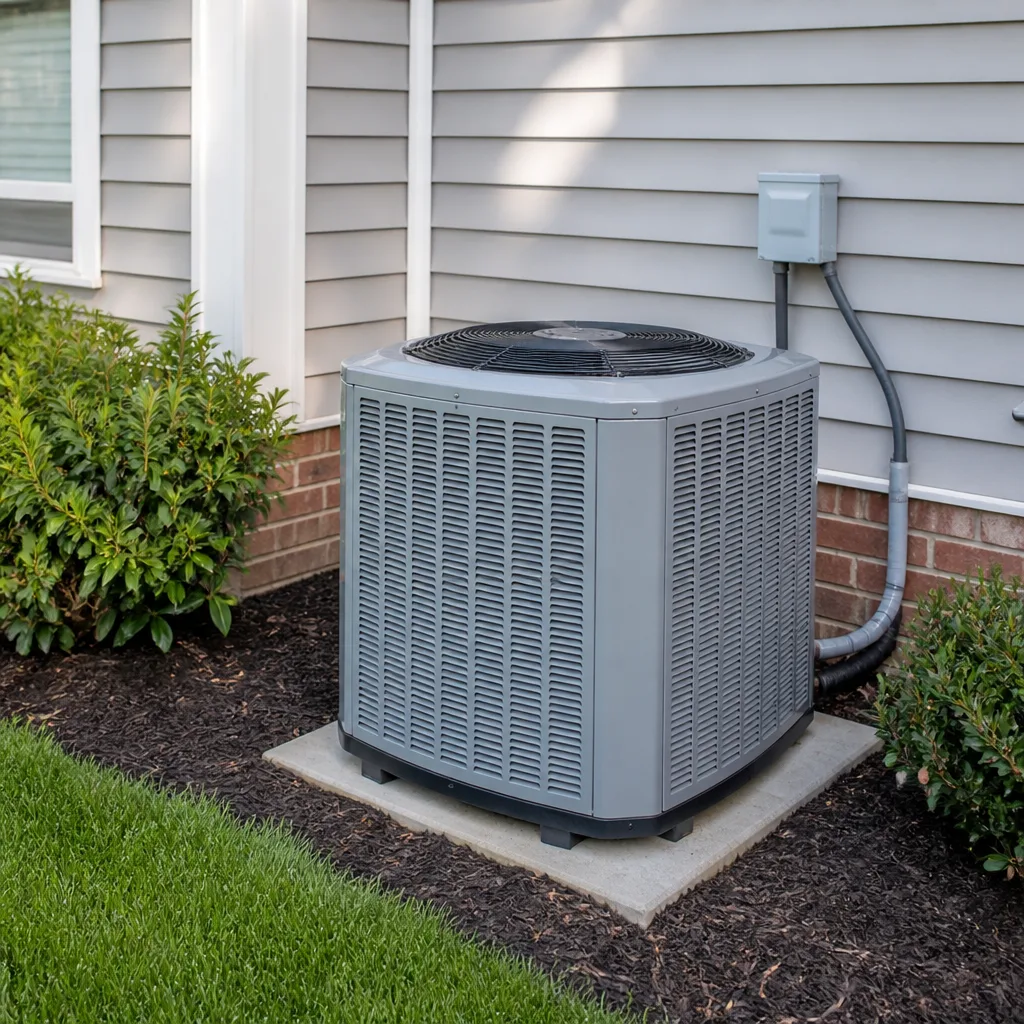 AC repair
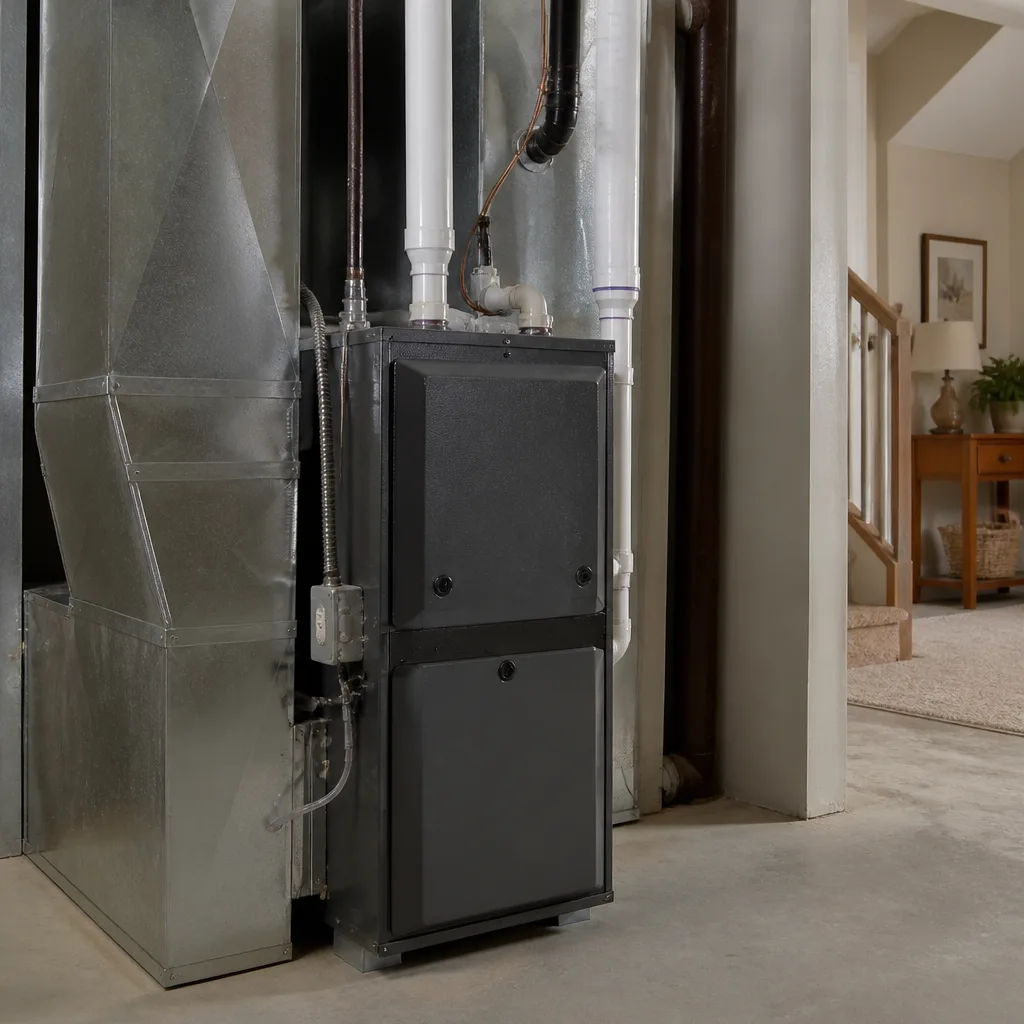 Furnace & heating
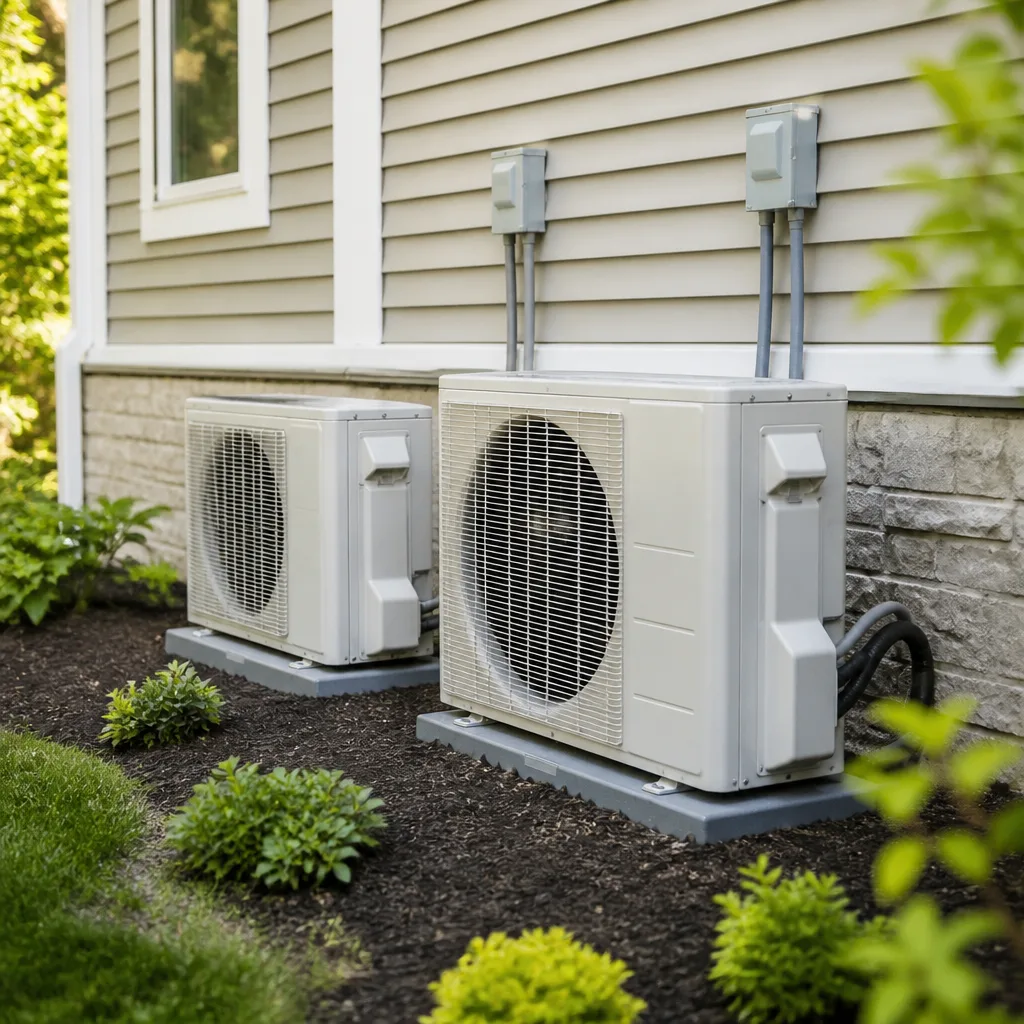 Heat pumps
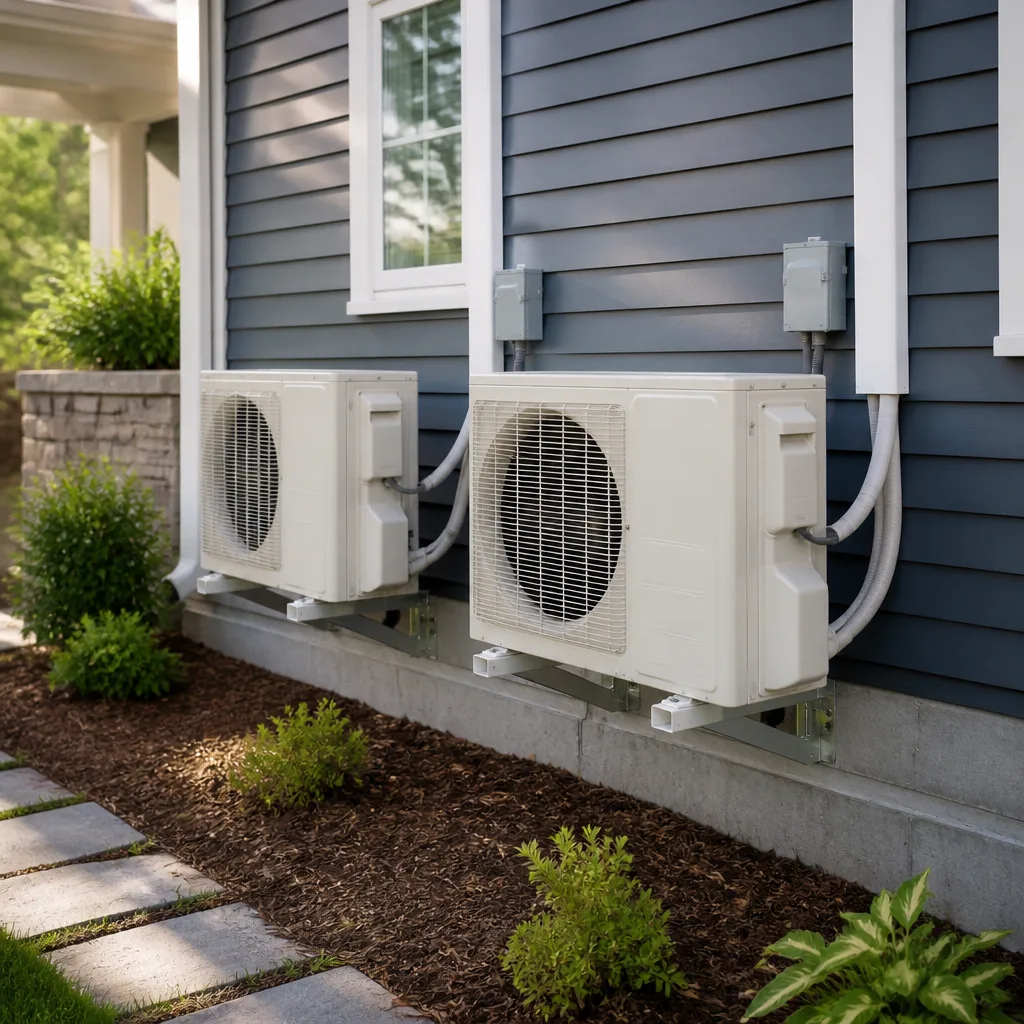 Ductless mini splits
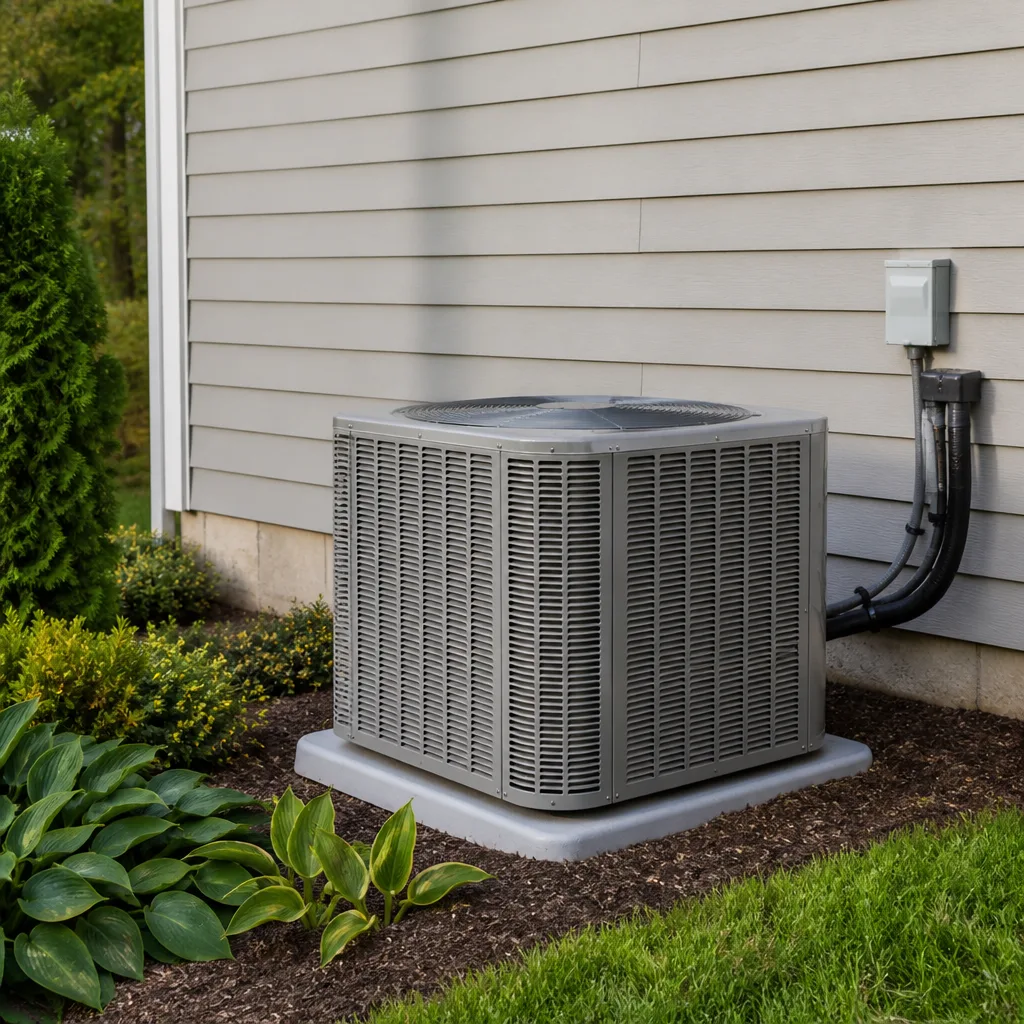 Carrier
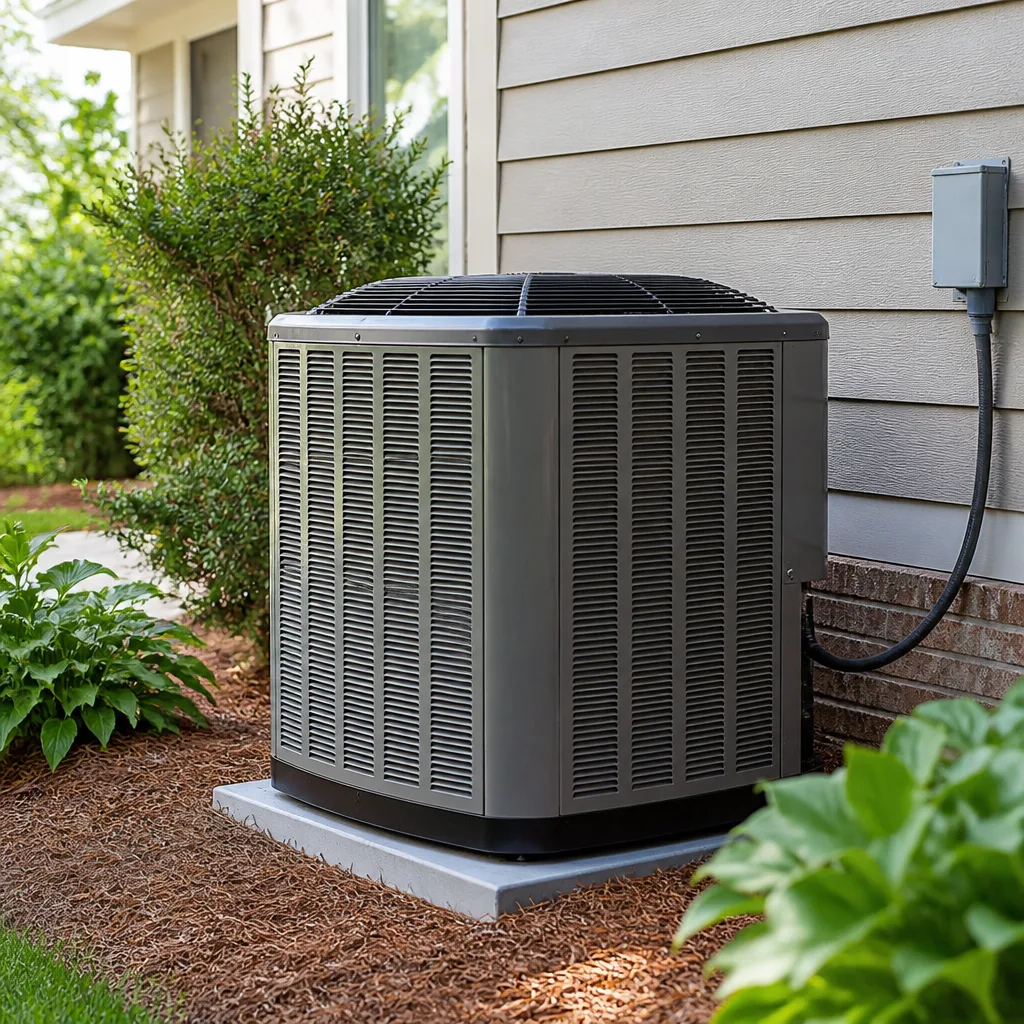 Trane
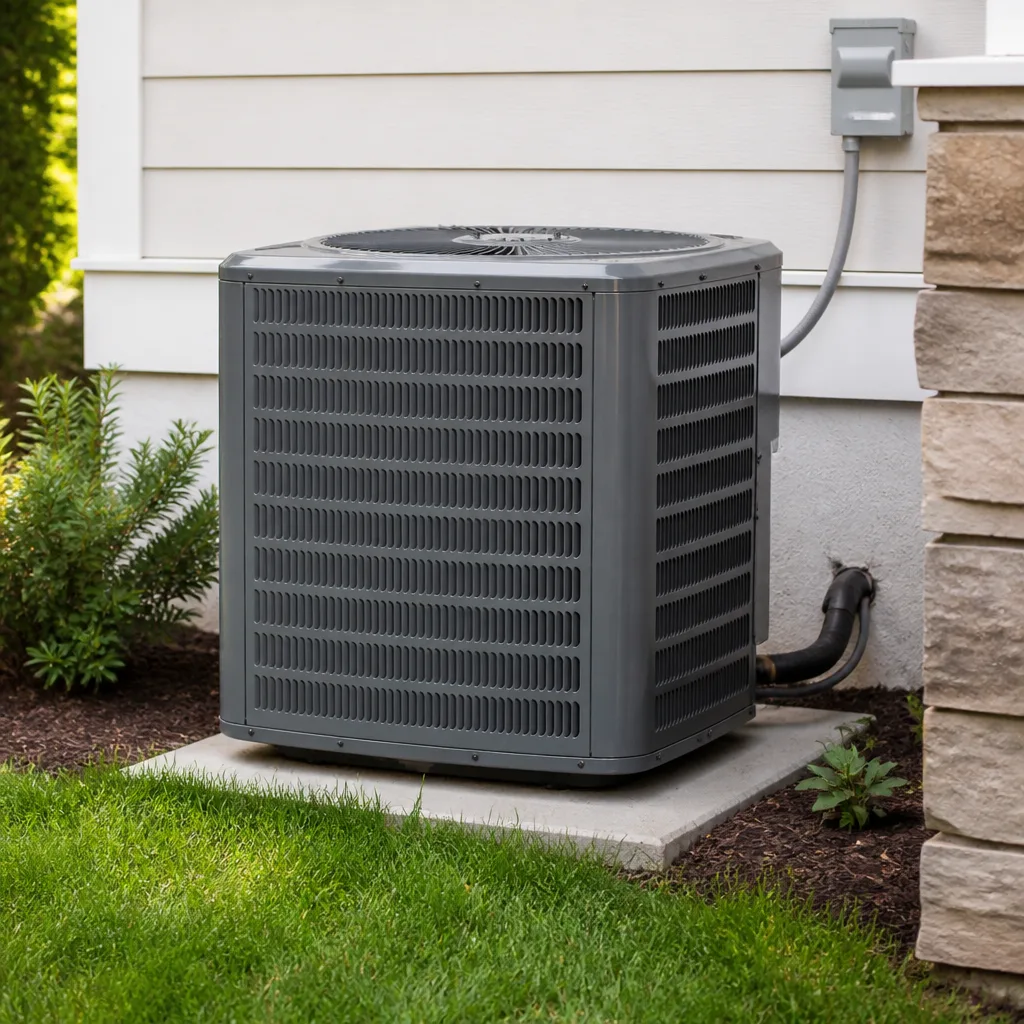 Goodman
Seasonal tune-up and full diagnostic on your Carrier, Trane, or Goodman system - readings shown to you before any repair is proposed
Diagnosis first, numbers second - you approve the repair price before a single part goes in.
Get your free estimateHVAC Warning Signs: A Salt Lake City Homeowner’s Reference Guide
A short-cycling furnace in Phoenix is usually a dirty flame sensor. A short-cycling furnace in Salt Lake City is just as likely to be an inducer motor straining against the negative pressure inside a tightly air-sealed home. Same symptom. Different fix. That gap between “what the system is doing” and “what’s actually causing it here” is where most online HVAC checklists fall short. They tell you to watch for strange noises and high bills without telling you which noises point to which parts in this climate. This guide does. You’ll learn how Salt Lake City’s dry air, hard water, altitude, and winter inversion layer each push different components toward failure, and how to describe what you’re seeing so your technician arrives with a head start.
Quick Answer
The warning signs that matter most for an HVAC system in Salt Lake City are short cycling, rising gas or electric bills without a usage change, odd odors that peak on inversion days, ice forming on the outdoor AC unit in June, and any smell of exhaust or scorched wiring. Most of these come from a handful of causes that show up again and again in this valley: low indoor humidity drying out components, hard water clogging humidifiers and condensate lines, altitude stressing combustion settings, and a tightly built house masking airflow problems. Caught early, most of these are repairs. Ignored, several of them cascade into full equipment failure.
Styles & brands we work with
- AC repair
- Furnace & heating
- Heat pumps
- Ductless mini splits
- Carrier
- Trane
- Goodman
Table of Contents
- Why HVAC Warning Signs Look Different in Salt Lake City
- The Low-Humidity Problem: What Dry Air Breaks First
- Odors During Inversion Season: What Your System Is Recirculating
- Ice on the AC Coil in June: Why It Happens Here
- Reading the Signals on Your Brand: Codes and Alerts
- Hard Water Warning Signs: Scale, Not Sludge
- Shut It Down Now vs. Schedule a Service Call
- Altitude and Combustion: A Warning Sign Unique to This Valley
Why HVAC Warning Signs Look Different in Salt Lake City
An HVAC system in the Salt Lake Valley works harder than the same equipment installed in a milder climate, and it does so in ways the manufacturer’s generic maintenance guide doesn’t fully account for. Heating season is long. Cooling season is short but intense, with wide swings between afternoon heat and cool nights. The air is dry most of the year, and the valley’s geography traps winter particulates in the inversion layer. Meanwhile much of the housing stock is newer and tightly built, which is good for efficiency and hard on airflow.
Here’s what that combination means in practice:
- Dried-out components fail earlier. Belts, bearings, gaskets, and rubber seals lose resilience faster in low humidity. An inducer motor bearing that would run quietly for years in a humid climate can start to whine sooner here.
- Combustion is tuned to altitude, not sea level. Salt Lake City sits around 4,300 feet, and a furnace that isn’t set up for thinner air can run rich, soot up, or trip a pressure switch.
- Airflow problems hide behind tight construction. A well-sealed house is efficient on paper but can starve a furnace of return air, raising static pressure and shortening the life of the blower and inducer.
- Hard water is everywhere. Humidifiers and condensate systems in Salt Lake City homes build mineral scale far faster than in areas with softer water.
None of this means your equipment is doomed. It means the specific symptoms you should watch for are a little different here. Learning them makes a real difference when you’re describing a problem over the phone or deciding whether to shut the system off.
The Low-Humidity Problem: What Dry Air Breaks First
Salt Lake City’s indoor humidity sits low for much of the year, and while homeowners feel the dry skin and static shocks, the HVAC system feels it too. Three failure modes come up again and again because of how dry this valley gets.
Cracked heat exchangers. Heat exchangers cycle hot and cold thousands of times over their life. Dry air doesn’t cause the crack directly, but the thermal stress combined with the pressure changes in a tight house adds up. A cracked heat exchanger is a safety concern, not just a performance one, because combustion gases can enter the living space. This is one of the few warning signs we treat as urgent by default.
Dried inducer motor bearings. The inducer motor pulls combustion gases out of the furnace. Its bearings rely on lubrication that evaporates faster in low humidity. The early sign is a high-pitched whine or a rumble at startup that fades after a minute. Left alone, the motor seizes and the furnace locks out entirely.
Static charge buildup on control boards. Very low indoor humidity lets static electricity build on carpets, furniture, and anything else that rubs together. That static can discharge into a control board and damage it. You can’t see this happen, but the symptom is a board that fails without an obvious cause and sometimes behaves erratically before it goes.
The fix for the first two is maintenance and early repair. The fix for the third is keeping indoor humidity in a reasonable range and calling when a board starts behaving strangely. If your system is brand-agnostic in your home and you’re not sure what’s installed, that’s a good reason to have the equipment identified once. We service nearly any brand behind a locked panel, from a York furnace to a Bryant air handler, so specifics like these get addressed rather than waved off.
Odors During Inversion Season: What Your System Is Recirculating
Salt Lake’s winter inversions trap cold air and particulates in the valley for days at a stretch. Furnaces and air handlers are cycling during that same period, drawing air across coils and filters and recirculating it through the house. If you notice a smell that ramps up during an inversion and fades once the weather turns over, the system itself is probably working correctly. The odor is a sign that something is hanging onto what the system is pulling in.
The most common culprits we see in Salt Lake City homes:
- Loaded filters. A filter doing its job in heavy particulate weeks can fill up fast. A clogged filter forces the blower to work harder and lets more odor through because air finds its way around the filter rather than through it.
- A dirty evaporator coil. Particulates that make it past the filter end up on the indoor coil. On damp-cooling days, that becomes a musty smell the system spreads through every room.
- Standing condensate. A condensate line that drains slowly leaves a film behind, and that film smells. In Salt Lake City’s dry air the standing water might not fill a pan, but it can still be enough to stink.
- Dust on the heat exchanger itself. Dust settles on the exchanger during the off-season, then burns off on the first heating cycle. This is normal the first time. If it happens repeatedly, the system isn’t getting proper airflow.
Any odor that smells like exhaust, gas, or scorched plastic needs attention right away. The earthy or dusty smells that peak during inversion season usually point to maintenance. That’s a scheduled call, not a panic.
Ice on the AC Coil in June: Why It Happens Here
Seeing frost on the outdoor unit in the middle of June sounds like a contradiction. In Salt Lake City, it’s not. Low humidity lets the coil cool past the point where moisture would normally re-evaporate, so ice forms even when it’s 95 degrees outside. The ice you’re seeing is almost never caused by low humidity alone, though. It’s caused by restricted airflow or low refrigerant, and dry air just makes the visible result worse.
Here’s how to tell what you’re looking at:
- Ice on the thin copper line only, going into the house. That’s usually low refrigerant charge. The system has a leak somewhere and needs to be tested and sealed, not just topped off.
- Ice across the whole coil, outdoor unit frosting over. That’s almost always restricted airflow. A dirty filter, a blocked return, or a dirty indoor coil will do it. Start with the filter.
- Ice that appears and disappears on its own. That can be the system short-cycling on its low-pressure switch, which is a protection mechanism kicking in. A short cycle itself is a symptom, not a fix. Have it looked at before it hard-fails.
One thing to know: continuing to run the system while it’s iced over will eventually damage the compressor. That’s the expensive part. When you see ice on the outdoor unit in Salt Lake City in June, shut the cooling off, let the ice melt, and have a technician take a look. It’s an easy fix caught early and a very expensive one caught late.
Reading the Signals on Your Brand: Codes and Alerts
Every modern HVAC system tries to tell you what’s wrong. The problem is that different brands speak different dialects. A homeowner reading the panel on a Trane system might see a specific flash code, while a Lennox system might show a display code or nothing at all until a thermostat app pushes an alert. If you can read the code and describe it accurately, your technician can often bring the right part on the first visit. If a shop needs to guess, that’s a call back and another day without heat or cooling.
Where alert codes usually show up:
- On the control board inside the furnace or air handler – a blinking LED that counts out a sequence. The number of blinks maps to a fault the manufacturer publishes in the service manual.
- On a communicating thermostat – brands like Daikin and American Standard put alerts directly on the screen in many modern installs. The message is often a plain-English description or a numbered alert.
- On a brand app – higher-tier systems like Bryant and Lennox smart thermostats can push “check system” alerts through the manufacturer app.
Common alert categories to recognize: ignition lockout, pressure switch open, high-limit trip, low-pressure or freeze protection on cooling, blower or inducer fault, and communication fault between the thermostat and the board. Some of these are one-off events (a pressure switch trips because the flue is briefly blocked). Others will recur until something is fixed.
What matters is this: the code is a starting point, not a diagnosis. The same ignition lockout code can mean a dirty flame sensor, a bad ignitor, or a gas valve issue. The same high-limit trip can come from a clogged filter or a failing blower. That’s why we note which brands the system is, but we still test before we replace. It’s also why we’re set up to work on the system you actually own – nine major brands, from Carrier and Trane through Goodman, Rheem, and York – rather than the one brand we prefer to install.
Hard Water Warning Signs: Scale, Not Sludge
Salt Lake City’s water is famously mineral-rich. That matters to your HVAC system in two places: the whole-home humidifier and the condensate drain. Neither is usually what a homeowner thinks of when they picture an HVAC problem, and both fail from scale buildup faster here than in most of the country.
The difference between scale and organic clogs matters because the fixes are different:
- Scale is white, chalky, or crusty. It builds on the humidifier pad, the water distribution tray, and inside the humidifier’s solenoid valve. If you can crunch it between your fingers, it’s mineral scale.
- Organic clogs are dark, slimy, or fuzzy. They happen in the condensate drain and the drain pan, usually when standing water sits long enough to grow algae or mold.
Signs your system has hard-water trouble:
- The humidifier pad turns stiff and crusts over well before the season ends.
- White deposits form around the humidifier’s water inlet or the solenoid valve body.
- The drain pan holds a slow pool instead of draining freely (a sign the line is scaling shut).
- The condensate drain line drips slowly, gurgles, or backs up during cooling season.
- You notice a low humming from the humidifier when it’s running, which can mean the valve is fighting scale.
If you suspect scale rather than a clog, mention it when you call. A technician who knows what they’re looking for clears and tests it in one visit instead of returning with parts after diagnosing the wrong problem.
Shut It Down Now vs. Schedule a Service Call
Not every warning sign is a five-alarm issue, and not every warning sign is safe to ride out. Knowing which is which protects your equipment and your family. These are the ones we treat as immediate shutdowns:
- Any smell of exhaust or combustion gases in the house. Shut off the furnace at the thermostat (or the gas valve if you know where it is), open windows, and get out of the house if the smell is strong or anyone feels lightheaded. Call for service immediately. Do not fire the system back up to see if the smell repeats.
- A carbon monoxide alarm going off. Same response as above. Treat the alarm as real.
- Burning or scorched-wiring smell. Even if the system is still running, shut it down. That smell points to an electrical fault in the blower, control board, or wiring, and running it risks a fire.
- Ice across the outdoor AC unit in summer. Shut off the cooling at the thermostat and let it thaw. Compressor damage from running an iced coil is expensive.
- Water actively pouring from the indoor unit. Shut it off to prevent water damage to the ceiling, walls, or flooring below the air handler.
- Loud mechanical banging, scraping, or metal-on-metal sounds. That’s likely the blower hitting something or a broken part inside. Shut down. Running it causes cascading damage.
And these are the ones you can schedule as a normal service call:
- Short cycling that’s been getting more frequent over weeks.
- Rising utility bills without a usage change.
- Odors that peak on inversion days and fade after.
- A humidifier that’s stopped humidifying.
- A thermostat that’s slow to respond or occasionally reads wrong.
- Moderate squeaking, rattling, or humming while the system otherwise runs normally.
The line between these two lists matters. Every warning sign that stays on the “schedule it” side long enough eventually moves to the “shut it down” side.
Altitude and Combustion: A Warning Sign Unique to This Valley
Salt Lake City sits at roughly 4,300 feet above sea level, and thinner air changes how a gas furnace burns. Manufacturers build most equipment to a standard elevation, and above 2,000 feet the combustion settings usually need adjustment. A furnace installed here without that adjustment runs rich, which shows up as sooting, yellow flames instead of blue ones, or a pressure switch that trips repeatedly because the inducer can’t pull enough draft. A furnace running rich is not just inefficient – it produces more carbon monoxide.
Signs your system may be altitude-adjusted improperly or losing adjustment:
- The burner flame is yellow or orange rather than a steady blue.
- Soot streaks appear near the burners or on the heat exchanger.
- The furnace starts and stops repeatedly at startup, then finally runs.
- The system smells faintly of exhaust after the weather turns colder.
Two other local patterns are worth flagging. First, hard water and dry air together age a furnace faster here than a mild climate would, so a unit that looks five years old to a national average is effectively closer to seven or eight. That changes the repair-or-replace math on any given repair. Second, Salt Lake City’s housing stock is dense in neighborhoods that were built tight during the efficiency-forward decades, and a tightly built house can hide a return-air deficiency for years before it shows up as a failed blower. Both are reasons to describe where you live when you call about a furnace problem. If you suspect you’re better served by a replacement than yet another repair, we cover furnace repair and full replacement under one team so the answer isn’t limited by what we want to sell.
Common Mistakes to Avoid
- Assuming a warning sign is “normal for the house.” A short cycle here and there is normal. A short cycle every ten minutes is not. Homeowners adapt to the noise and forget what quiet used to sound like. Write down what you’re hearing and when.
- Topping off refrigerant instead of finding the leak. Low refrigerant is a symptom, not the problem. Adding refrigerant without a leak test buys you a season and then repeats. It also hides whether the coil is failing. Ask for a leak test.
- Ignoring humidifier scale until it breaks. Salt Lake City’s water is hard enough that a neglected humidifier will scale shut. Cleaning or replacing the pad at the start of the season avoids the mid-season failure that leaves the whole house dry.
- Judging a filter by how it looks instead of by airflow. A filter that looks only half loaded can still be too restrictive for a high-efficiency system. Match the filter to the equipment, not to your best guess.
- Running the AC past iced coils. It’s the single most expensive warning-sign mistake in this valley. The compressor is the most expensive component to replace, and ice handles it faster than anything else. Shut it off when you see it.
- Replacing equipment when the fault is something small. A pressure switch that trips repeatedly might be the switch, or the inducer, or a blocked flue. Don’t let a warning sign turn into a replacement without a diagnosis. If a shop only does installs, it will default to installing. Ask what was tested, not just what was quoted.
- Not mentioning the brand when you call. “Our furnace is cycling” gets a generic visit. “Our Bryant system is cycling and showing a limit trip” gets a visit with the right parts and a real shot at one trip. In this valley, the specific brand matters less than the specific signal.
See the difference
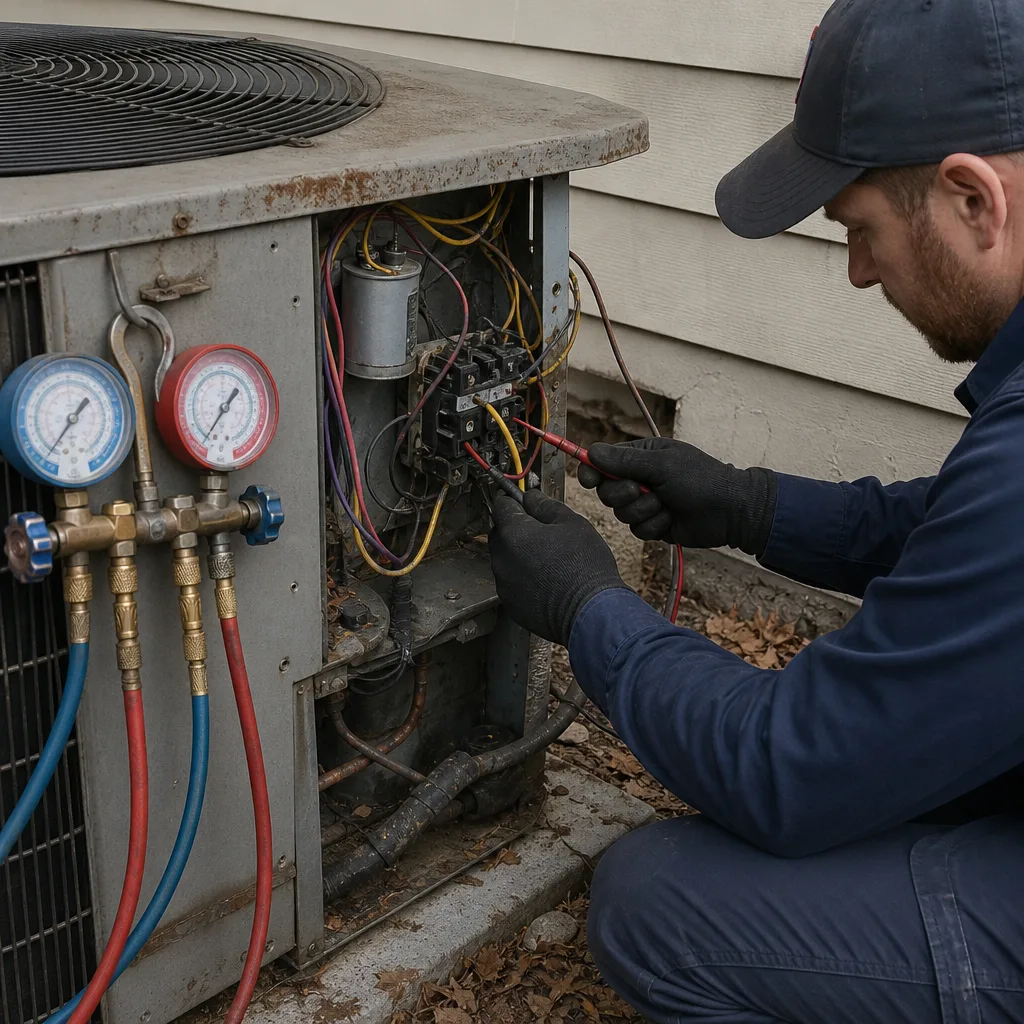 Before
 After
 Before
 After
 Before
 After
When to Call a Professional
Call if you see any of the emergency items above, if the system has been short cycling for more than a few days, if your bills jumped and the weather hasn’t, if a humidifier has stopped performing, or if you can’t tell whether what you’re hearing is a small problem or a big one. Also call if the last repair was a bandage on a symptom you didn’t fully understand. The goal is a trained person crawling under the panel before something fails outright. Salt Lake City sees enough cold snaps and heat waves that a system in decline tends to pick the worst time to quit. Lockhart AC Repair offers free estimates in Salt Lake City, with fault diagnosis handled brand-agnostically across Carrier, Trane, Lennox, Goodman, Rheem, York, Daikin, Bryant, and American Standard. Call (855) 473-8712. We answer 24/7. Fast dispatch from 7am to 7pm, Sunday through Friday. Our technicians have up to 15 years of experience, and we work on the system you have rather than the one we’d prefer to sell.
Frequently Asked Questions
Any smell of exhaust or combustion gas in the house is the warning sign to act on first, because it’s a safety concern, not just a performance issue. Shut the system down, open windows, and call. Distant second is ice on the outdoor AC unit in summer – it’s a shutdown sign because running a frozen compressor is the fastest way to a very expensive repair. Salt Lake City homes see this more than most, because low humidity accelerates the freeze. If you’re not sure which category your symptom falls into, call (855) 473-8712 and describe it. Estimates are free.
A Salt Lake City furnace is more likely to short cycle because of how airtight modern construction here has become combined with the dry air and altitude. Insufficient return air raises static pressure and forces the furnace to trip its high-limit switch, which shows up as short cycling. Altitude can also stress the pressure switch, and a partially clogged filter that would only mildly affect a more open house can shut a tight one down. Diagnosing which of those is the cause takes a technician on site – it’s rarely solved by swapping the thermostat. Call (855) 473-8712 to get this looked at before the heating season starts.
Yes, low indoor humidity does damage certain HVAC components here. Dried-out inducer motor bearings and evaporated lubrication on blower shafts are the two we see most often, both because the air in this valley pulls moisture out of anything it touches. Control boards are also more vulnerable in very dry homes because static charge builds up more easily. None of these are reasons to panic – they’re reasons to notice a new whine or rattle earlier than you might otherwise. Call (855) 473-8712 to schedule a diagnostic; estimates are free.
Yes. Ice on the AC coil in June is not normal even in a dry, high-altitude city, and it almost always means restricted airflow or a refrigerant leak. Turn the cooling off, let the ice melt, and call. Running the system while the coil is iced can damage the compressor and turn a simple repair into a replacement. Call (855) 473-8712 for an exact quote – estimates are free.
Look at what’s building up. White chalky crust on the pad and valve is scale from Salt Lake City’s hard water, and the fix is usually cleaning or replacing the pad and descaling the valve. Dark slimy buildup in the drain or pan is an organic clog and points to standing water. If the pad still crusts up fast after a cleaning, the solenoid valve or water distribution tray is probably scaled shut and needs replacing. Either way, mention the specific deposit when you call (855) 473-8712 – it shortens the visit. Estimates are free.
Repair usually wins when the problem is isolated and the system is otherwise healthy. Replace when the fault is structural – a cracked heat exchanger on an older furnace, or a compressor failure on an aging AC – because the repair cost approaches replacement, and cascading damage is likely. Because we handle AC installation and furnace replacement along with repair, the recommendation isn’t limited by what we want to sell. For a written estimate and a straight answer, call (855) 473-8712. We answer 24/7. Fast dispatch from 7am to 7pm, Sunday through Friday.
The Bottom Line
Salt Lake City’s climate doesn’t just make HVAC systems work harder – it changes which parts fail first. Low humidity dries out bearings and control boards. Hard water scales humidifiers and condensate lines. Altitude changes how the furnace burns. Winter inversions make any odor problem louder. Tight homes hide airflow deficiencies until a blower or high-limit switch fails. If you read this guide and recognize two or three of the symptoms in your own house, that’s enough to justify a diagnostic visit. The point is not to know exactly what’s wrong – the point is to know when to call, so a small warning sign doesn’t quietly become a replacement. If you’re in Salt Lake City and something isn’t sounding right, we work on the system you own across nine major brands, and we’ll tell you the truth about repair or replace.
Call (855) 473-8712 for a free estimate. We answer 24/7. Fast dispatch from 7am to 7pm, Sunday through Friday.
For more on our Salt Lake City service, and to explore the full range of what Lockhart AC Repair covers for homes across the valley, we’re one call away. Nine brands. One team. Whatever brand is in your home, we know it.
Written by the team at Lockhart AC Repair.